
















Bassil, Nazem, et al. "The Benefits and Risks of Testosterone Replacement Therapy: A Review." Therapeutics and Clinical Risk Management, vol. 5, 2009, pp. 427–448. https://pmc.ncbi.nlm.nih.gov/articles/PMC2701485/
When most people think of testosterone, they picture physical strength or athleticism. But the benefits of TRT extend far beyond muscular development. For men with confirmed low testosterone, testosterone replacement therapy influences everything from mood and motivation to energy, confidence and sexual function.
Keeping your testosterone levels in a healthy range is vital. Here is what the research shows TRT can do.
Key takeaways
- The benefits of TRT include improved energy, mood, muscle, bone density, focus, sleep and sexual function
- Testosterone replacement therapy benefits extend beyond the physical, including improved confidence, motivation and quality of life
- The TRAVERSE trial found TRT did not significantly increase cardiovascular risk in men with low testosterone
- TRT requires confirmed low testosterone on blood tests and is not suitable for everyone
- Most men experience very little or no side effects, and virtually all can be managed with clinical monitoring

1. Boosted energy levels
Testosterone plays a big part in keeping your energy steady throughout the day. When levels are balanced, people often feel more alert, motivated and capable of taking on daily challenges.
Low testosterone, on the other hand, is often linked to fatigue, low motivation, and reduced stamina.
2. Enhanced mood and confidence
Testosterone influences psychological wellbeing as well as physical health. Adequate levels are commonly linked to increased confidence, motivation and emotional resilience. Men with balanced testosterone often report feeling more decisive, capable and positive. Improved confidence can also have a positive impact on body image.
When testosterone dips, mood swings, irritability and even symptoms of depression can creep in. Restoring balance with testosterone replacement therapy (TRT) can help many men feel calmer, more self-assured, and emotionally stable again.
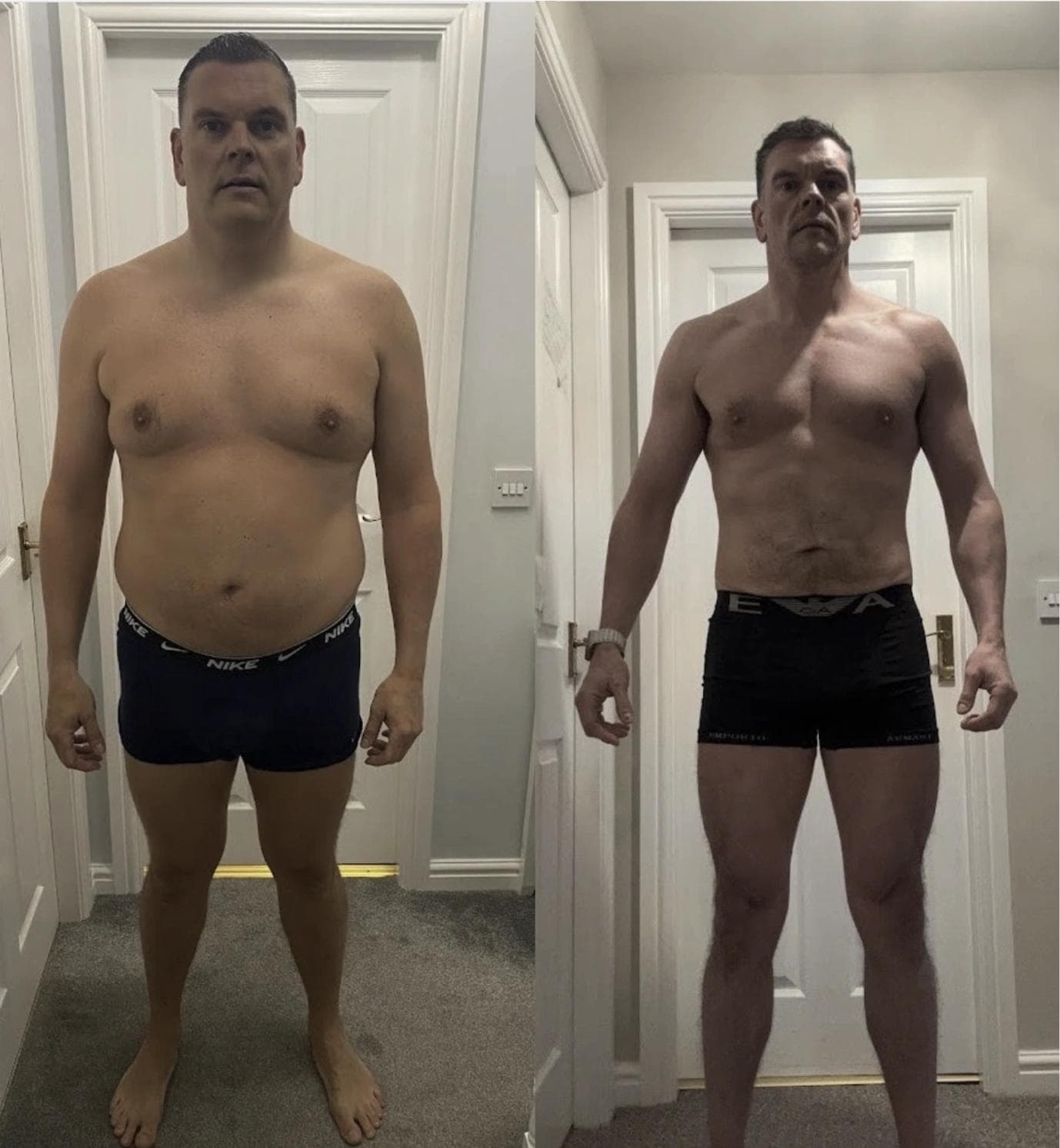
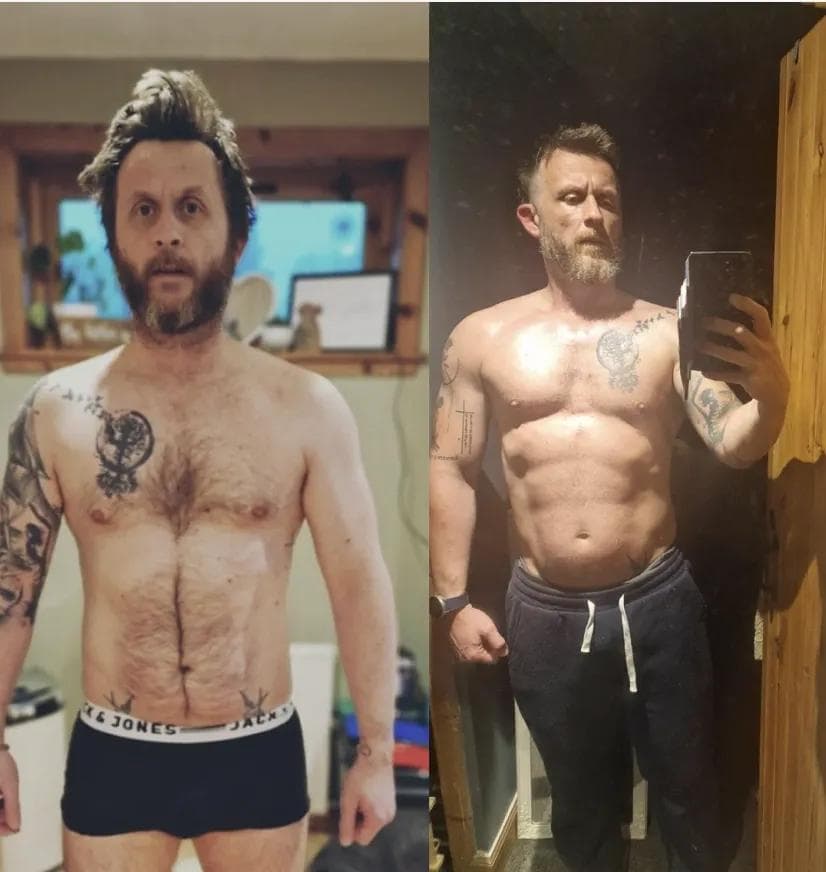
Read TRT before and after stories from men who've experienced this first-hand who have experienced this first-hand, and celebrities on TRT who've publicly shared their journeys.
3. Muscular strength and bone health
Testosterone plays a crucial role in building and preserving muscle mass. In addition to aesthetic benefits, well-developed muscles contribute to joint stability and better regulation of blood glucose, which lowers the risk of type 2 diabetes and supports cardiovascular health.
Testosterone also supports bone density, helping prevent fractures and osteoporosis, especially as hormone levels naturally decline with age.
4. Healthy weight management
There is a two-way link between testosterone and body fat: low testosterone can lead to fat gain (especially around the belly), and higher body fat can in turn lower testosterone.
By promoting muscle growth and fat loss, testosterone helps with healthy weight management, which in turn supports heart health and metabolism.
5. Sharpened focus and memory
Struggling to concentrate or noticing more “brain fog” than usual? Low testosterone might be part of the picture. Research suggests that testosterone supports critical cognitive functions, including memory, focus, and information processing.
When levels are balanced, men often report clearer thinking and improved concentration.
Feeling drained and unfocused?
It might be low testosterone. Get answers fast with an at-home blood test.
6. Better sleep
Testosterone plays a vital role in supporting healthy sleep, particularly by promoting sufficient time in both deep sleep and REM. Reduced time in these essential phases can impair cognitive recovery, emotional regulation, and your overall energy levels.
When sleep is disrupted, testosterone production can dip, creating a cycle of poor rest and low hormone levels. Prioritising good sleep can therefore have a big impact on hormonal health and overall energy.
7. Heart health
Healthy testosterone levels are linked to better cardiovascular function. The hormone helps your body produce red blood cells, which transport oxygen efficiently. It has also been associated with healthier cholesterol profiles and improved circulation.
Although research in this area is ongoing, the TRAVERSE trial, the largest randomised study of TRT cardiovascular safety to date, found that testosterone replacement therapy did not significantly increase the risk of major adverse cardiac events in men with low testosterone. Cardiovascular monitoring is still part of responsible TRT prescribing, and it is built into every Voy treatment plan.
8. Improved sexual function and erectile dysfunction
Low testosterone is one of the most commonly underdiagnosed causes of erectile dysfunction. Testosterone does not directly cause erections but it drives sexual arousal, which is the first stage of the process. Men with low testosterone often lose the desire for sex entirely, which means erections become less frequent, less rigid and shorter lasting even when the opportunity arises.
For men whose ED is linked to confirmed testosterone deficiency, TRT addresses the hormonal cause rather than just improving blood flow. PDE5 inhibitors such as sildenafil or tadalafil can also be less effective in hypogonadal men without adequate testosterone, and combining both treatments often produces better results than either alone. If you have ED and have not had your testosterone tested, it is worth doing so.
9. Longevity and quality of life
As testosterone levels naturally decline with age, some people notice drops in energy, motivation, and general wellbeing. Maintaining healthy levels can help preserve vitality, independence and mental clarity well into later life.
It is not about reversing ageing. It is about feeling strong, clear-headed, and engaged with life for as long as possible.
A stronger, sharper you
Get your energy, drive and strength back, with clinically-proven testosterone medication prescribed by expert clinicians.
Gold-standard medication
Expert clinical team
Ongoing monitoring
All-inclusive subscription
What are the risks of TRT?
TRT is a clinically proven treatment but like any medical therapy it comes with side effects worth knowing about. Common ones include acne, oily skin, fluid retention and a rise in red blood cells that can thicken the blood (erythrocytosis). TRT also affects sperm production in most men, and in some cases may worsen sleep apnoea.
The vast majority of men experience very little or no side effects, and virtually all side effects can be managed or mitigated by speaking to your doctor. This is why monitoring is central to safe TRT. At Voy, regular blood tests track key markers including haematocrit, PSA and testosterone levels, so your specialist can adjust your treatment if needed.
Is TRT right for everyone?
TRT is not suitable for all men. It is not recommended for men with prostate cancer or male breast cancer, as testosterone can stimulate hormone-sensitive tissues. It is also not a first-line option for men who are planning to start a family, as TRT suppresses the body's own sperm production. If fertility is a priority, your specialist can discuss alternatives that support testosterone levels without the same impact on sperm production.
Men with untreated severe sleep apnoea or significantly elevated red blood cell counts will also need those conditions assessed before TRT is considered. Your initial consultation and blood tests are designed to establish whether TRT is the right approach for you.
Could low T be holding you back?
Testosterone influences almost every aspect of health, from physical strength to mood, brain function, and long-term vitality. So if you are feeling drained and unfocused, low testosterone might be the culprit.
Take our short quiz to see if testosterone replacement therapy could help you get back to feeling your best.
DisclaimerAt Voy, we ensure that everything you read in our blog is medically reviewed and approved. However, the information provided is not meant to replace professional medical advice, diagnosis, or treatment. It should not be relied upon for specific medical advice.
Continue reading
- Male menopause (andropause)
- Testosterone gel for men
- Nebido injection
- How and where to inject testosterone
- Subcutaneous testosterone injections
- TRT side effects
- Is TRT safe?
- Once you start testosterone therapy, can you stop?
- Is testosterone a steroid?
- High testosterone in men
- Oestradiol levels in men
- Foods that increase testosterone
- How to increase testosterone
- Does masturbation decrease testosterone?
- Does ashwagandha increase testosterone?
- Does nicotine increase testosterone?
- TRT cost in the UK
- How to get TRT in the UK
- Men’s health stigma around low testosterone

References

Chen, W., et al. "Poor Sleep Quality and Erectile Dysfunction in Young Adult Males." Frontiers in Public Health, vol. 11, 2023, pp. 1–9.
Davidson, J. M., et al. "Effects of Androgen on Sexual Behavior in Hypogonadal Men." The Journal of Clinical Endocrinology and Metabolism, vol. 48, no. 6, 1979, pp. 955–958. https://pubmed.ncbi.nlm.nih.gov/447801/