















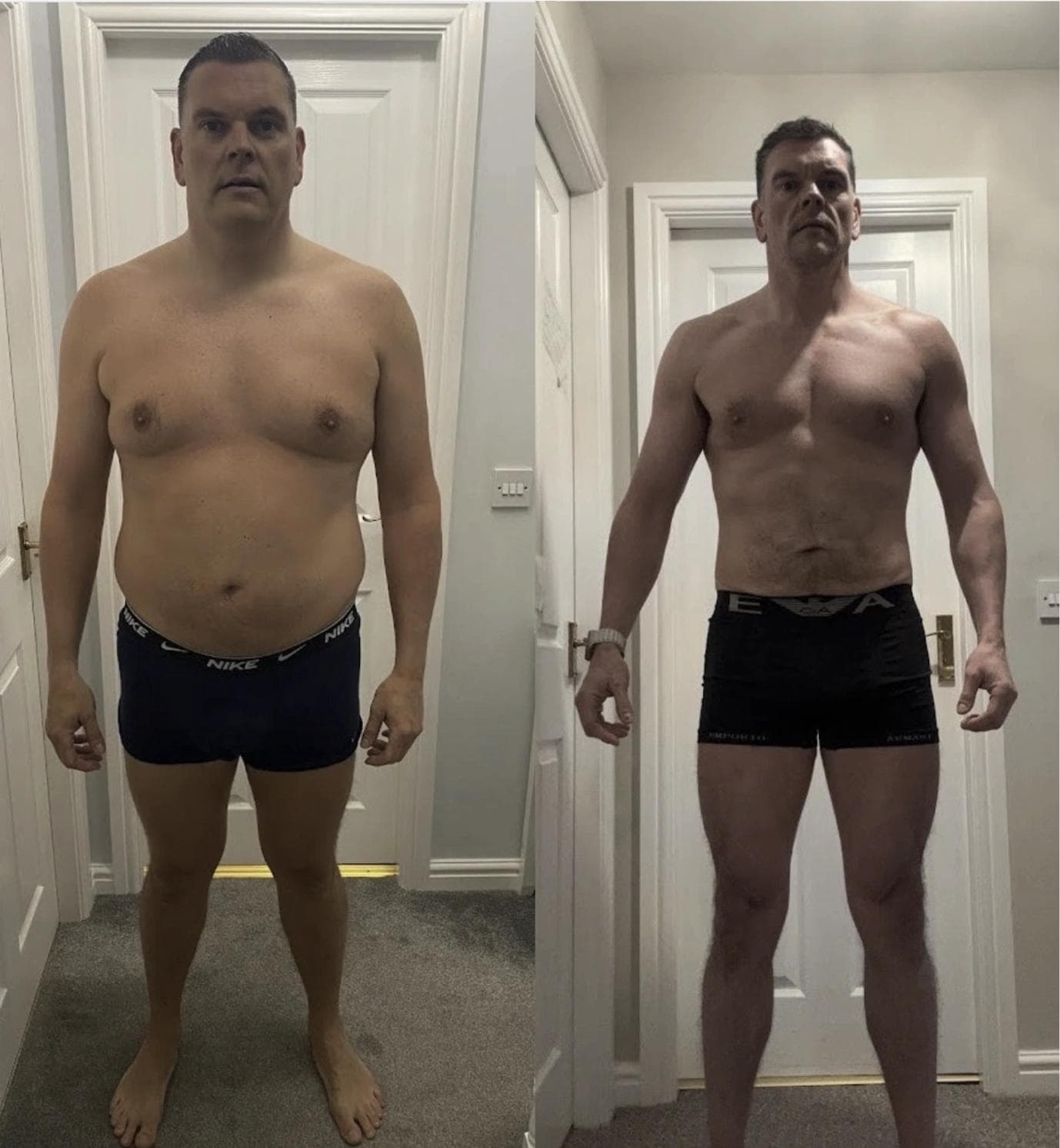
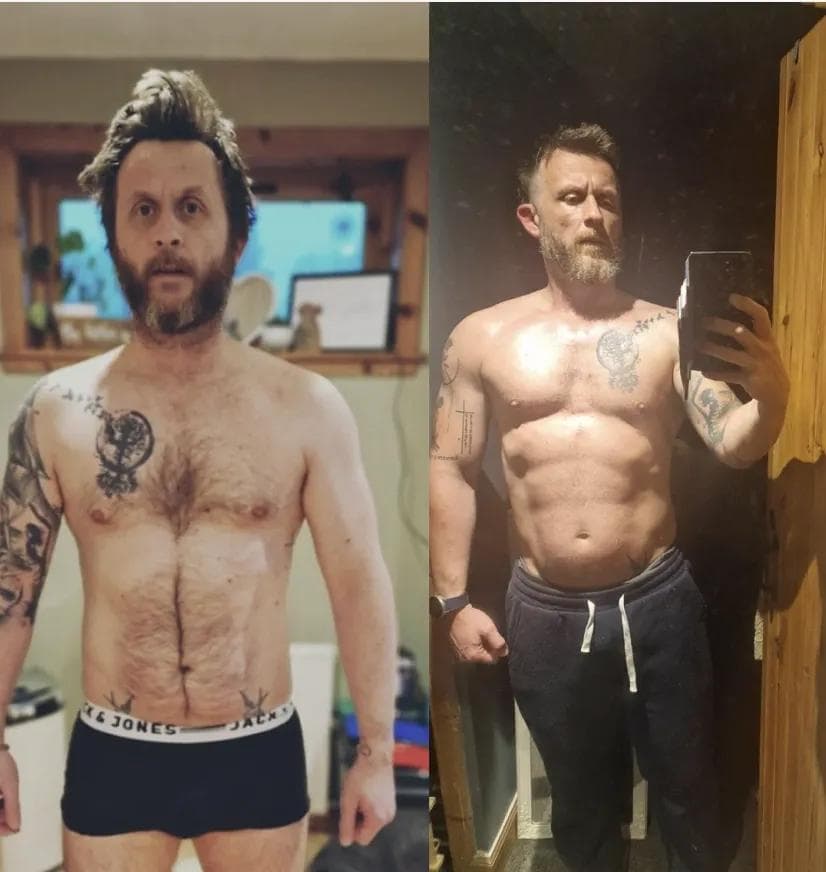


Figueiredo, Maria Gabriela et al. “Testosterone Therapy With Subcutaneous Injections: A Safe, Practical, and Reasonable Option.” The Journal of Clinical Endocrinology and Metabolism vol. 107,3 (2022): 614-626. doi:10.1210/clinem/dgab772.
If you've been prescribed testosterone replacement therapy (TRT), your clinician may recommend intramuscular (IM) testosterone injections. These deliver testosterone directly into a muscle, where it's gradually absorbed into the bloodstream.
Although giving yourself an injection can feel daunting at first, most people become much more confident after a little practice. Here’s what you need to know.
Key takeaways
- Intramuscular testosterone (IM) injections deliver testosterone into a muscle for slow, steady absorption.
- The glute and thigh are the most common injection sites.
- IM and subcutaneous testosterone injections are both effective, but the right option depends on your treatment plan, body composition and personal preference.
- Always follow the injection technique and schedule that your clinician recommends.
What is an intramuscular testosterone injection?
An intramuscular testosterone injection is a TRT injection that's given directly into a muscle rather than into the fatty tissue beneath the skin.
Injecting testosterone into muscle allows the medication to form a small depot that releases testosterone gradually into your bloodstream. This helps maintain testosterone levels until your next dose.
Several testosterone formulations can be given intramuscularly, including testosterone cypionate, Sustanon and testosterone enanthate. The type of testosterone you're prescribed affects how often you'll need injections.
Your clinician will recommend the formulation, dose and injection schedule that's most appropriate for you based on your symptoms, blood test results and treatment goals.
A stronger, sharper you
Get your energy, drive and strength back, with a tailored testosterone service plan built by leading TRT doctors.
Effective personalised medication
Access to expert clinical team
Regular health monitoring
All-inclusive subscription - no extra costs
Should testosterone be injected into muscle?
Not always. It depends on the type of testosterone in your TRT. Some testosterone medications are specifically designed for intramuscular injection, while others can be given subcutaneously (into the layer of fat beneath the skin).
It's important to use your medication exactly as prescribed. Injecting an IM preparation subcutaneously—or vice versa—may affect how the medication is absorbed.
If you're unsure which method your prescription requires, check with your clinician before giving your next injection.
Intramuscular vs subcutaneous testosterone injections
When comparing testosterone injection subcutaneous vs intramuscular, neither approach is universally better. But here are some key differences:
Intramuscular
vsSubcutaneous
Injected into muscle
vsInjected into fatty tissue beneath the skin
Often uses a longer needle
vsUsually uses a shorter, finer needle
Common sites include the glute or thigh
vsCommonly injected into the abdomen
Where is the best place to inject testosterone intramuscularly?
The best injection site depends on the medication you're using, the volume being injected and whether you're self-injecting or receiving treatment from a healthcare professional.
Thigh
We often recommend the outer thigh for intramuscular testosterone injections. Some people find it easier to reach than the glute, although it can be slightly more uncomfortable for some.
To find the correct area, divide your thigh into three equal sections from hip to knee. The injection is usually given into the outer part of the middle third of your thigh.
Glute
Some people find the glute (the muscle in your bottom) the most comfortable area to inject into, with very little discomfort during and after injecting. But it can be hard for some people to reach.
Aim to inject into the top outer corner of your buttock.
Step-by-step: How to do an intramuscular testosterone injection
These steps are intended as a general guide and should always be followed alongside the instructions you've been given by your clinician.
1. Wash your hands and prepare your equipment
Start by washing your hands thoroughly with soap and water. Gather everything you'll need, including your prescribed testosterone, syringe and needle (if required), alcohol swabs and a sharps container.
Before you begin, check that the medication is the correct one, hasn't expired and that the packaging hasn't been damaged.
2. Prepare your dose
If your testosterone isn't supplied in a pre-filled syringe, you'll need to draw up your prescribed dose before injecting. Start by checking that your syringe, needle and medication packaging are sealed and undamaged.
If you're using an ampoule, make sure all of the liquid has settled into the main chamber before opening it carefully on a clean, flat surface.
Using a sterile syringe and needle, draw up the exact dose your clinician has prescribed. Before injecting, check the syringe for any large air bubbles and gently remove them by tapping the syringe with your fingers until the air bubbles rise to the top.
If you've been shown to use one needle to draw up the medication and another to administer the injection, switch to a fresh injection needle before you're ready to inject. Keep the needle covered until you're about to use it, and avoid touching the needle or allowing it to come into contact with any surfaces.
3. Clean the injection site
Wipe the injection site with an alcohol swab and allow it to air dry. Avoid touching the cleaned area before injecting, as this can introduce bacteria onto the skin.
4. Inject the testosterone
Insert the needle into the muscle using the technique your healthcare professional has demonstrated.
Gently pull back on the plunger of the syringe to check that blood doesn’t come back into the syringe (this is called “aspirating”). If you see blood in the needle/syringe, do not inject the medicine and remove the needle immediately. Discard the medicine and try again with fresh equipment and medicine.
If there’s no blood when you aspirate, complete the injection by pushing the full dose of medication slowly into your muscle.
Then remove the needle slowly. Sometimes you might see a small drop of blood at the injection site, this is normal and nothing to be alarmed about.
Gently press an alcohol swab on the testosterone injection site.
5. Dispose of your used medication
Dispose of the used needle and syringe immediately in an approved sharps container. Never reuse needles or place them in your household rubbish.
Please note that injection training calls with our nursing team are available to support you during the initial stages of your injectable treatment plan.
How quickly does an IM testosterone injection work?
After an intramuscular testosterone injection, your testosterone levels begin to rise within hours to days. That doesn't necessarily mean you'll notice an immediate difference in how you feel, though. Testosterone affects different parts of the body at different rates, so symptom improvement tends to happen gradually over the weeks and months that follow.
Most people notice improvements in libido and sex drive within the first few weeks of treatment. Energy levels, mood and concentration may also begin to improve over this time, although everyone's response is slightly different.
Changes in muscle mass, strength and body composition typically take longer and are usually most noticeable after several months of consistent treatment, particularly when combined with regular exercise and a balanced diet.
Common side effects after an IM testosterone injection
It's normal to experience some mild discomfort after an intramuscular injection. A little soreness, tenderness or bruising around the injection site usually settles within a day or two, and some people notice mild redness or swelling immediately afterwards.
TRT itself can also cause side effects that aren't directly related to the injection.
Tips for making testosterone injections more comfortable
If you're new to self-injecting, it's completely normal to feel a little apprehensive. Many people find that injections become much easier once they've established a routine. Simple steps can help minimise discomfort, such as:
- Rotating injection sites.
- Ensuring your medicine is at room temperature.
- Letting alcohol dry completely before injecting.
- Relaxing the muscle before the injection.
- Using a new sterile needle every time.
- Asking your clinician to review your technique if your injections become painful.
When should you contact your clinician?
Seek medical advice if you experience:
- Severe or worsening pain
- Significant swelling or redness
- Fever or chills after an injection
- Pus or signs of infection
- Persistent bleeding
- A lump that doesn't improve
Regular follow-up appointments help ensure your treatment remains the right move for you.
At Voy, our clinicians provide ongoing monitoring throughout your TRT plan, so you can feel confident you're getting the most from your treatment.
Wondering if TRT might help you feel more like yourself again? The first step is an at-home testosterone blood test to check your T levels.