
















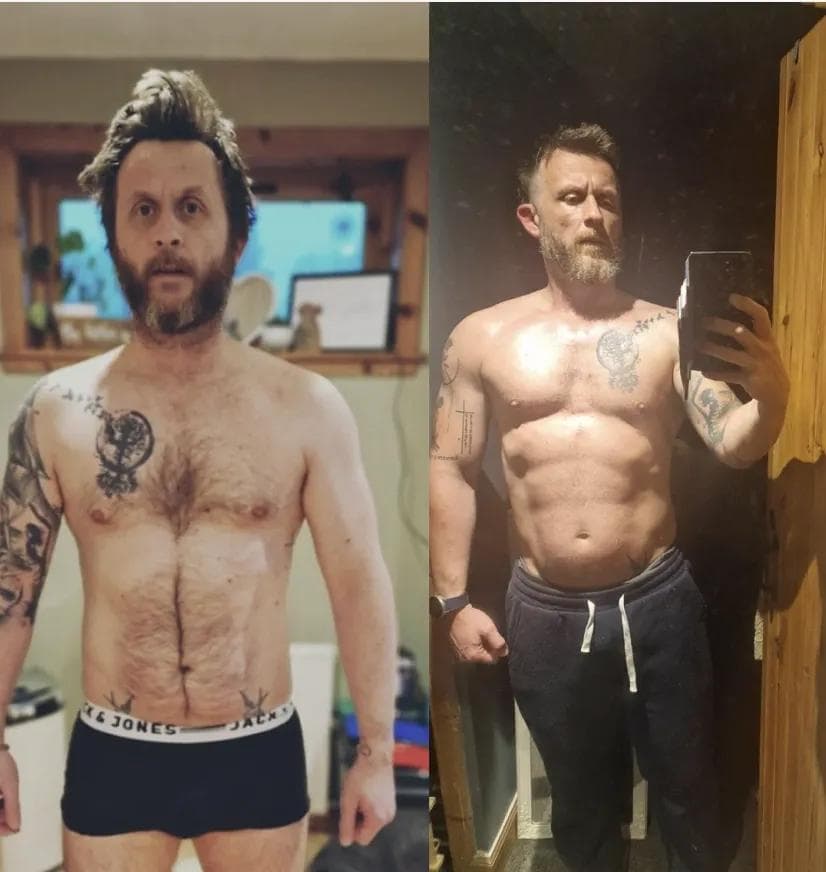


Barett-Connor, E, et al. “Bioavailable testosterone and depressed mood in older men: the Rancho Bernardo Study,” The Journal of Clinical Endocrinology and Metabolism, vol. 84, no. 2, 1999:573-577 https://pubmed.ncbi.nlm.nih.gov/10022418/
Male menopause is the informal term for the gradual decline in testosterone that affects men as they age. It is not a medical diagnosis, but the symptoms are real: low sex drive, fatigue, mood changes and weight gain are among the most common signs of low testosterone in men. Many dismiss them for years, putting them down to stress or getting older.
So is male menopause real? The term is informal, but the hormonal changes it describes are not. Read on to find out what causes it, what the symptoms are and what you can do about it.
Key takeaways
- Male menopause is not a medical term, but age-related testosterone decline, known as andropause or late-onset hypogonadism, is real
- Common symptoms include low sex drive, fatigue, low mood, night sweats and loss of muscle
- Low T can affect men at any age, not just older men
- Stress, genetics, lifestyle and underlying health conditions can all contribute to low testosterone
- Testosterone replacement therapy (TRT) can help. The first step is a blood test

What is the male menopause?
Strictly speaking, there is no male equivalent of menopause, which is when ovulation ceases and periods stop, which occurs in all women. Reproductive ageing in men is slow and gradual, with no clear transition point or defined end to fertility. Decline in testosterone levels does not necessarily affect all men.
The term male menopause, also called andropause, is not a medical diagnosis. Clinically, the condition is known as late-onset hypogonadism: an age-related decline in testosterone that, when levels fall low enough, causes symptoms affecting sex drive, energy, mood and body composition. If confirmed, it can be treated with testosterone replacement therapy (TRT).
The term "male menopause" persists because it is easy to understand. Most people are already familiar with the menopause in women, making it a useful shorthand even if it is not clinically precise.
What age does male menopause start?
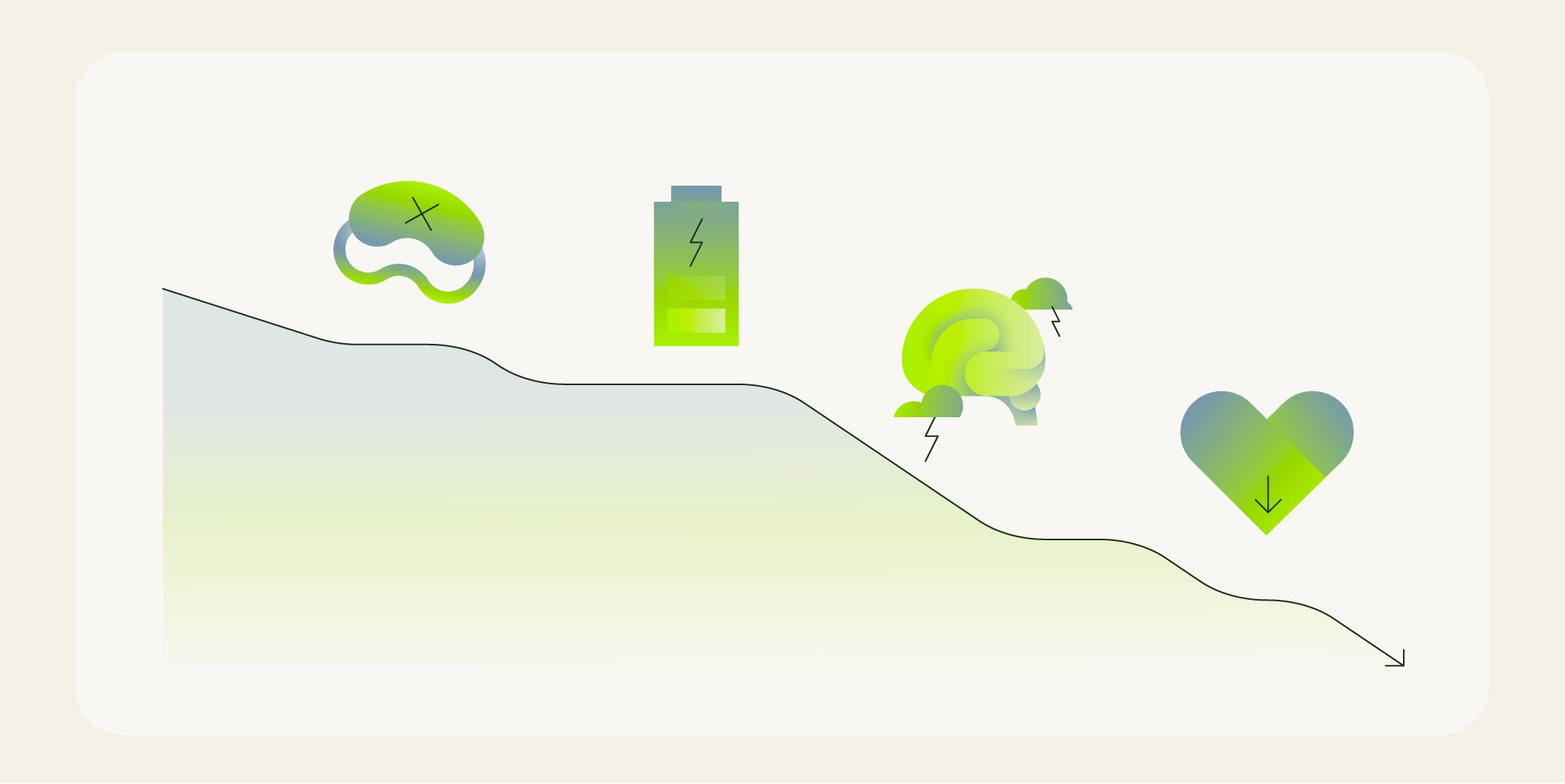
Your testosterone levels peak when you are 19 and then gradually start to decline from age 30, at a rate of about 1% per year. That does not necessarily mean you will experience low T symptoms, but some men do get symptoms in their late 40s and early 50s. Low T can also affect younger men.
How long does male menopause last?
Declining testosterone is an ongoing process rather than a fixed period, so there is no set point at which it stops. Left untreated, low T symptoms can persist and cause longer-term problems including reduced bone density and loss of muscle mass.
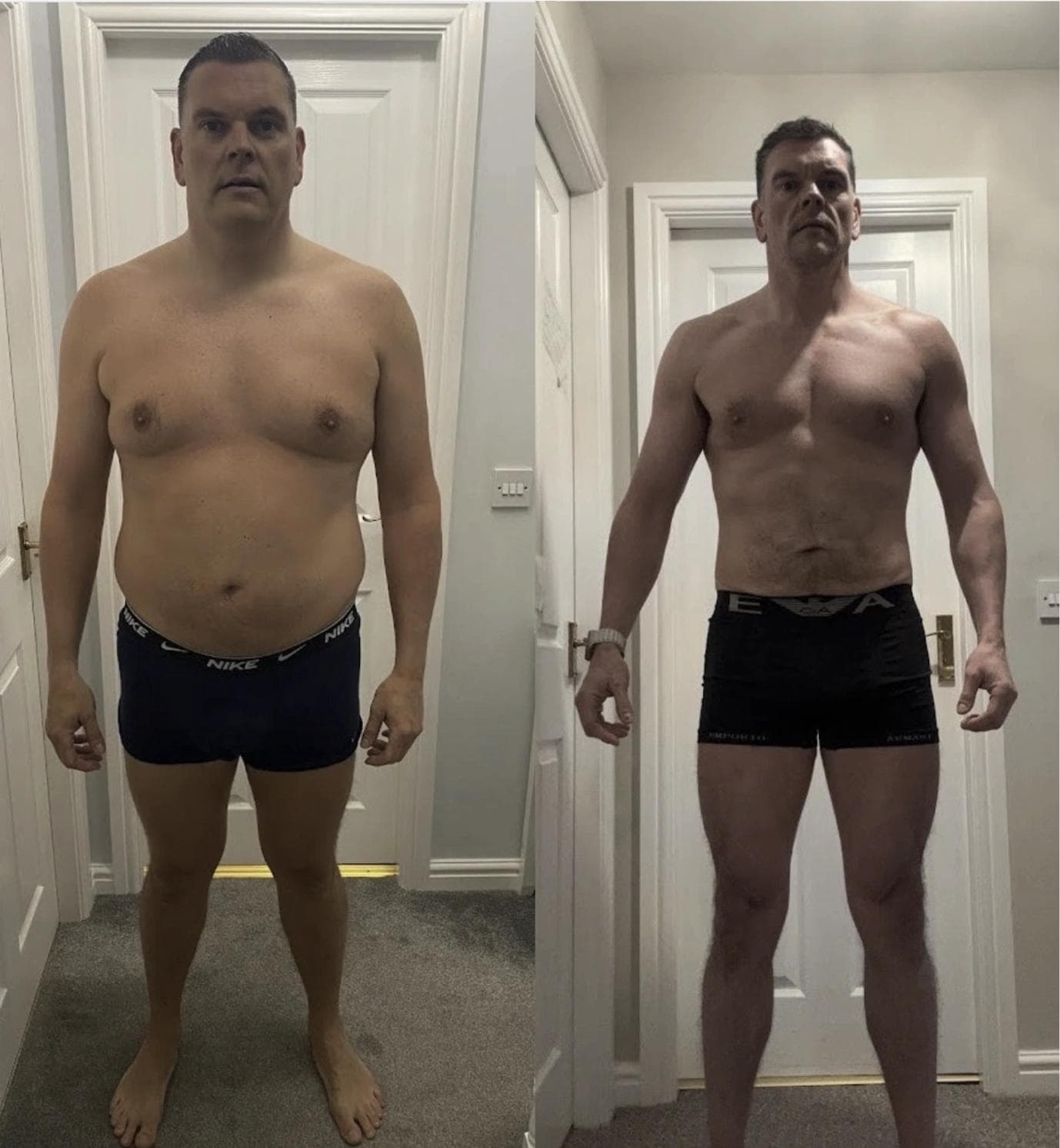
Some people see benefits from TRT within a few weeks, including improved sex drive and quality of life. Men on TRT at Voy often report improvements in concentration and motivation alongside broader changes to their energy, relationships and confidence.
Male menopause symptoms
The symptoms of male menopause, or andropause, are caused by falling testosterone levels and can affect your sex drive, energy, mood, body composition and sleep. They tend to develop gradually, which is why many men put them down to stress or ageing rather than a hormonal cause.
Symptoms of low testosterone may include:
- Low sex drive and fewer morning erections
- Erectile dysfunction
- Persistent fatigue and low energy
- Low mood, irritability or depression
- Difficulty concentrating or brain fog
- Loss of muscle mass and strength
- Increased body fat, particularly around the waist
- Poor sleep quality
- Night sweats and hot flushes
- Reduced body and facial hair
- Gynaecomastia (enlarged breast tissue)
Not all of these symptoms point to low testosterone on their own. A blood test is the only reliable way to confirm whether declining testosterone is the cause.
A stronger, sharper you
Get your energy, drive and strength back, with a tailored testosterone service plan built by leading TRT doctors.
Effective personalised medication
Access to expert clinical team
Regular health monitoring
All-inclusive subscription - no extra costs
What causes male menopause?
Low testosterone levels can happen due to ageing, but not always as it can occur at any age.
Plenty of factors can influence testosterone, such as:
- Lifestyle: stress, poor diet, smoking, lack of sleep, alcohol
- Metabolic conditions: type 2 diabetes and obesity. This is a two-way relationship: these conditions increase your risk of low T, while low T increases your chance of developing them
- Thyroid issues
- A range of mild to moderate medical conditions such as asthma, inflammatory bowel problems, and chronic kidney disease.
- Certain medical treatments including chemotherapy, certain pain medications and some antifungal medicines
Some causes of low testosterone are reversible. Obstructive sleep apnoea, obesity and long-term use of opioid pain medications are among the most clinically significant. Treating the underlying condition first, whether that means losing weight, addressing sleep apnoea or reviewing medications with your GP, can restore testosterone levels without TRT being needed. This is why a thorough clinical assessment matters before starting any treatment.
Can stress cause low testosterone?
Yes, and the relationship runs both ways. When you are under prolonged stress, your adrenal glands release cortisol. In short bursts this is normal and necessary, but chronically high cortisol directly suppresses testosterone production by disrupting the signalling pathway between the brain and the testes.
At the same time, low testosterone itself reduces your ability to cope with stress, worsens mood and can heighten anxiety. This bidirectional link is why the symptoms of chronic stress and low testosterone are so frequently confused with each other. Both can cause fatigue, low libido, poor sleep and low mood, making it genuinely difficult to identify the root cause without testing.
Is low testosterone genetic?
Low testosterone is not purely a genetic condition, but your genes do play a role. Research has identified several gene variants that increase the risk of developing testosterone deficiency. The most significant are variants in the SHBG gene.
SHBG (sex hormone-binding globulin) is a protein that carries testosterone in the bloodstream. Around 70% of testosterone is bound to SHBG at any given time, making it unavailable for the body to use. Men with certain SHBG gene variants produce more of this protein, which reduces the amount of free, usable testosterone in circulation. One study of nearly 9,000 men found that those with three or more genetic markers for low testosterone were six and a half times more likely to develop the condition.
Some genetic conditions can also cause low testosterone directly:
- Klinefelter syndrome (XXY chromosomes): affects around 1 in 660 men and causes low testosterone due to abnormal testicular development
- Kallmann syndrome: disrupts the hormonal signalling pathway that triggers testosterone production, resulting in low testosterone and often infertility
- Noonan syndrome: primarily causes developmental and heart problems but can also cause low testosterone in men
- Prader-Willi syndrome: low testosterone occurs in around 98% of men with this condition
Genetics are not the whole picture. Lifestyle, environment and underlying health conditions all influence testosterone levels too. Poor diet, excessive alcohol, disrupted sleep and chemical exposure have all been linked to reduced testosterone regardless of genetic predisposition.
At Voy, our clinical team will work with you to get to the bottom of your symptoms. You can begin by ordering a simple at-home blood test to check your levels.
Feeling drained and unfocused?
It might be low testosterone. Get answers fast with an at-home blood test.
Male menopause treatments
If you have low T, your options include:
- Lifestyle change: regular exercise, maintaining a healthy weight, sleeping well, drinking less alcohol
- Treating any reversible underlying medical cause first, which may correct testosterone production on its own
- Testosterone replacement therapy (TRT) for confirmed deficiency
Lifestyle change is usually the first step. If symptoms do not improve, it is worth getting your testosterone checked to confirm whether low T is the cause and whether TRT is appropriate.
Check if you’re eligible for TRT with our quick, at-home finger-prick blood test.