




















El-Osta, Austen, et al. “A Cross-sectional Survey of Experiences and Outcomes of Using Testosterone Replacement Therapy in UK Men,” Translational Andrology and Urology, vol. 14, no. 5, 2025. https://tau.amegroups.org/article/view/138714/html.
It’s safe for most men to take testosterone replacement therapy (TRT). Still, there are a few things to bear in mind before starting.
For this reason, safety worries are a common reason men put off testing or treatment (see why men delay low testosterone care).
Here’s what to know about using TRT safely in the UK.
Key Takeaways
- TRT is safe for most men with confirmed low T
- Recent evidence shows that TRT doesn’t increase the risk of heart disease or prostate cancer
- If you’re planning to start a family soon, TRT may not be recommended
Who is TRT safe for?
Let’s get to it: Is testosterone therapy safe? Generally speaking, yes. TRT is safe for most men to take. In fact, celebrities on TRT have publicly demonstrated safe, long-term use under proper medical supervision.
But there are a few caveats:
- If you’re planning to have a baby in future, talk to your provider before starting TRT. That’s because TRT can suppress natural sperm production (these effects can reverse after you come off it). There are alternative low-T treatments that guidelines recommend for men who desire future fertility.
- Like all medicines, TRT can come with side effects. Your provider will weigh up the risks vs benefits when deciding to prescribe it to you.
Good to know: it was previously thought that TRT increased the risk of heart disease and prostate cancer. But recent scientific evidence has cleared that up:
- TRT doesn’t increase the risk of heart disease.
- Emerging evidence suggests that TRT does not increase prostate cancer risk.
- TRT can prevent the development of diabetes.
A stronger, sharper you
Get your energy, drive and strength back, with a tailored testosterone service plan built by leading TRT doctors.
Effective personalised medication
Access to expert clinical team
Regular health monitoring
All-inclusive subscription - no extra costs
Who should avoid TRT?
So, who should steer clear of TRT? Advice can vary depending on the type of TRT you’re taking (i.e. injection, pill, gel?). But generally, it’s a fairly short list:
- If you have or have had liver cancer.
- If you have a cancer that’s dependent on male hormones, like prostate or breast cancer.
- If you have kidney failure.
Again, your provider will confirm whether the benefits of TRT outweigh the risks for you.
Potential risks of TRT
There’s a level of risk involved when taking any medicine—even paracetamol. The main risks of TRT are:
- Increased red blood cell production. This is a side effect of TRT. If your red blood cell count goes up a lot, it can increase your risk of blood clots—which can cause serious problems like stroke or heart attack. Though this is extremely rare
- Reduced fertility. We mentioned this earlier: TRT can suppress your natural sperm production.
- Increased oestrogen. Did you know that T can be converted into oestrogen? That means that as T goes up, oestrogen can also rise. Too much oestrogen can cause symptoms like water retention.
Per a survey of 905 men, other side effects include:
- Acne (affecting 24% of men surveyed). It’s often temporary.
- Testicular shrinkage (24%). But there are treatments that can mitigate this.
- Nipple itchiness (19%)
Is TRT safe long term?
For most men, yes, testosterone therapy is safe to take long term. In fact, that’s how it’s meant to be used: if you come off TRT, your T levels will go back to what they were pre-treatment.
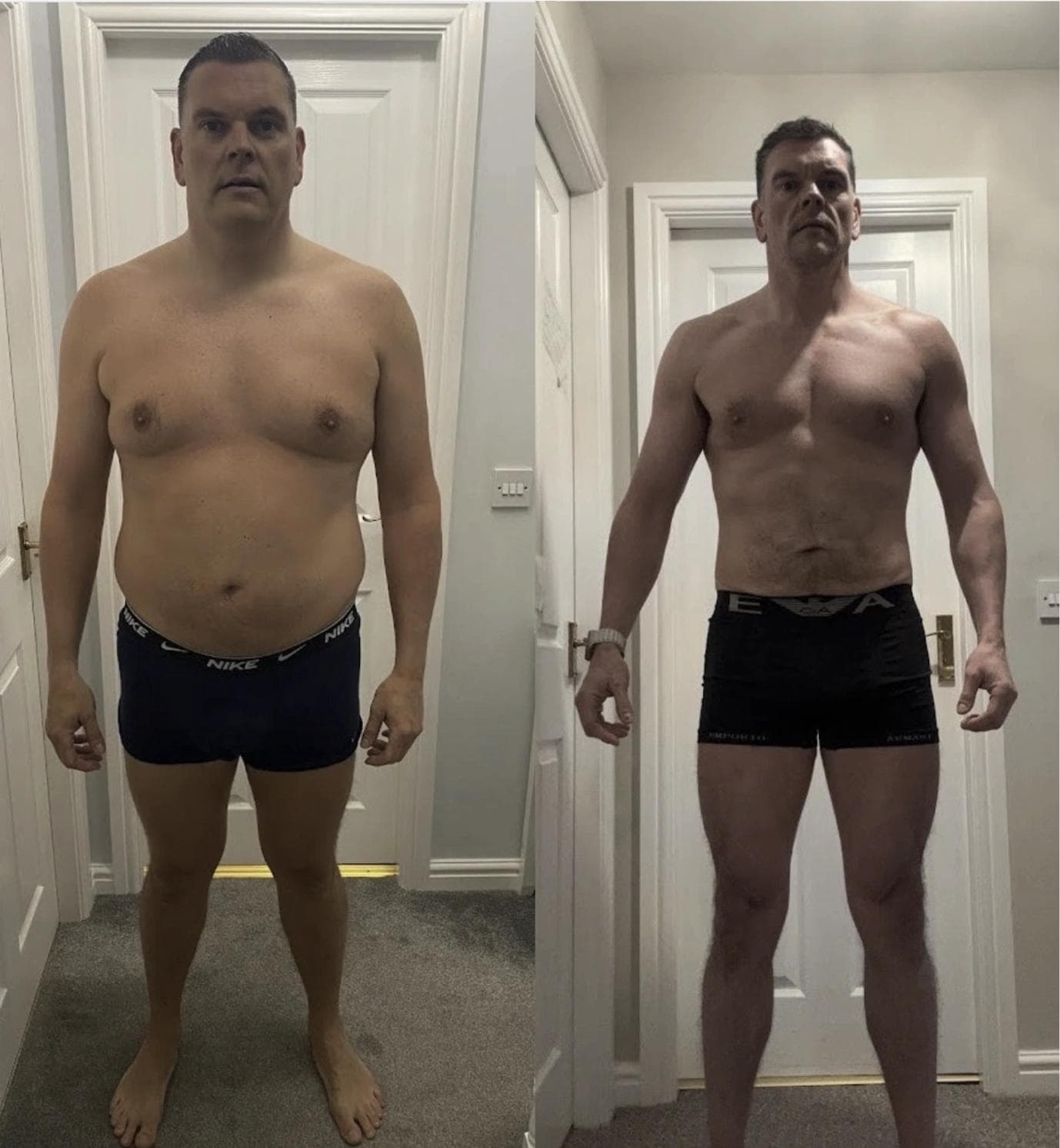
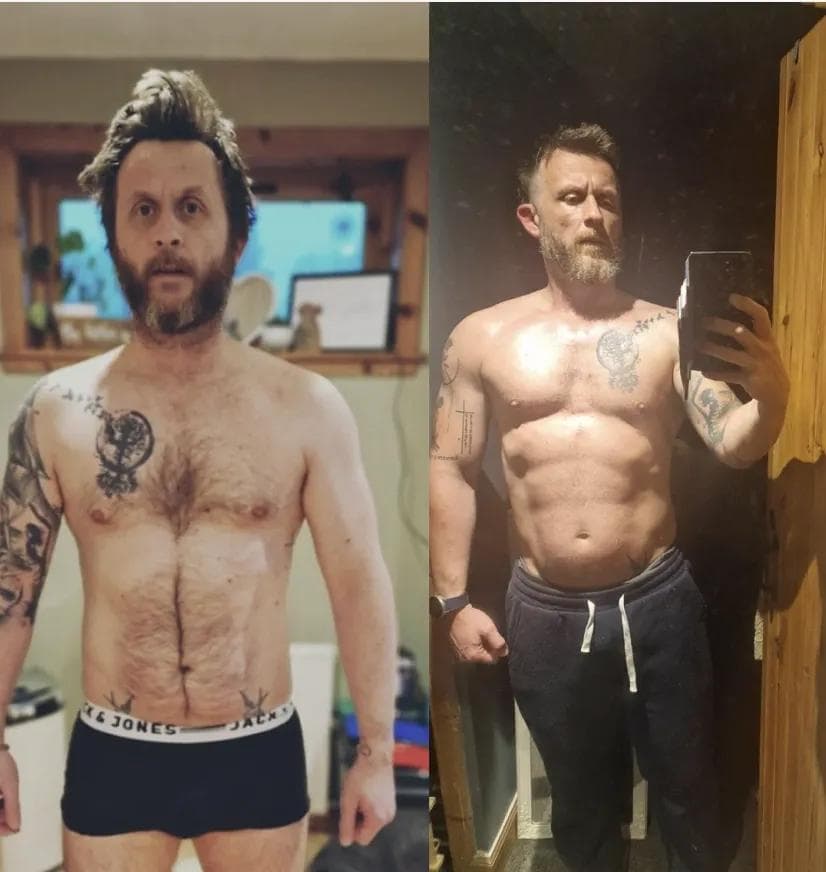
And because TRT brings your testosterone within a normal range, you might actually see health benefits from using it over time. For example, a reduced risk of diabetes and improved cholesterol, plus better strength and bone density. Read TRT before and after stories to see what that looks like for real patients.
Using testosterone safely
Here are some tips for using TRT safely.
Before starting TRT
- Make sure you’re working with a registered, qualified provider (like us!). This information should be on their website.
- Think about family planning. If there’s even a small chance you’ll want kids in the future, talk to your provider.
- Confirm that your symptoms are down to low T and not something else. Here, you’ll need to be assessed by a clinician and take a testosterone blood test.
While on TRT
- Take TRT exactly as your provider says. Using more won’t bring “better” results—you’ll only have more chance of side effects.
- Make sure you fully understand your treatment plan, including why it’s been recommended and the risk of side effects. Ask your doctor, they’ll be happy to explain.
- Check in with your doctor regularly. It’s important they monitor your progress to see how you’re responding to the medicine, especially during your first year.
- Opt for a healthy lifestyle. Exercise, diet, stress, and sleep can all affect your T levels. Living well can maximise your results.
Ready to take the leap? Get a tailored TRT programme at Voy.
Ninety percent of patients reported an improvement in symptoms within three months. Order a testosterone blood test and we’ll take it from there.