



















Basheer, Basheer, et al. “Management of Adverse Effects in Testosterone Replacement Therapy.” International Brazilian Journal of Urology, vol. 51, no. 3, 2025, e20259904. doi:10.1590/S1677-5538.IBJU.2025.9904. PubMed, https://pubmed.ncbi.nlm.nih.gov/39908204/
Testosterone cypionate is a long-acting injectable form of testosterone used in testosterone replacement therapy (TRT).
It's a synthetic testosterone ester that the body gradually converts into bioidentical testosterone, which is chemically identical to what your body produces naturally. This slow conversion brings your testosterone levels back to a healthy range, helping to address symptoms of low T, including low energy, reduced libido, low mood and decreased muscle strength.
Key Takeaways
- Testosterone cypionate is a long-acting injectable form of testosterone used in TRT.
- Most men notice early improvements within 2–10 weeks, with physical changes from around 12 weeks.
- Side effects are usually manageable with proper monitoring and dose adjustments.
- Regular blood tests are essential to keep treatment safe, effective and personalised.
- Injection frequency is typically once or twice weekly for stable hormone levels.
Is testosterone cypionate a steroid?
Yes, testosterone cypionate is a steroid, but not in the way many people think.
Medically, "steroid" refers to hormones made from cholesterol, which includes testosterone. However, testosterone cypionate used in TRT is very different from the anabolic steroids associated with bodybuilding or sports doping.
TRT uses carefully controlled doses to restore normal testosterone levels in men with clinically low T. Anabolic steroids involve much higher doses (up to 4-5 times higher) and carry serious health risks including heart problems, liver damage, and dependency.
How does testosterone cypionate work?
Once injected, testosterone cypionate is gradually converted into bioidentical testosterone, which then circulates in your bloodstream. The aim of treatment is to restore your testosterone levels to a normal, healthy range rather than exceeding natural physiological levels.
By bringing your levels back into balance, testosterone cypionate helps your body function optimally and can reverse many symptoms associated with low T.
Benefits of testosterone cypionate
When testosterone levels are restored to a healthy range, men often experience:
- Improved energy and reduced fatigue
- Increased libido and sexual function
- Better mood and reduced depressive symptoms
- Enhanced cognitive function and memory
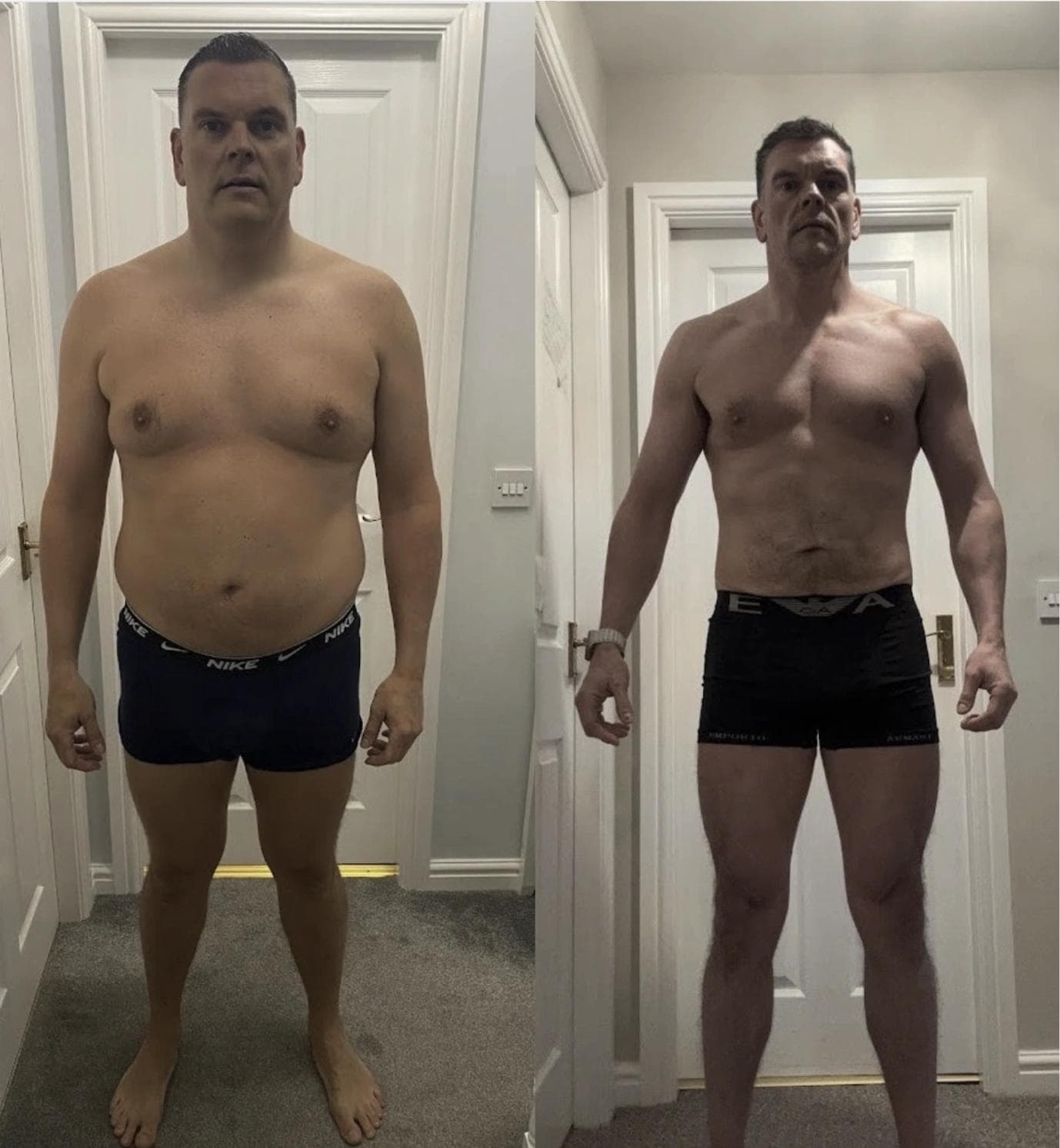
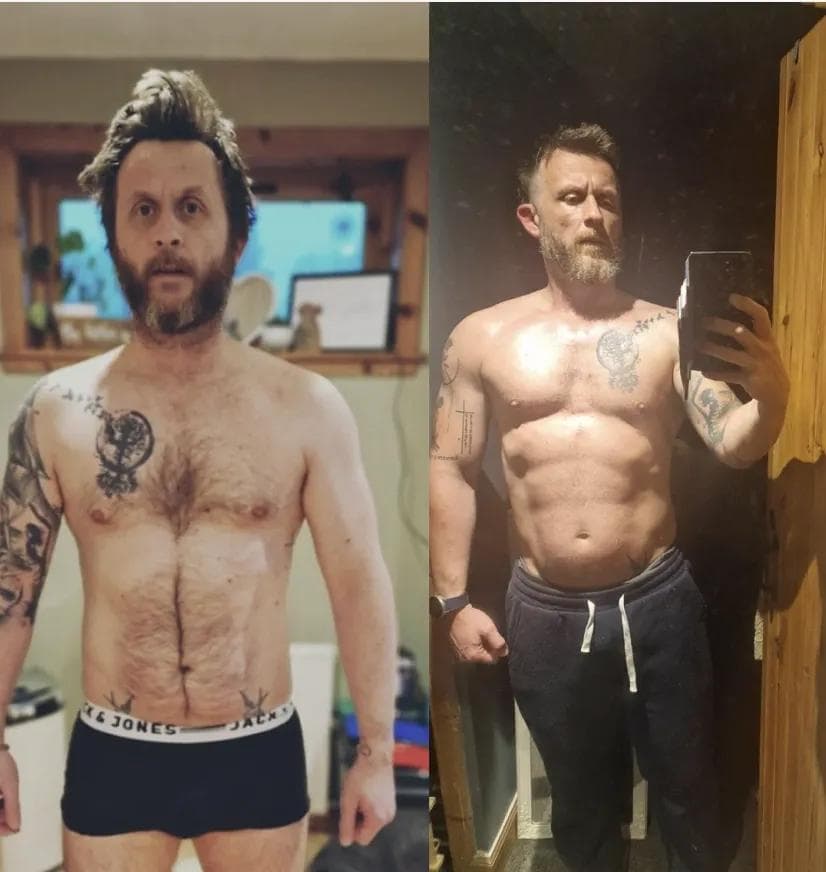
- Increased muscle mass and strength
- Improved body composition
- Better sleep quality
- Increased confidence
How long does testosterone cypionate take to work?
Most men notice effects within 2-10 weeks of starting treatment. Early improvements in mood, energy, libido, and sleep quality often occur within the first few weeks. Physical changes such as increased muscle mass and improved cognitive function typically develop from around 12 weeks onwards.
Individual response times vary based on starting testosterone levels and overall health.
A stronger, sharper you
Get your energy, drive and strength back, with a tailored testosterone service plan built by leading TRT doctors.
Effective personalised medication
Access to expert clinical team
Regular health monitoring
All-inclusive subscription - no extra costs
How effective is testosterone cypionate?
Testosterone cypionate is highly effective for men with confirmed low testosterone.
- 85% of patients report TRT as effective or very effective
- 75% report better overall quality of life
- 71% experience improved mental wellbeing
- Two-thirds see increased self-esteem, confidence, and improvements in appearance
Testosterone Cypionate side effects and risks
Like any medication, TRT can cause side effects, but most are temporary and manageable with proper monitoring and dose adjustments.
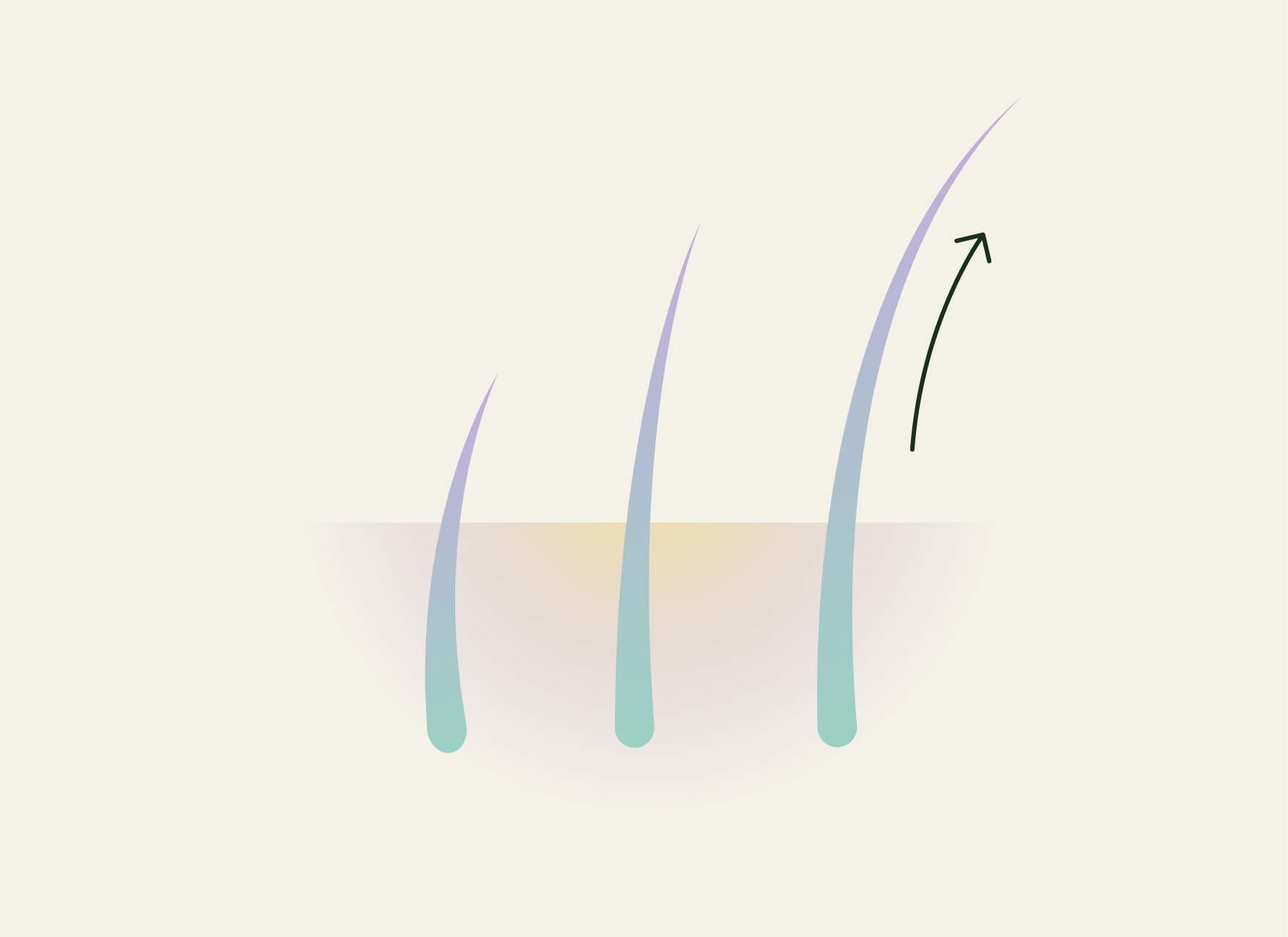
Hair changes: Testosterone naturally converts to DHT (dihydrotestosterone), the hormone responsible for male pattern baldness. As TRT increases testosterone levels, DHT can also rise, potentially making scalp hair thinning more noticeable in already genetically predisposed men, and may increase body hair. These changes can be managed through dose adjustments or DHT-blocking medications such as finasteride or dutasteride.
Skin changes: Higher testosterone levels may make the skin to be slightly more oily or acne prone. This can improve with dose adjustments. In addition, use of over the counter products containing salicylic acid and benzoyl peroxide can also help with acne management.
Injection site irritation: Mild tenderness or redness can occur. This is often technique-related and improves with proper injection training.
Increased oestrogen: Testosterone naturally converts to oestrogen in the body through a process called aromatisation. When testosterone levels increase during TRT, oestrogen levels can also rise, potentially causing unwanted side effects, such as water retention, breast tenderness, reduced libido, irritability, or fat gain. This process is also particularly sensitive to pre-existing high body fat and alcohol intake. The good news is that these effects are typically well managed with lifestyle optimisation, dose adjustments or medication
Reduced fertility: TRT can suppress sperm production and affect fertility. If fertility is important to you, considering medications such as HCG or clomifene can help support testicular function. Your doctor may recommend sperm testing or freezing before starting treatment.
Blood thickness changes: TRT can stimulate red blood cell production, which may increase blood thickness. Regular monitoring ensures this stays within safe ranges, with dose adjustments or blood donation if needed.
Dosage and monitoring
Your dosage is set individually based on blood test results and clinical consultation. It may be adjusted over time depending on how your body responds to treatment.
Regular blood tests are essential to ensure TRT remains safe and effective. Most providers will monitor you closely in the first few months with follow-up blood tests, then transition to routine monitoring every 3-6 months. This helps ensure your testosterone levels remain in a healthy range and allows your doctor to identify and address any side effects early.
Additional medications
Your doctor may prescribe additional medications alongside testosterone cypionate to optimise treatment and address any side effects:
- hCG (Human chorionic gonadotropin) to help support fertility and testicular function
- Aromatase inhibitors (Anastrozole or Exemestane) to help manage oestrogen
- Clomifene (Clomid) to help support testicular function and hormone regulation,
- Tadalafil to help with sexual symptoms
These are only recommended if appropriate for your symptoms and blood test results.
Using hCG alongside testosterone cypionate
If you're planning to have children in the future, your clinician may recommend taking hCG alongside testosterone cypionate.
TRT can switch off your body's own testosterone production, which also reduces the signals that support sperm production. hCG helps maintain testicular function. Some men also find taking hCG with their TRT helps with libido and overall mood.
Your clinician will assess your symptoms, blood test results and fertility goals to decide whether this approach is right for you, then monitor your treatment to make sure it's working safely and effectively.
TRT support at Voy
At Voy, we provide comprehensive testosterone replacement therapy support to help you restore healthy testosterone levels and feel your best.
Our service includes:
- Initial and enhanced blood tests to confirm low testosterone
- Consultations with TRT specialist doctors
- Regular monitoring blood tests throughout treatment
- Ongoing clinical support with fast response times
- Injection training with specialist nurses
- Access to additional medications if needed
- Digital-first approach for easy online management
Ready to check your testosterone levels? Take our short quiz and order an at-home finger-prick blood test to get started. Our clinicians will confirm whether you have low testosterone and if TRT is right for you.