



















“Common Questions About Finasteride,” NHS, 2023 https://www.nhs.uk/medicines/finasteride/common-questions-about-finasteride/. Accessed 27 Oct. 2025.
Here’s the thing: testosterone is related to male hair loss but it doesn’t directly cause it. What happens is that T gets converted into another hormone called DHT—and it’s DHT that makes your hair follicles shrink over time.
Here’s what to know about testosterone and hair loss.
Key Takeaways
- Hair loss is mostly genetic and not directly caused by testosterone
- But testosterone can be converted into DHT, which causes male pattern baldness
- If you’re sensitive to DHT hair loss is more likely
- TRT isn’t linked to hair loss but can increase body hair growth
High vs low testosterone: Which one causes hair loss?
Hair loss is mostly determined by your genes. In fact, twin studies estimate that genetics can account for around 80% of male hair loss.
DHT is a big part of this picture. It gradually shrinks the follicles on your head and when they completely close up, hair stops growing out of them. How much DHT your body produces, and how sensitive you are to it, is largely controlled by your genes.
Here’s where T comes in. The testosterone in your body can be either attached to proteins (bound) or roaming free. This free testosterone is active and can be put to use in your body, whereas the bound T is inactive. Free T can be converted into DHT.
Does high testosterone cause hair loss?
So, does having high or low T make a difference?
Studies show no significant link between hair loss and overall T levels. But men with hair loss might have over 50 times more DHT specifically within their hair follicles, than those without. And the more DHT receptors there are on your hair follicles, the more likely you are to experience hair loss.
In other words: it’s not about testosterone itself, but how much of it becomes DHT—and how your body responds to it.
Does low testosterone cause hair loss?
Again, there’s no evidence that testosterone levels predict hair loss from your head. But low T is associated with reduced body hair, including armpit and pubic hair, and loss of facial hair.
That’s because male hormones stimulate growth of body hair.
A stronger, sharper you
Get your energy, drive and strength back, with a tailored testosterone service plan built by leading TRT doctors.
Effective personalised medication
Access to expert clinical team
Regular health monitoring
All-inclusive subscription - no extra costs
What actually causes hair loss?
Aside from genetics, other factors can play a role in hair loss, too.
DHT: the hormone behind hair loss
As a refresher: in men, how much DHT you make and how sensitive you are to its effects are the main drivers of hair loss.
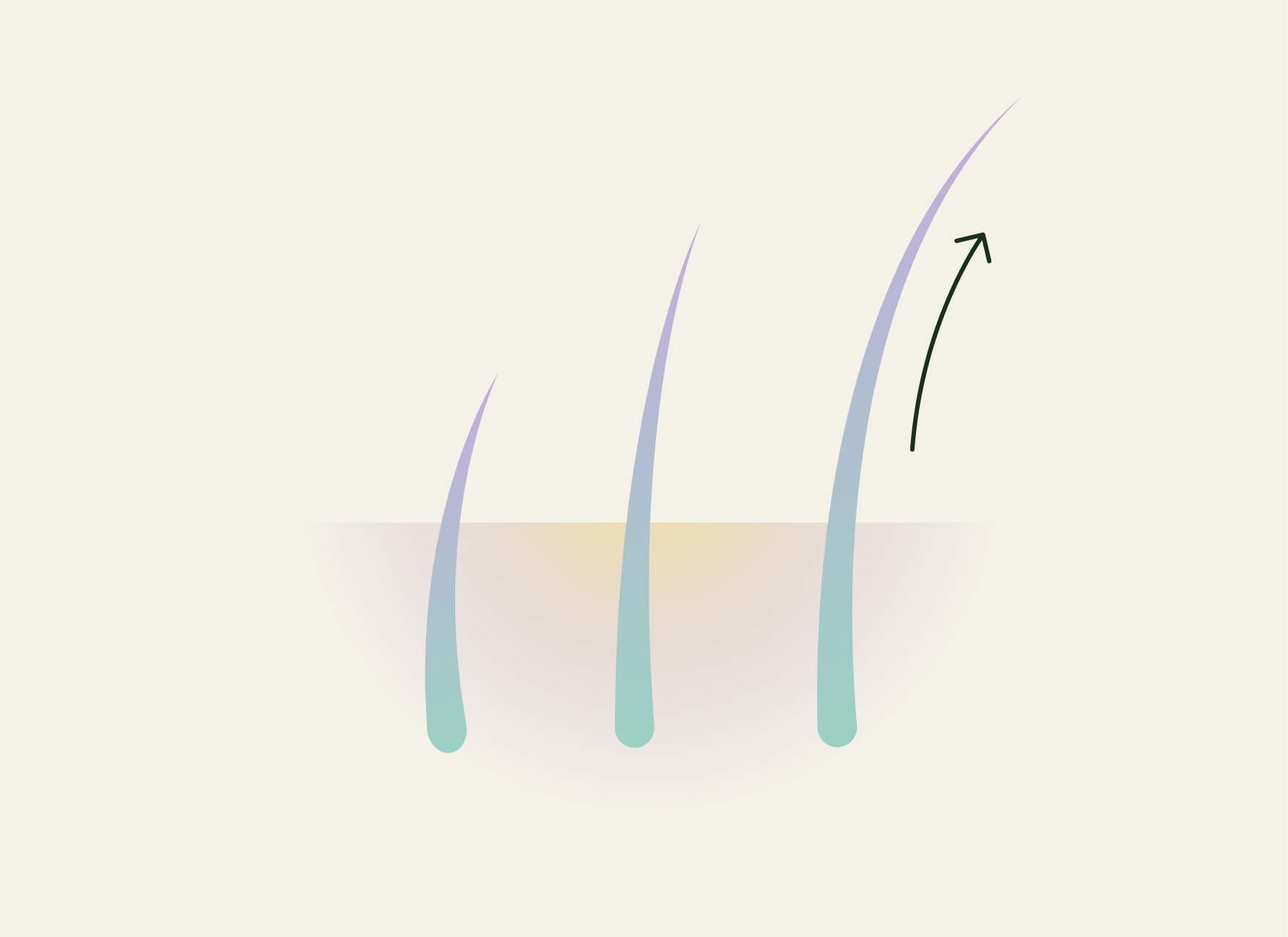
DHT attaches to the receptors on your hair follicles, making them gradually shrink in size. Meanwhile, your hairs get thinner and lighter in colour until the follicles close up and no more hairs grow. DHT also shortens your hair growth cycle, so it falls out faster.
Stress
When your body goes through a stressful event—think illness or a major life change—this can cause hair shedding. Usually, this is temporary and resolves within 3-6 months.
Medical problems
Some medical conditions can bring on hair loss. There’s an autoimmune condition called alopecia areata that causes hair to come out in patches, for instance.
Plus, hair loss can be a side effect of certain medicines, such as chemotherapy.
Other contributing factors
There are other things that can influence hair loss, too. For one, a drop in thyroid hormones can cause body processes—including hair growth—to slow down. Harsh hair treatments or nutritional deficiencies may also lead to hair loss.
Does TRT cause hair loss?
What happens if you start taking testosterone replacement therapy (TRT)? Well, there’s no strong clinical evidence that TRT causes hair loss.
Yes an increase in T might cause your DHT to rise. However, this will generally only speed up hair loss in men who are genetically predisposed to it i.e. they would have already experienced it later in life.
TRT doesn’t change how sensitive you are to DHT. It can just increase the supply to speed up something that was set to happen anyway.
How to prevent hair loss while taking testosterone
The good news is that if you are noticing hair loss, there’s ways to deal with it.
Medicine
Finasteride and minoxidil are the two main treatments for hair loss. FYI: they work best when used together. Other possible treatments are:
- Steroid injections or creams
- Light treatment
- Immunotherapy treatments
Check in with your doctor to find a plan that’s right for you.
Lifestyle
If an aspect of your lifestyle is contributing to your hair loss—like not eating a nutritionally balanced diet—correcting this can help. Bear in mind it can take a few months for your hair to grow back.
Is hair loss reversible?
Standard treatments like minoxidil and finasteride tend to work quite well. In one study, 94.1% of men using both medicines saw an improvement. It might take about 3-6 months (sometimes, up to a year) before you start noticing changes.
Does testosterone increase hair growth?
There’s no evidence that testosterone levels are linked to head hair growth. Though because androgens stimulate growth of body and facial hair, you might see an increase in those areas.
Keeping your T in check
So there you have it: testosterone doesn’t cause hair loss. But your T levels still matter. Testosterone keeps you fit and well, and if yours dips too low you can get symptoms like decreased energy or libido.
Check your T levels with our at-home testosterone blood test. Our clinicians will assess your results and suggest a personalised plan of action.