














Coviello, Andrea D., et al. “Low-dose Human Chorionic Gonadotropin Maintains Intratesticular Testosterone in Normal Men with Testosterone-induced Gonadotropin Suppression,” The Journal of Clinical Endocrinology & Metabolism, vol. 90, issue 5, 2005:2595-2602 https://academic.oup.com/jcem/article-abstract/90/5/2595/2836735?redirectedFrom=fulltext&login=true.
hCG is best known as the pregnancy hormone, but for men with low testosterone it serves a very different purpose. It can be used as a standalone treatment or alongside testosterone replacement therapy (TRT), and it works by stimulating the body's own testosterone production rather than replacing the hormone directly, making it a particularly useful option for men who want to preserve their fertility.
Key Takeaways
- What it is: hCG hormone injection
- How it’s used: Injected into muscle or under the skin
- Who it’s for: Men with confirmed low T (secondary hypogonadism)
- Pros: Maintains fertility while boosting T
- Cons: Can cause side effects in some men
- Availability: Private prescription
What is hCG and how does it work for men?
hCG stands for human chorionic gonadotropin. In the UK, hCG is most commonly prescribed under the brand name Pregnyl. If you see this on your prescription, it is the same medication.
For men with low T due to secondary hypogonadism, where there's an issue with how the brain signals to the testes, hCG can boost testosterone production.
Usually, the brain makes luteinising hormone (LH) to stimulate the testicles to produce T. With secondary hypogonadism (also called hypogonadotropic hypogonadism, or HH), the brain doesn't make enough LH, so testosterone drops significantly. hCG acts like LH: it stimulates the testicles and improves T production, which is what makes it an effective treatment option for men in this situation.
It can be used in two ways. As a standalone treatment, known as hCG monotherapy, it replaces the missing LH signal entirely. Or it can be used alongside TRT to preserve testicular function and fertility while testosterone treatment is being used.
You take hCG as an injection, usually 2 to 3 times per week.
What is hCG monotherapy?
hCG monotherapy means using hCG as your only treatment for low T. Here is how it differs from TRT:
- TRT replaces testosterone that your body isn’t producing
- hCG stimulates your body to produce testosterone naturally
hCG monotherapy may be recommended if:
- You are planning to have kids. TRT can suppress sperm production
- TRT side effects did not agree with you
- You have had a limited response to TRT and want to try stimulating natural production instead
Benefits of hCG for men
Aside from boosting testosterone, hCG can preserve your fertility. Here's what the research says:
As a standalone treatment:
- When used on its own, hCG can increase T production while maintaining fertility
- Sperm production was restored in 84% of men taking hCG who had reduced fertility due to HH acquired after puberty
Alongside TRT:
- hCG has been shown to preserve sperm production in men also using TRT and to restore sperm production sooner in men coming off TRT
- In one study of 29 men, those taking hCG and TRT were able to maintain T levels inside the testes (intratesticular testosterone), which is crucial for sperm production
- The proportion of men with a normal total motile sperm count went up from 5 to 58% when hCG was used alongside TRT
- Even at a low dose, hCG can maintain sperm production in men also on TRT
Is hCG monotherapy right for everyone with low testosterone?
No. hCG monotherapy only works when the testes are functional but under-stimulated due to a problem with the brain's signalling. This is called secondary hypogonadism.
If the issue lies with the testes themselves rather than the signalling from the brain, known as primary hypogonadism, hCG will not work because the testes cannot respond to stimulation. TRT is typically the appropriate treatment in these cases.
This is why getting properly tested before starting any treatment matters. A blood test measuring LH and FSH alongside total testosterone helps your specialist establish which type of low testosterone you have and which treatment will actually work for you.
How long does hCG take to work in males?
When you first take hCG, there will be an initial rise in T that will peak after about two hours. You’ll then have another peak at the 48-hour mark, which will be larger and more sustained. At high doses of hCG, T levels can stay elevated for six days.
But it usually takes at least 6 to 12 weeks for your hormone levels to stabilise, and for you to notice improvements in your symptoms.
A stronger, sharper you
Get your energy, drive and strength back, with a tailored testosterone service plan built by leading TRT doctors.
Effective personalised medication
Access to expert clinical team
Regular health monitoring
All-inclusive subscription - no extra costs
How quickly does hCG increase sperm count?
It takes 90 days for sperm to fully mature. So, we would typically expect your fertility to improve after around three months on hCG.
How to take hCG injections
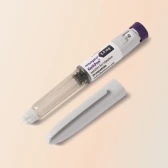
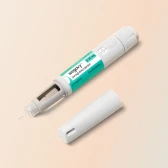
hCG can be injected under the skin (subcutaneous injection) or directly into muscle (intramuscular). Your provider will advise on which is best: they each have their own pros and cons.
Typically, hCG is given as a subcutaneous injection, under the skin, 2 to 3 times a week. Subcutaneous injections use a smaller needle and are generally more comfortable than intramuscular injections.
Make sure you follow your provider’s advice exactly when taking hCG. They’ll tell you how to use the medicine and how often you should take it.
Good to know: your hCG injections need to be kept in the fridge.
hCG dosage for men
Your provider will advise on this one. There’s not one fixed recommended hCG dosage for men.
They will consider your current hormone levels, whether you’re planning to have children anytime soon, and your medical history when deciding which starting dose is best.
How long do you take hCG monotherapy for?
hCG monotherapy is typically a long-term commitment, in the same way that TRT is ongoing rather than a short course. Hormone levels are monitored regularly to make sure hCG is still working well and that the treatment plan stays appropriate over time.
If circumstances change, for example switching to TRT or a change in response to hCG, a specialist can review and adjust the plan. Regular blood tests are an important part of staying on top of this.
hCG side effects in males
These are similar to TRT side effects. As with TRT, hCG can increase your oestrogen levels. When testosterone rises, some of it converts to oestrogen. This can cause side effects like breast tissue growth and mood changes. If this becomes an issue, your clinician can prescribe an aromatase inhibitor to manage oestrogen levels.
hCG side effects may include:
- Breast tissue growth (gynaecomastia)
- Mood changes
- Injection site pain
- Nausea
- Headache
- Acne or oily skin
- Water retention
Generally, hCG is considered a safe and effective low T treatment.
Where can I get hCG in the UK?
hCG is a prescription-only medicine in the UK and cannot be bought over the counter. It is legal to use when prescribed by a regulated clinician.
NHS prescribing of hCG for testosterone deficiency is uncommon. Most men access it through a private specialist clinic. When choosing a provider, look for CQC registration and GPhC-registered pharmacy dispensing, which confirm the clinic is operating legally and to the required safety standards.
If you have seen hCG sold online without a prescription, avoid it. Without a proper assessment of your hormone levels and medical history, there is no way to know whether hCG is the right treatment for you or at what dose.
Wondering what low T treatment is right for you?
We can help. We'll create a personalised plan to get your T within a healthy range, which can help get your strength, energy, and libido back.
Take our quiz or arrange a testosterone blood test to get started.