



















Bain, J. “Testosterone and the Aging Male: To Treat or Not to Treat?” Maturitas, vol. 66, no. 1, 2010, pp. 16–22. https://pubmed.ncbi.nlm.nih.gov/20153946/.
Men’s health stigma is still a big reason many men put off seeing a doctor, especially with low testosterone. Even though testosterone deficiency is common and treatable, lots of men wait years before getting help.
The reasons for this delay are multifaceted. Misunderstandings about the body, cultural pressures, mental health and misinformation all play a role.
Key takeaways
- Some men experience symptoms of low T, such as fatigue, low sexual desire, and mood changes.
- Low T symptoms are often treatable with testosterone replacement therapy.
- Even though testosterone deficiency is common and treatable, lots of men wait years before getting help.
- Testosterone deficiency is often missed by doctors. Many men with symptoms never get tested.
- Because testosterone is symbolically associated with masculinity, some men feel a stigma about discussing a possible deficiency.
- With clear information, proper testing, and personalised TRT treatment plans, men can get the care they need before low T affects their quality of life.

What is testosterone and why is it important?
Testosterone is a hormone produced primarily in the testes. It’s responsible for regulating your libido, energy levels, muscle mass, bone density and aspects of your emotional and cognitive functioning.
When testosterone levels fall, men may experience symptoms of low T, such as fatigue, low sexual desire, erectile changes, diminished strength, increased body fat, reduced concentration and mood changes.
These symptoms typically appear gradually, making them easy to dismiss as the normal consequences of ageing or the result of factors like stress.
But such symptoms are often treatable with testosterone replacement therapy that’s prescribed by an experienced clinician.
Testosterone and mental health
Low testosterone can also affect mental health. It can lead to low mood, irritability or lack of motivation. On the flip side, stress, anxiety, and poor sleep can also lower testosterone.
This bidirectional relationship often results in symptoms that men attribute to external pressures or personal shortcomings rather than a medical imbalance. As a result, men may attempt to manage the issue on their own, hoping it will resolve without intervention. And if low mood or low motivation is part of the problem, it can make it even harder to reach out for help.
Society tells men to be stoic, self-reliant and strong. Talking about problems, especially sexual or emotional ones, can feel like admitting weakness. And because testosterone is symbolically associated with masculinity, vitality, and competence, some men feel embarrassed discussing a possible deficiency. Concerns about body image can make these conversations feel even more difficult.
This cultural conditioning makes it difficult for men to initiate conversations about symptoms, even with trusted partners or clinicians.
Feeling drained and unfocused?
It might be low testosterone. Get answers fast with an at-home blood test.
Testosterone and misinformation
Misinformation about testosterone makes things worse. Media stories and marketing often exaggerate or oversimplify testosterone issues, leaving many men unsure about whether their symptoms are clinically significant, or whether TRT is safe.
Without clear, reliable guidance, it’s no surprise many men do nothing, even when their quality of life suffers, and when there are evidence-based medical treatments available.
Low T is frequently undertreated
Testosterone deficiency is often missed. Many men with symptoms never get tested, and even among those diagnosed, concerns about stigma, safety, or necessity often lead to delayed or declined treatment.
But what many men don’t realise is that delaying treatment can affect your overall health and quality of life, including heart and metabolic health.
We need to make talking about men’s health and men’s hormones normal. Such conversations should be treated like any other routine medical topic rather than sensitive or taboo subjects.
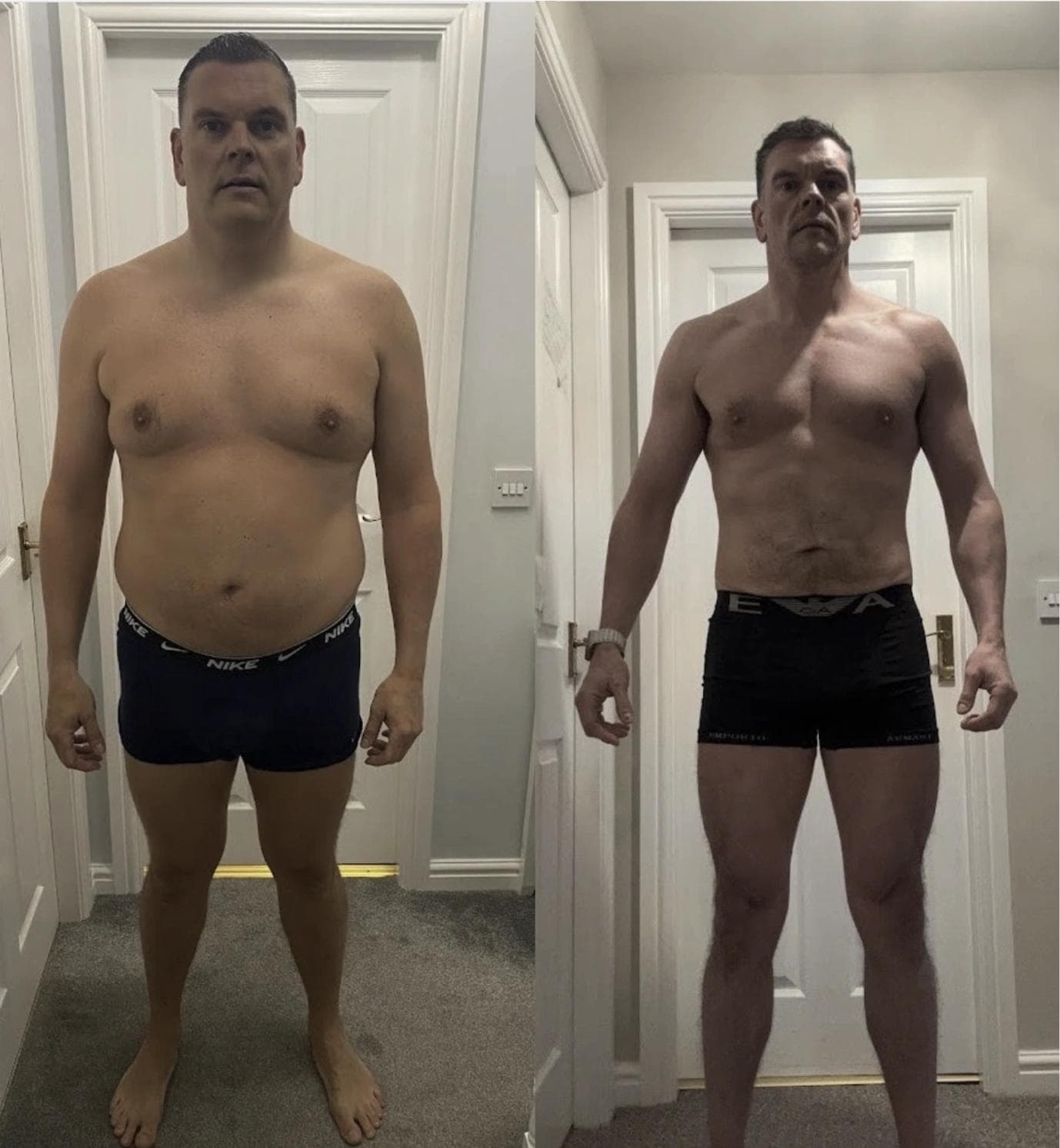
Changing the culture around men’s health, and encouraging open conversations with doctors, would make a real difference. With clear information, proper testing, and personalised treatment plans, men can get the care they need before problems affect their quality of life. See what getting help actually looks like in our TRT before and after stories.
A stronger, sharper you
Get your energy, drive and strength back, with a tailored testosterone service plan built by leading TRT doctors.
Effective personalised medication
Access to expert clinical team
Regular health monitoring
All-inclusive subscription - no extra costs
Could low T be holding you back?
If you’ve noticed weight gain or a dip in your drive or libido, low testosterone could be a factor. Answer 10 quick questions to assess if low testosterone could be holding you back. It’s the first step towards a tailored testosterone treatment plan, prescribed by expert doctors.
Continue reading
- Male menopause (andropause)
- Benefits of testosterone replacement therapy
- Testosterone gel for men
- Nebido injection
- How and where to inject testosterone
- Subcutaneous testosterone injections
- TRT side effects
- Once you start testosterone therapy, can you stop?
- Is testosterone a steroid?
- High testosterone in men
- Oestradiol levels in men
- Foods that increase testosterone
- How to increase testosterone
- Does masturbation decrease testosterone?
- Does ashwagandha increase testosterone?
- Does nicotine increase testosterone?
- TRT cost in the UK
- How to get TRT in the UK

DisclaimerAt Voy, we ensure that everything you read in our blog is medically reviewed and approved. However, the information provided is not meant to replace professional medical advice, diagnosis, or treatment. It should not be relied upon for specific medical advice.
References

Bhasin, S., et al. “Testosterone Therapy in Men with Hypogonadism: An Endocrine Society Clinical Practice Guideline.” Journal of Clinical Endocrinology and Metabolism, vol. 103, no. 5, 2018, pp. 1715–1744. 10.1210/jc.2018-00229.
Corona, G., et al. “Testosterone and Metabolic Syndrome: A Meta-Analysis Study.” Journal of Sexual Medicine, vol. 11, no. 8, 2014, pp. 2156–2169. 10.1111/j.1743-6109.2010.01991.x.