









Relief starts here. Book an appointment with an ADHD and hormone specialist
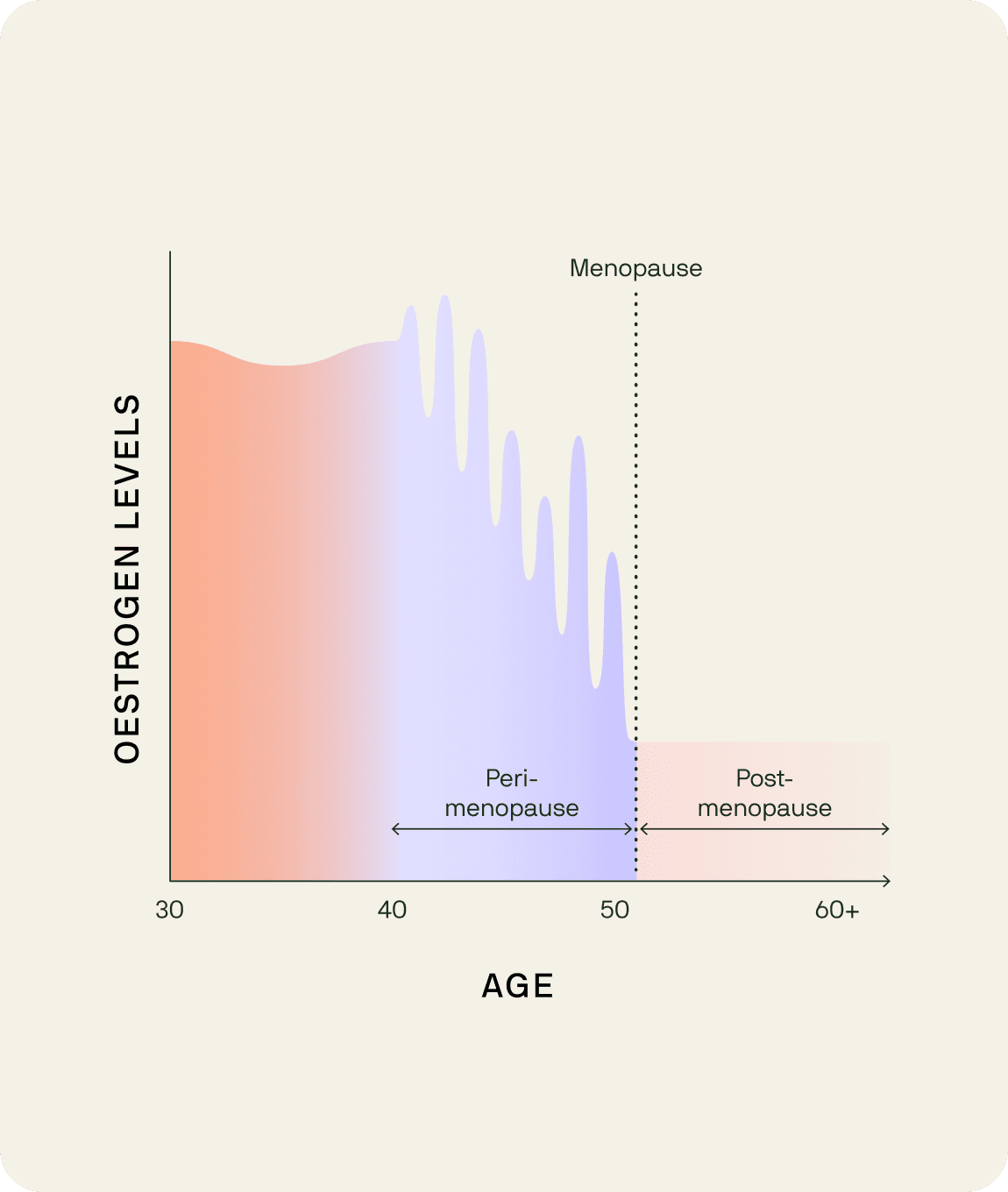
How ADHD and menopause interact
Hormonal changes during menopause can worsen ADHD symptoms. Fluctuating oestrogen levels affect dopamine and other neurotransmitters that are vital for: focus, motivation and emotional balance.

Our approach to care for ADHD & menopause
- 1
Start with an appointment — £99
45 minutes with a doctor to discuss symptoms, medical history and emotional patterns.
- 2
Clinical assessment
Your specialist will explain how treatments like HRT support brain chemistry and ADHD-related symptoms.
- 3
Your personalised plan £89 p/m
You’ll create a personalised plan together. This could include options like HRT, CBT, nutrition support and supplements alongside ongoing support via WhatApp and check-ins.
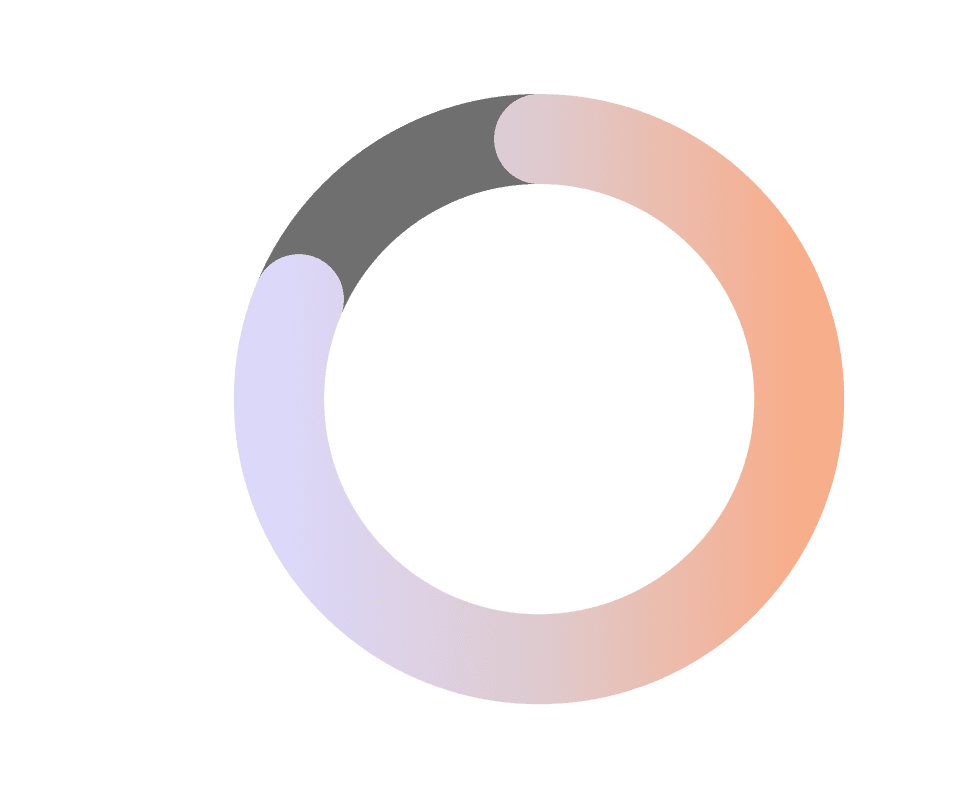
Up to 70% of women with ADHD report significant emotional dysregulation, such as: irritability, anxiety and low mood.
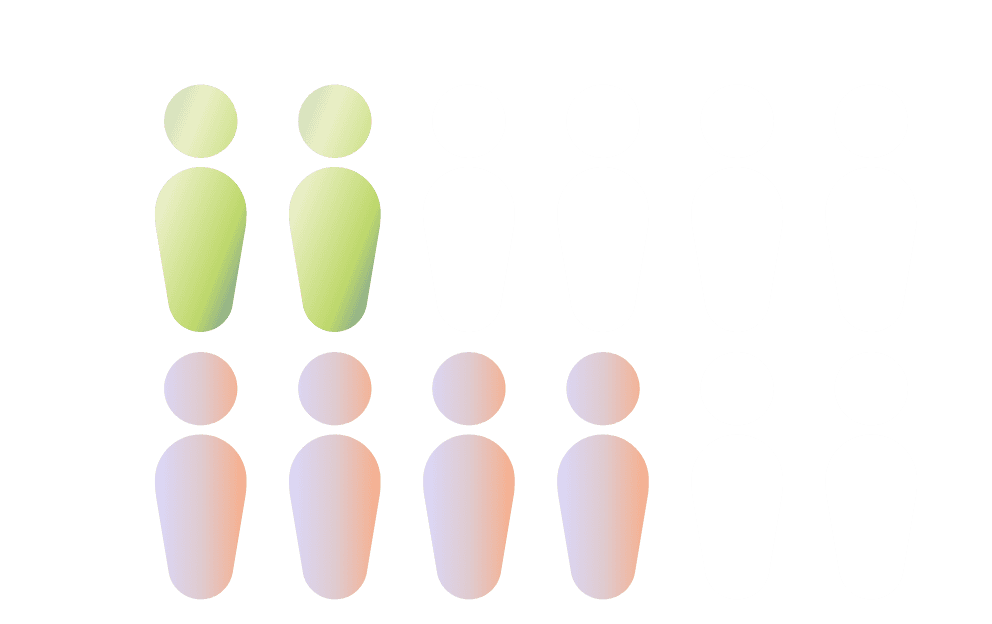
Women are almost twice as likely as men to reach adulthood without an ADHD diagnosis.
Symptoms of ADHD in women
ADHD in women is often under-diagnosed and misunderstood. ADHD in women presents differently to ADHD in men. Examples of female-specific presentation:



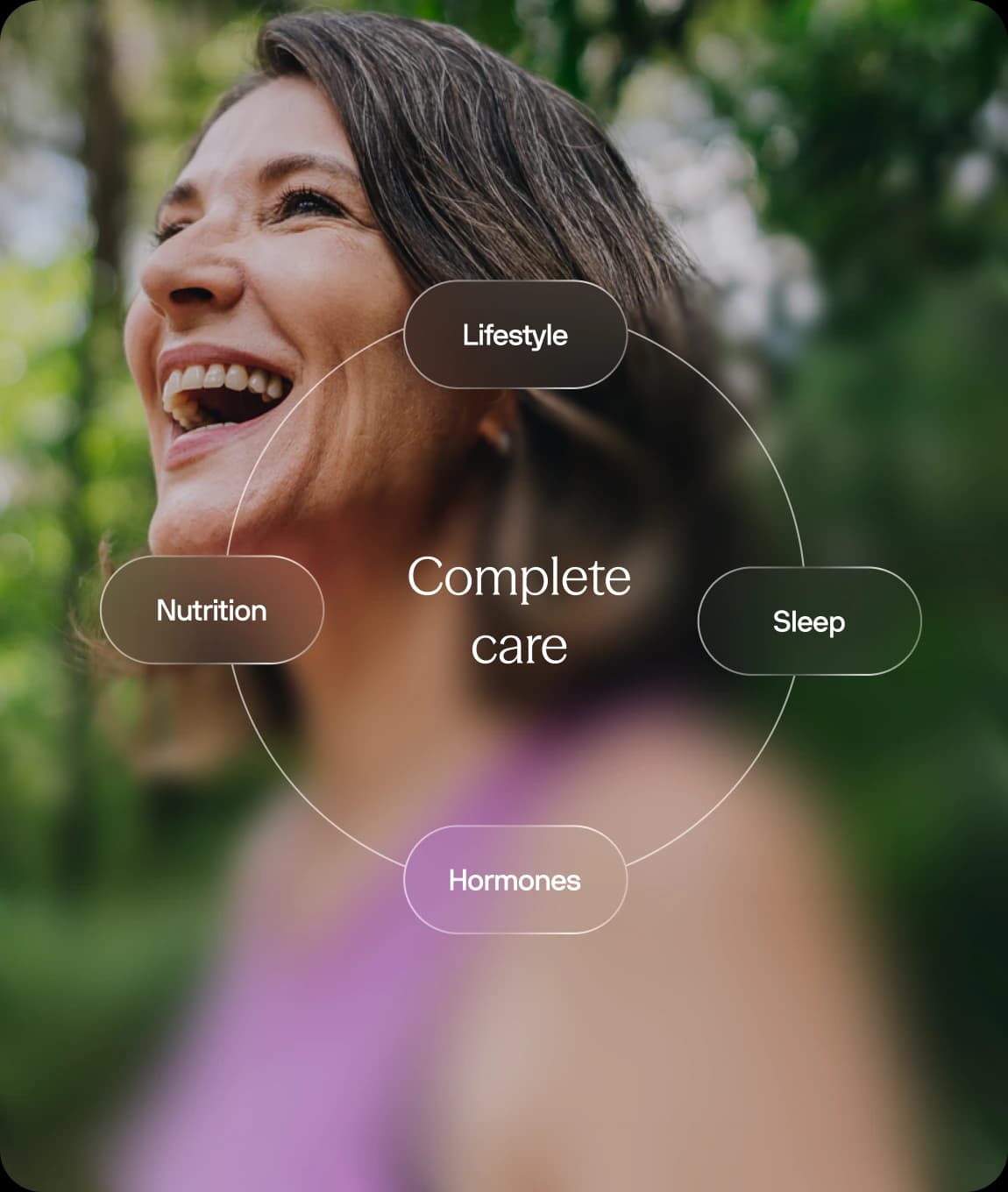
You don’t have to keep masking. There’s another way.
Traditional ADHD care has been built around male-pattern symptoms (hyperactivity, impulsivity, short attention spans). But we know women often show something different: mental restlessness, emotional overload and exhaustion from holding it all together.
That’s why we’re developing an assessment designed specifically for women — one that considers the full picture, from hormones to lifestyle. If you think you might have ADHD and are looking for a comprehensive and medically recognised diagnostic assessment, explore our page using the link below.
Treatment options for ADHD and menopause



"Voy provides specialist care for women already diagnosed or managing ADHD symptoms through the menopause transition. However if you are seeking a diagnosis, sign up to our waitlist for our diagnostic service launching this spring here"
Book an appointment today to speak with one of our specialists online.
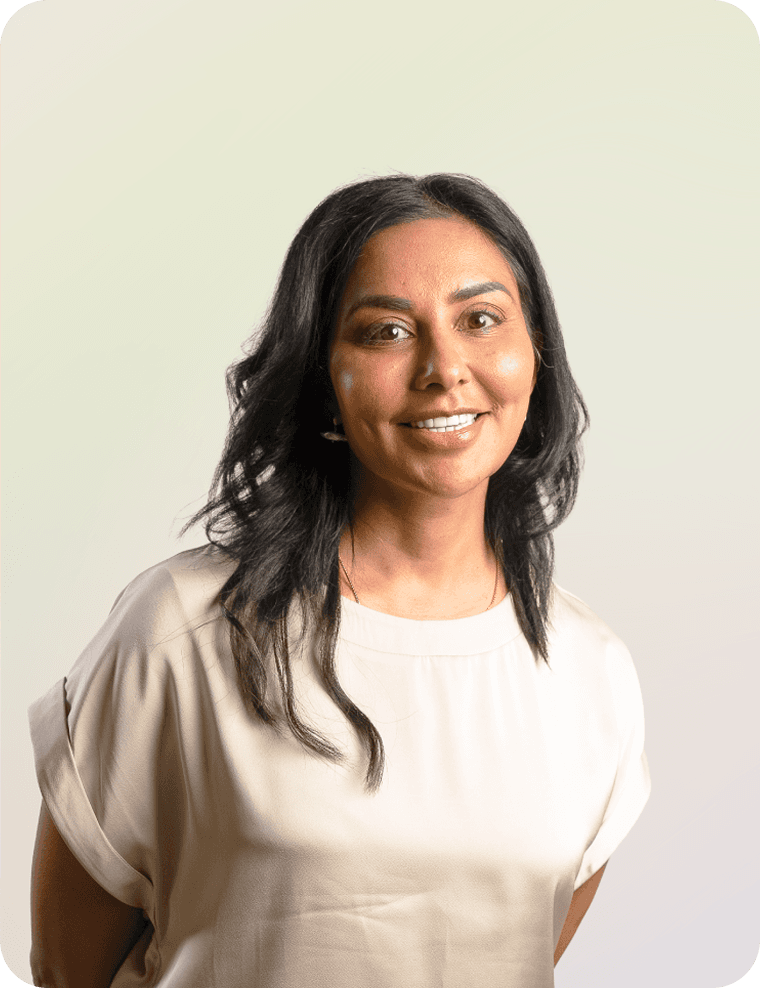
“Every woman’s journey is unique. My approach combines advanced expertise with compassion. I offer tailored support that helps women with ADHD navigate perimenopause and menopause with clarity, confidence and renewed energy — so they can reclaim the best version of themselves.”
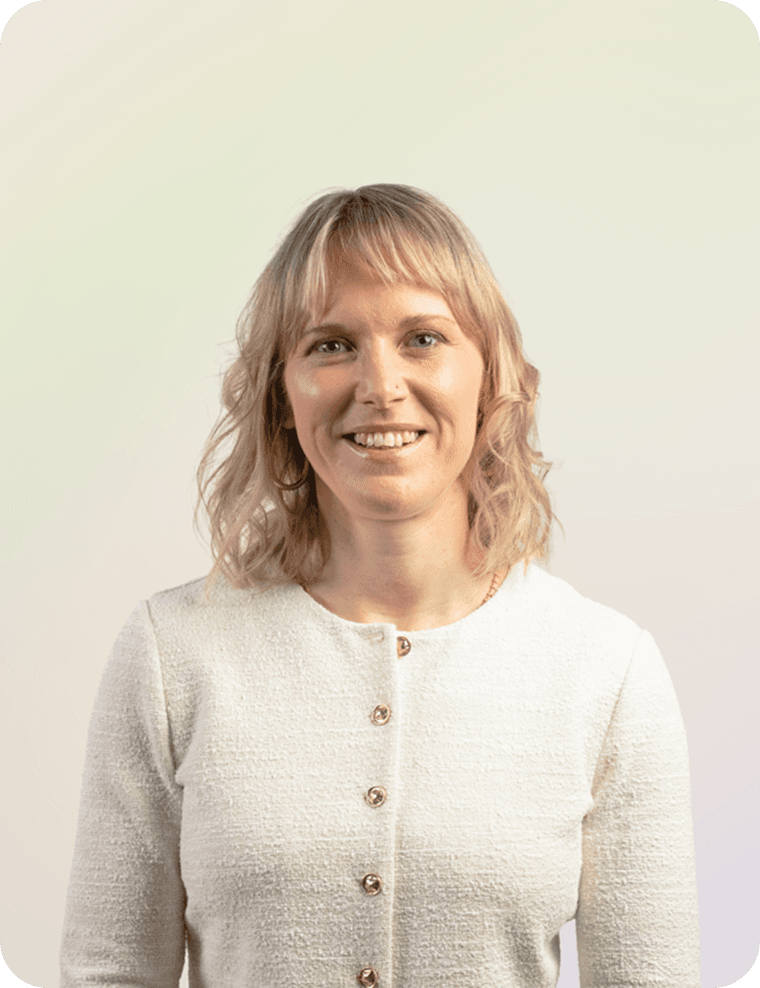
“Supporting women with ADHD and menopause is deeply personal to me. With a neurodiverse family and years of experience helping women through hormonal changes, I understand how uniquely challenging this combination can be. I offer tailored care using body-identical hormones where appropriate, alongside practical, well-informed lifestyle support.”

Related articles
.png&w=3840&q=75)
.png&w=3840&q=75)