











“Anaemia - B12 and Folate Deficiency: How common is it?” NHS. https://cks.nice.org.uk/topics/anaemia-b12-folate-deficiency/background-information/prevalence. Accessed 8 Apr. 2026.
Perimenopause symptoms can stop you from living your best life. Sleep changes, mood dips and brain fog are common complaints, alongside changes to your periods and excess weight that’s harder to shift than before.
It’s not surprising that many women look into menopause and perimenopause supplements, hoping for something that might take the edge off, or as alternatives to hormone replacement therapy (HRT). But “natural” isn’t always the best approach. Here’s why.
Key takeaways
- Most women don’t need multiple supplements. You should be able to get all the nutrients you need with a varied and balanced diet.
- Herbal menopause and perimenopause supplements have mixed and often limited evidence.
- Supplements don’t replace hormones like HRT does.
- “Natural” doesn’t always mean safe.

Do you need supplements during perimenopause or menopause?
Although you’ve likely seen perimenopause supplements on health shop shelves or advertised on the tube, the truth is that you don’t necessarily need special vitamins during this life stage. Most people should get all the nutrients they need by having a varied and balanced diet.
Certain vitamins and minerals can be helpful sometimes, though, particularly if:
- You have a known deficiency (like low vitamin D or B12).
- Your diet is restricted or inconsistent.
- You’re experiencing specific symptoms that may respond to targeted support.
Supplements to take during perimenopause and menopause
Heard of evening primrose oil, black cohosh, angelica, ginseng, St. John's wort, or red clover? There are many herbal remedies marketed to help with menopausal symptoms, but not all have sound evidence behind them.
Rather than thinking in terms of a single “best perimenopause supplement,” it can be useful to look at what’s happening in your body, and where support might make a difference.
Weight changes and belly fat
Weight gain during perimenopause is often less about willpower and more about hormonal shifts, particularly declining estrogen and changes in insulin sensitivity.
There’s no supplement that specifically targets “menopause belly fat.” But certain nutrients can support the underlying processes involved. Protein intake, for example, becomes more important as you get older for maintaining muscle mass, which in turn supports metabolism.
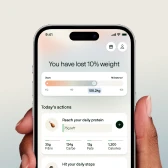
If you’re concerned about menopause weight gain, speak to our weight loss specialists at Voy, who can take you through evidence-backed treatments that could help.
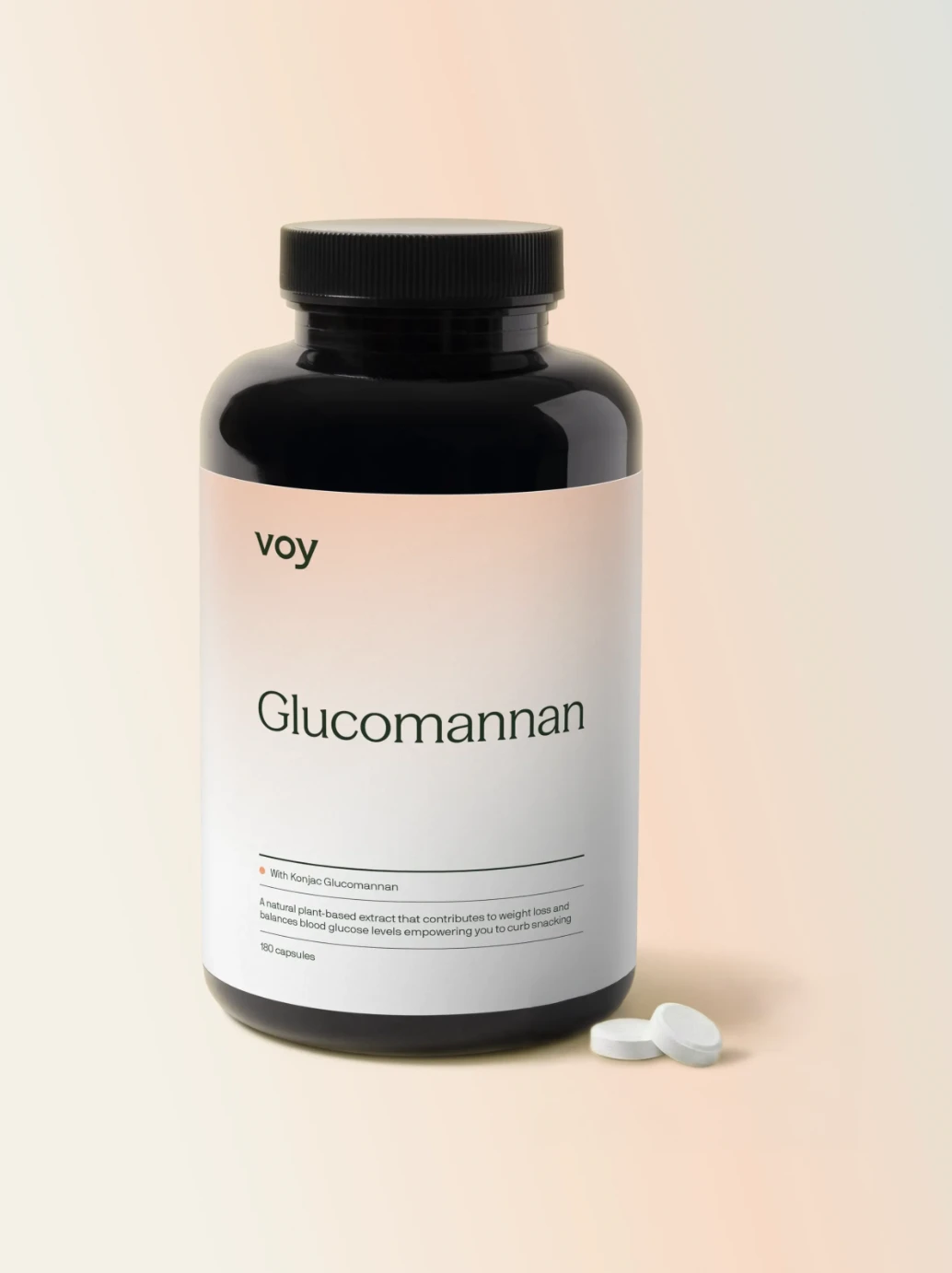
If you’re keen to go down the natural route, Voy’s Glucomannan Complex might be worth exploring. Each capsule combines glucomannan, chromium and green tea to help control appetite, reduce cravings and support steady energy.
Bloating and digestion
If you’ve noticed more bloating or digestive discomfort in your 30s and beyond, you’re not alone. Hormonal fluctuations can slow gut motility and affect how your body processes food.
Some women find that probiotics can support bowel regularity. But it’s also important to look at dietary triggers and eating patterns alongside them.
Brain fog and memory
Brain fog is one of the frustrating symptoms of perimenopause—some people describe it as their mind feeling like cotton wool.
Nutrients that support brain function include omega-3 fatty acids and B vitamins, particularly B12 and creatine. These play roles in nerve signalling and cognitive health. If levels are low, correcting a deficiency might help.
Herbal options like ginkgo biloba are sometimes used for brain fog, but the evidence is inconsistent.
Speak to your GP or a menopause specialist if you’re experiencing brain fog that’s stopping you from living your life to the full, as there are evidence-based treatments that can help.
Fatigue
Fatigue during perimenopause can be all too real. Hormonal fluctuations and disrupted sleep are common culprits.
Iron deficiency is another possible cause, especially if your perimenopause periods are heavier or more frequent than they used to be. Vitamin B12 and magnesium also play roles in energy production and muscle function.
However, fatigue is one symptom where it’s especially important not to self-diagnose, as it might suggest a medical cause. Speak to a doctor if it’s persistent.
Joint pain
Joint aches and stiffness can emerge in the years leading up to menopause. Vitamin B12 deficiency can cause joint pain. And vitamin D is important too—many of us are deficient in the winter months.
Guidelines recommend taking a daily vitamin D supplement of 10 micrograms during autumn and winter, and year-round for those with limited sun exposure.
Omega-3 fatty acids may help reduce inflammation, while collagen supplements are increasingly popular, although evidence is still developing.
Night sweats and hot flushes
Herbal options like black cohosh and soy isoflavones (plant compounds with mild estrogen-like effects) are commonly used for night sweats and hot flushes. Some women do find relief, but overall, research results are mixed.
Compared to treatments like HRT, the effects of herbal supplements are usually modest for menopausal symptoms.
Itchy or dry skin
Skin changes during menopause are largely driven by reduced estrogen levels, which affect collagen production and hydration.
Omega-3 fatty acids and vitamin E may help support skin health. Collagen supplements might also improve skin elasticity, but further research is needed.
Not sure what’s normal anymore?
When you're experiencing new symptoms, it can be hard to know what’s part of menopause and what’s not. You deserve care that looks at the full picture.
Best vitamins for perimenopause and menopause
As we mentioned earlier, it’s worth getting a doctor to check your levels of key nutrients before you start on any supplements.
Vitamin D and calcium for bone health
Vitamin D and calcium are often recommended together to protect your bones. Vitamin D helps your body absorb calcium effectively, while calcium itself is essential for maintaining bone strength.
Choose a supplement that combines calcium, vitamin D and K2. Vitamin K2 helps guide calcium to the right places, like bones and teeth, and away from arteries. Choose the MK-7 form for long-acting, steady support.
B vitamins for energy
B vitamins play a central role in energy production, brain function and mood regulation.
Vitamin B12 deficiency becomes more common with age and can contribute to fatigue, low mood, and cognitive symptoms that overlap with perimenopause. If your levels are low, supplementation can be genuinely helpful. But check with your doctor first.
Magnesium for sleep
Magnesium helps regulate the nervous system and supports healthy muscle relaxation, which is why it’s often used to support sleep quality, stress resilience, and cramps. Because magnesium is used up more quickly during stress and dietary intake is often low, supplementation can help restore healthy levels.
“Some women find it helps with sleep quality, feelings of tension and period problems. Look for magnesium glycinate, a form known for being highly absorbable and generally gentler on the stomach than some other types of magnesium.”

Should you take a multivitamin during perimenopause?
A good-quality multivitamin can act as a nutritional “top-up,” particularly if your diet isn’t consistent.
But it’s worth being selective. High-dose or overlapping supplements can lead to excessive intake of certain nutrients, which can result in unpleasant symptoms.
Supplements and HRT: what you need to know
HRT remains the most effective treatment for many menopause symptoms because it addresses the underlying hormonal changes.
Supplements generally work differently. They don’t replace declining estrogen or progesterone, but they can, in some cases, support aspects of health affected by their decline.
Can you take perimenopause supplements with HRT?
In most cases, yes, you can take supplements with HRT.
Nutrients like vitamin D, calcium, magnesium and B vitamins are generally safe to take alongside HRT. However, some herbal supplements, such as St John’s Wort, can interact with medications, including hormone treatments.
That’s why it’s always worth checking before starting a new supplement.
What are the best vitamins to take with HRT?
You might well not need additional vitamins if you’re taking HRT. But speak to your doctor if it’s been three months and you’re concerned that HRT doesn’t seem to be working.
Herbal supplements to manage symptoms
Herbal remedies are often marketed as “natural menopause supplements,” but the reality is more nuanced.
Some, like black cohosh or red clover, contain compounds that mimic estrogen in a very mild way. Others, like evening primrose oil, are used more traditionally, with less robust scientific backing.
One challenge is that herbal supplements aren’t regulated as strictly as medicines. This means:
- The quality and dosage can vary between products
- Evidence for effectiveness is often limited or inconsistent
- Safety data—especially long-term—is sometimes lacking
“Natural” doesn’t automatically mean safe, particularly if you have underlying health conditions or are taking other medications.
When to speak to a doctor
Supplements can be helpful, but they’re not a substitute for a proper perimenopause action plan.
If your symptoms are affecting your sleep, mood, or quality of life, speak to a clinician. This is especially important if you’re:
- Experiencing severe fatigue or low mood
- Unsure whether you might have a deficiency
- Considering combining supplements with HRT or other medications
Getting personalised advice can help you avoid unnecessary supplements and focus on what will actually make a difference.
Perimenopause care should be personal
Supplements can be helpful in perimenopause and menopause, but there’s no single supplement that replaces a tailored approach to your health. At Voy, you get specialist menopause care, on your terms. It starts with an in-depth appointment to discuss your symptoms, where our specialists will put together a personalised plan to get you enjoying life again.
Relief starts here. Answer a few questions to see how Voy can help you.