













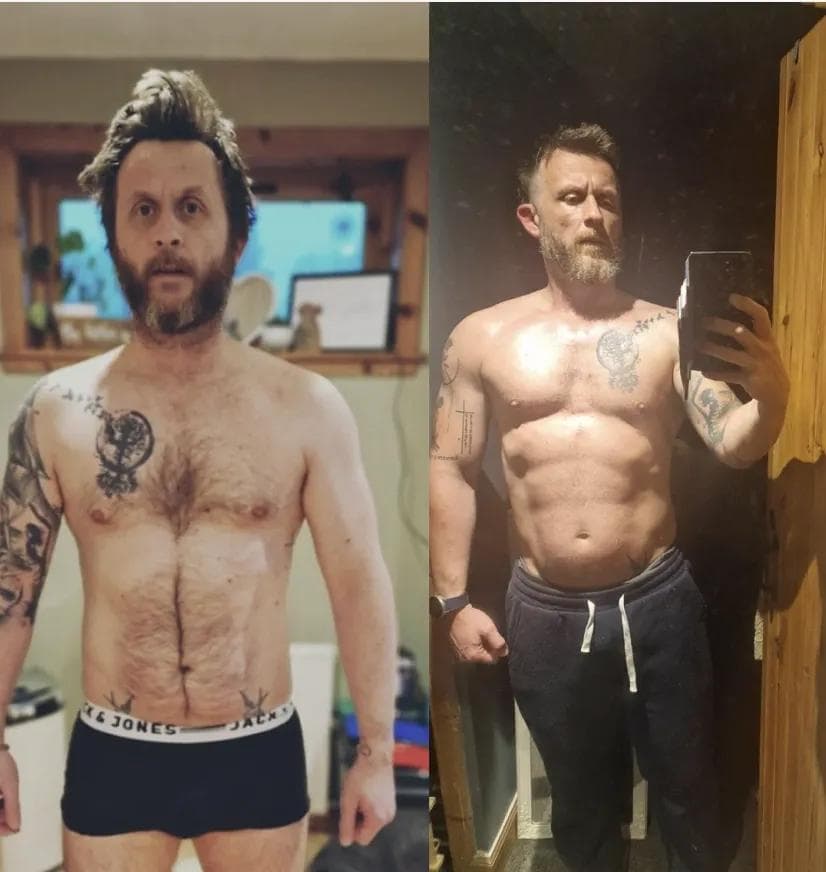

Ahmad, Athar, et al. "Muscle Dysmorphia: One in 10 Men in Gyms Believed to Have 'Bigorexia'." BBC Newsbeat, 21 September 2015, https://www.bbc.co.uk/news/newsbeat-34307044.
Body image does not just affect how you feel at the gym or on the beach. It shapes your confidence at work, in relationships, and in everyday social situations. For some men, it becomes a serious mental health issue that goes unaddressed for years, sometimes connected to underlying physical causes like low testosterone.
This guide covers what male body image really means, the latest UK statistics, the most common insecurities men face, and what you can do to feel better about your body.
What does male body image mean?
Body image refers to how you perceive, think about, and feel towards your own body. It is not just about what you see in the mirror but how you interpret what you see, and the emotions that come with it.
A positive body image means feeling broadly comfortable and accepting of your body, even if it does not match an idealised standard. A negative body image means persistently viewing your body in a critical or distorted way, often against unrealistic benchmarks.
Body image is closely tied to self-esteem. For men, poor body image tends to centre around muscularity, weight, height, and hair loss, rather than the slimness-focused concerns more commonly reported in women.
What do the statistics say about male body image in the UK?
The scale of the problem is larger than most people assume.
YouGov tracking data collected in June 2026 found that 40% of UK men are unhappy with their weight and body image, with 30% describing themselves as "not very happy" and 10% "not happy at all." This figure has remained broadly stable since 2019, suggesting this is not a recent cultural spike but a persistent baseline issue for men in the UK.
Research by the Mental Health Foundation, carried out on a sample of over 2,100 UK men, found that 28% of adult men had experienced anxiety relating to their body image. The same survey found that:
- 21% had dressed in a way to hide parts of their body they were unhappy with in the past year
- 22% had negatively compared themselves to others because of their body in the last 12 months
- 11% had experienced suicidal thoughts as a result of how they viewed their body
- 4% had deliberately hurt themselves because of body image issues
A separate survey by CALM, which asked 2,000 men about how their bodies made them feel, found:
- 35% of men are unhappy with how they look
- 48% have struggled with their mental wellbeing because of how their body looks
The numbers are striking but what they really point to is silence. Most men dealing with body image problems are not talking about it, something we look at in our piece on men's health stigma.
How has the ideal male body changed over time?
The male body ideal has shifted repeatedly across history. Understanding that helps put modern pressures into perspective.
Ancient Greece: Muscular, lean, low body fat. Interestingly, not too different from the physiques celebrated on social media today.
Victorian and Georgian era: A wide waist and large frame signalled wealth and status. Being visibly well-fed was aspirational when food scarcity was real for many.
1920s to 1950s: Hollywood changed things. Film cameras made people look larger, so leading men had to be lean without bulk. Cary Grant and Jimmy Stewart set the template.
1960s and 1970s: Slim and androgynous. The Beatles, Jimi Hendrix, David Bowie. Muscles were out.
1980s and 1990s: Action movies changed the benchmark entirely. Stallone's Rambo made bulk the new standard for masculinity, a physique that defined what millions of men aspired to for a decade. Stallone has since spoken openly about testosterone therapy, believing every man over 40 should investigate their hormone health.
2000s to 2010s: Leaner came back. Brad Pitt in Fight Club became the reference point, lean, defined, not bulky. Then the dad bod arrived in the mid-2010s and Seth Rogen and Chris Pratt made the case that you didn't need to be shredded to be seen as attractive.
2020s onwards: Things shifted again. GLP-1 medications like Wegovy and Mounjaro made rapid fat loss more accessible. Hyrox, CrossFit, hybrid training and “protein maxxing” went mainstream. The result is a new kind of pressure, achievable enough to feel realistic, demanding enough to drive a whole new wave of body dissatisfaction.
The ideal keeps changing. The standard you're measured against today will be replaced by something else entirely within a generation.
What are the most common male body image issues?
Male body image concerns tend to focus on a specific set of physical traits.
Muscle mass and body fat
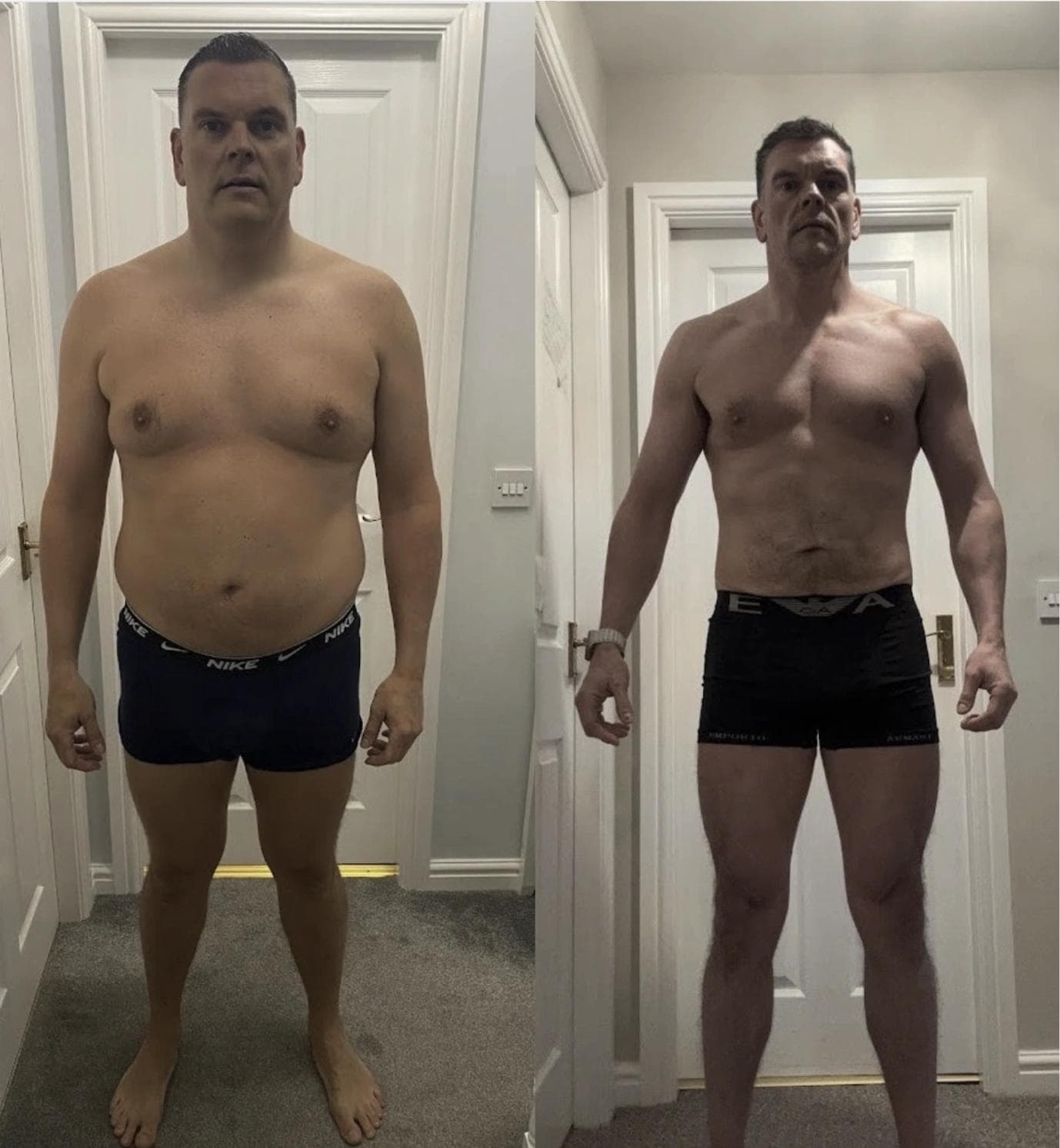
A survey of 2,000 men found weight gain was the biggest male insecurity, cited by 46% of respondents. The pressure to be lean and muscular at the same time is real, and for most men without a lot of time, structure and consistency, it is hard to maintain.
Hair loss
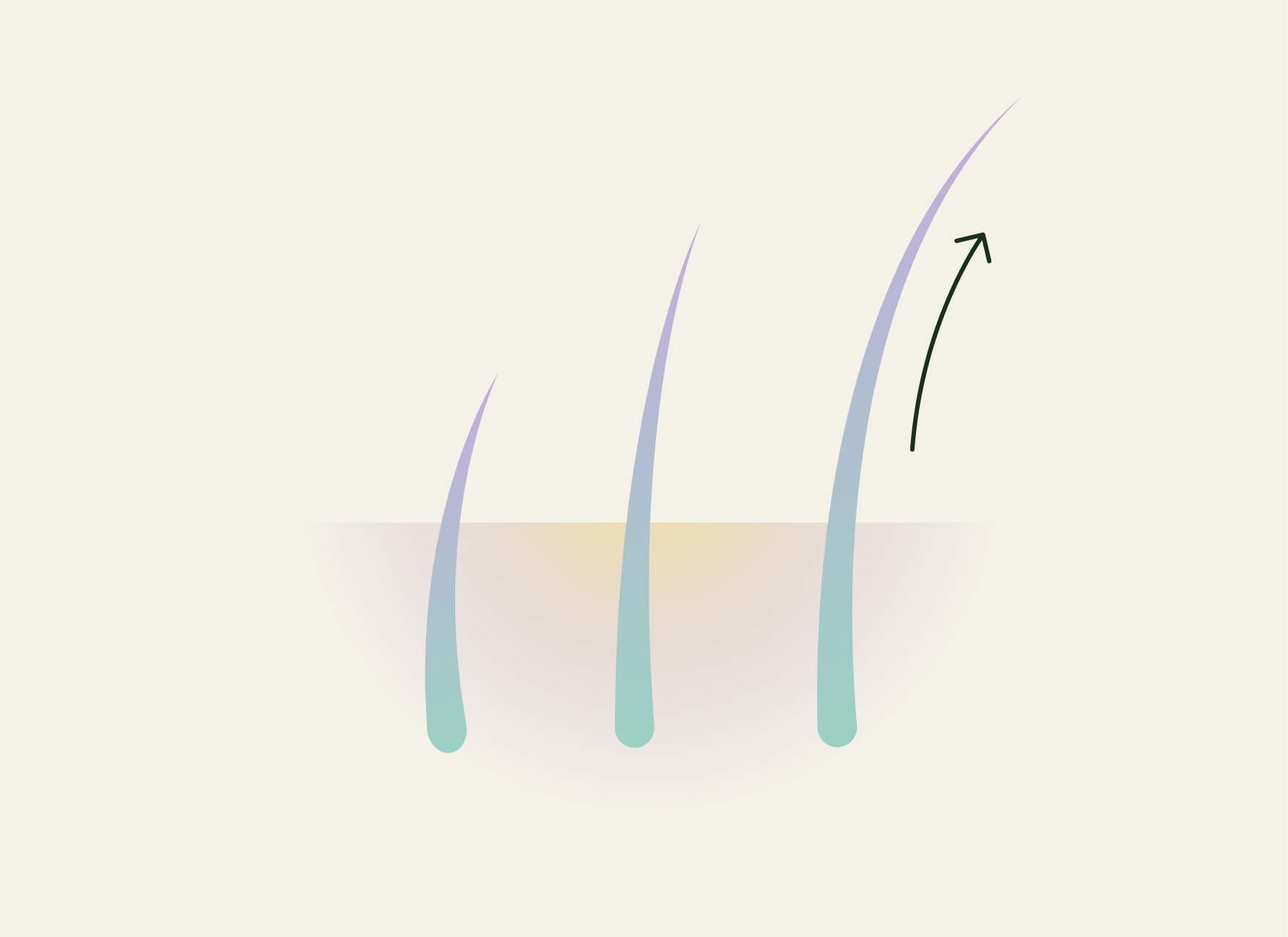
Around half of men will have some degree of male pattern baldness by 50, rising to nearly 80% by 70. Despite how common it is, many men find it deeply unsettling, particularly when it starts early. There is a well-documented link between testosterone and hair loss that is worth understanding if this affects you.
Height
Men who fall below culturally ideal standards of height can experience lower self-esteem and social anxiety. It is also one of the only physical attributes men worry about that surgery aside, cannot be changed.
Feeling less masculine
For some men it is not about one specific feature. It is a broader sense that their body does not match what they feel a man should look like. Difficulty growing facial hair, a smaller frame, lower energy, reduced sex drive, these can all play a part. Some of these overlap with symptoms of low testosterone, which is worth ruling out if any of this sounds familiar.
Gynaecomastia
Over half of adolescent boys experience gynaecomastia during puberty, and prevalence reaches 35-65% in men aged 50-69 in the UK. It is caused by an imbalance between oestrogen and testosterone, which can occur naturally as testosterone levels decline with age. Despite how common it is, many men feel embarrassed and never speak to a doctor about it. In persistent or significant cases it can be treated.
How does social media affect male body image?
Walk around a beach, a park, a supermarket or an office and you will see bodies of all shapes and sizes. Pick up your phone and everyone seems to look a certain way. That gap between real life and what you see on a screen is where a lot of body image anxiety lives.
The CALM survey found that 39% of men felt pressure to have a "perfect" body, with social media a major driver. Research shows men who view images of muscular or lean men online consistently report feeling worse about their own bodies afterwards.
Most of what you see is not real. A physique that looks effortless on Instagram typically reflects years of training, strict dieting and post-production editing.
That pressure has real consequences, driving some men toward extreme dieting, overtraining and unregulated use of medications like GLP-1s, where there is no medical oversight or safety net.
Being selective with your social media feed helps. Unfollowing accounts that make you feel worse and replacing them with accounts showing a wider range of body types is one of the most practical steps you can take.
Can low testosterone affect how you feel about your body?
Most conversations about male body image skip this entirely, but the evidence is clear.
Men with low testosterone have lower body image than men with normal levels, with average testosterone nearly half that of men who felt good about their bodies. BSSM guidelines confirm that men with testosterone deficiency commonly experience fatigue, low mood, reduced motivation, increased body fat and loss of muscle mass. All of which affect how they feel about their bodies, and make it harder to do the things that would help.
Voy's own intake data from 17,880 men starting TRT shows the same pattern. Around 4 in 10 reported clearly low mood and enjoyment of life at the point of starting treatment. Of the men with follow-up data, 78% showed improvement in mood and emotional wellbeing on treatment.
If this sounds familiar, a blood test is the right starting point. TRT in men with a confirmed deficiency can improve mood, energy and body confidence.
Feeling drained and unfocused?
It might be low testosterone. Get answers fast with an at-home blood test.
What is body dysmorphia in men?
Body dysmorphic disorder (BDD) is a mental health condition where someone becomes preoccupied with perceived flaws in their appearance that are minor or invisible to others. It goes well beyond ordinary insecurity.
The BDD Foundation estimates around 2% of UK adults live with it, though true figures are likely higher given the stigma and an average 10-year delay between symptoms and seeking help.
In men, BDD most commonly centres on muscularity, sometimes called muscle dysmorphia or bigorexia. Around 1 in 10 men training in UK gyms may have the condition. For some, it escalates. According to the UK Anti-Doping Agency, over one million steroid users in the UK are around 98% male, with 56% citing body image as their primary motivation.
Approximately one in four people with BDD attempt suicide. If you think this might apply to you, speak to your GP.
How can men improve their body image?
Changing how you look will not automatically change how you feel about how you look. Body image is largely a mental battle.
Work on your thinking
CBT is one of the most effective approaches for body image concerns. You do not need formal therapy to apply some of its principles. Writing down things you appreciate about your body, challenging negative thoughts when they arise, and practising gratitude for what your body can do are all evidence-based starting points.
Stop comparing
Comparing yourself to others, especially online, is one of the fastest routes to poor body image. The posts you see on Instagram are curated versions of people's lives, not an accurate picture of reality.
Talk about it
Most men dealing with body image concerns never discuss it. That silence tends to make things worse. Talking to a friend, a GP or a therapist is not a sign of weakness. It is what dealing with a problem actually looks like.
Rule out a physical cause
If poor body confidence comes alongside fatigue, low mood, reduced sex drive or changes in body composition, it is worth checking whether a hormonal issue might be contributing. Understanding what low testosterone actually looks like is a useful first step. If TRT is appropriate, finding out how to access it in the UK is straightforward.
When should you speak to a doctor about body image?
Most men experience some degree of body dissatisfaction at some point. That is normal. But there are signs that professional support is worth seeking.
The NHS and UK parliamentary health committee both identify the following as signs it is worth speaking to someone:
- Worrying a lot about a specific area of your body
- Spending a lot of time comparing your looks with others
- Avoiding mirrors or checking them constantly
- Going to a lot of effort to conceal perceived flaws
- Avoiding situations like the gym, swimming or social events because of how you look
- Restricting food or over-exercising in ways that are affecting your health
- Your mood, relationships or work are being affected
- Thoughts of self-harm or suicide related to how you feel about your body
Your GP is the right first port of call. They can refer you for talking therapy, investigate whether a physical cause like low testosterone is contributing, or both.
If you think low testosterone might be playing a role, a simple blood test can confirm it. Find out more about what low testosterone symptoms look like or explore TRT at Voy.