










What we treat
menu-close
WHAT WE TREAT
Weight loss
icon
Testosterone
icon
Hair Loss
icon
Preventive Health
Do health
Do health
Lifestyle programme powered by your biology and blood results
icon
VOY
Meet the experts
icon
Guides
icon
ACCOUNT
Log in
icon
OVERVIEW
Weight loss overview
icon
TREATMENTS
Explore all options
Explore all options
icon
Mounjaro
Mounjaro
Lose up to 23% body weight
icon
Wegovy
Wegovy
Lose up to 21% body weight
icon
Saxenda
Saxenda
Lose up to 10% body weight
icon
Orlos
Orlos
Lose up to 8% body weight
icon
ABOUT
How it works
How it works
icon
App
App
icon
Results
icon
Experts
icon
RESOURCES
Guides & tips
icon
ACCOUNT
Log in
icon
GET IN TOUCH
020 3912 9885
Mon-Fri 9:00-17:30
icon
OVERVIEW
Testosterone overview
icon
ABOUT TRT
How it works & Pricing
icon
Medical Team
icon
CHECK YOUR TESTOSTERONE LEVELS
At-Home Testosterone Blood Test
icon
Enhanced Testosterone Blood Test
icon
REVIEWS
What people say (4.7/5 Trustpilot)
icon
EVERYTHING YOU NEED TO KNOW
Symptoms of low testosterone
icon
What is TRT?
What is TRT?
icon
Benefits of TRT
Benefits of TRT
icon
Normal male testosterone levels
icon
View all articles
icon
ACCOUNT
Log in
icon
SUPPORT
Help Centre
icon
OVERVIEW
Hair Loss overview
icon
Treatments
Complete Hair Loss Plan
icon
Finasteride Plan
icon
Minoxidil Plan
icon
Hair Vitamins
icon
Power Shampoo
icon
EVERYTHING YOU NEED TO KNOW
Topical Dutasteride for hair loss
icon
Finasteride vs Minoxidil
icon
Dutasteride vs Finasteride
icon
Minoxidil - Does it work?
icon
View all articles
icon
ACCOUNT
Log in
icon
SUPPORT
Help Centre
icon
menu-close
WHAT WE TREAT
Weight loss
icon
Testosterone
icon
Hair Loss
icon
Preventive Health
Do health
Do health
Lifestyle programme powered by your biology and blood results
icon
VOY
Meet the experts
icon
Guides
icon
ACCOUNT
Log in
icon
OVERVIEW
Weight loss overview
icon
TREATMENTS
Explore all options
Explore all options
icon
Mounjaro
Mounjaro
Lose up to 23% body weight
icon
Wegovy
Wegovy
Lose up to 21% body weight
icon
Saxenda
Saxenda
Lose up to 10% body weight
icon
Orlos
Orlos
Lose up to 8% body weight
icon
ABOUT
How it works
How it works
icon
App
App
icon
Results
icon
Experts
icon
RESOURCES
Guides & tips
icon
ACCOUNT
Log in
icon
GET IN TOUCH
020 3912 9885
Mon-Fri 9:00-17:30
icon
OVERVIEW
Testosterone overview
icon
ABOUT TRT
How it works & Pricing
icon
Medical Team
icon
CHECK YOUR TESTOSTERONE LEVELS
At-Home Testosterone Blood Test
icon
Enhanced Testosterone Blood Test
icon
REVIEWS
What people say (4.7/5 Trustpilot)
icon
EVERYTHING YOU NEED TO KNOW
Symptoms of low testosterone
icon
What is TRT?
What is TRT?
icon
Benefits of TRT
Benefits of TRT
icon
Normal male testosterone levels
icon
View all articles
icon
ACCOUNT
Log in
icon
SUPPORT
Help Centre
icon
OVERVIEW
Hair Loss overview
icon
Treatments
Complete Hair Loss Plan
icon
Finasteride Plan
icon
Minoxidil Plan
icon
Hair Vitamins
icon
Power Shampoo
icon
EVERYTHING YOU NEED TO KNOW
Topical Dutasteride for hair loss
icon
Finasteride vs Minoxidil
icon
Dutasteride vs Finasteride
icon
Minoxidil - Does it work?
icon
View all articles
icon
ACCOUNT
Log in
icon
SUPPORT
Help Centre
icon
Female hair loss

Hair loss treatments for women

Female hair loss is more common than you might realise, and it can be worrying when it happens to you. The reassuring news is that there are treatments available that can help slow hair loss and support regrowth.

clinician image

Medically reviewed by

Dr Earim Chaudry (MBBS), Chief Medical Officer

iconPublished 12 March 2026

Hair loss in women can affect confidence, identity and the way you show up in the world, even if no one else seems to notice your thinning locks. Female hair loss is much more common than you might think.

The good news is that it’s often treatable. Here’s what actually works, what doesn’t and how to choose the right hair loss treatment for you.

Key Takeaways

  • Hair loss in women is common and often linked to hormones, stress or genetics.
  • Medical treatments like minoxidil can be effective.
  • Gentle hair care, nutrition and stress management can also support healthy hair.
Hair loss in women

Female pattern hair loss, which is sometimes called “androgenetic alopecia” (the main type of hair loss in women), usually looks different from male pattern baldness.

In men, hair loss tends to begin above the temples, and a receding hairline eventually forms an “M” shape, while hair at the top of the head also thins, often progressing to baldness.

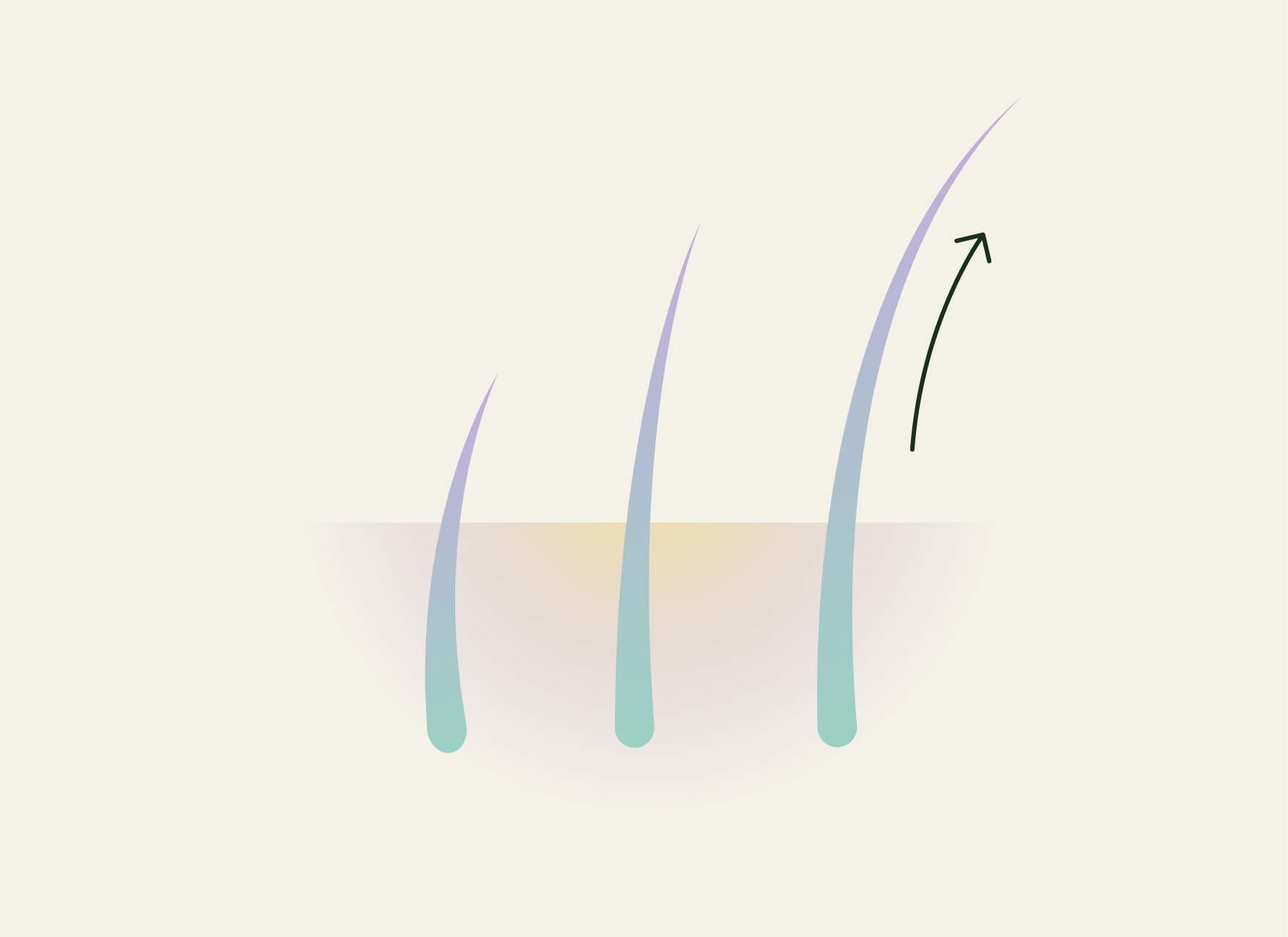
In women, female pattern hair loss usually begins with gradual thinning at the parting, followed by reduced volume at the crown. Women rarely get a receding hairline or become bald.

If you’re experiencing hair loss, the important thing to know is you’re not alone. Up to 40% of women experience visible hair loss by age 50. Luckily, there are treatments that can make a big difference.

Causes of hair loss in women

Hair loss and hair thinning in women can have many causes. Female pattern hair loss is caused by a combination of genetic and hormonal factors and might be a symptom of a condition such as polycystic ovarian syndrome (PCOS). It’s a good idea to work with a healthcare professional to determine what might be behind your thinning hair.

Common reasons for female hair loss include:

  • Hormonal changes (pregnancy, menopause, perimenopause or even birth control)
  • Genetics
  • Stress, illness or significant weight loss
  • Nutritional deficiencies (iron, vitamin D, B12)
  • Thyroid conditions
  • Certain medications or medical treatments
  • Excessive hair styling

If hair loss is sudden, patchy, or accompanied by other symptoms, see your doctor, as it’s important to rule out underlying conditions.

Hair loss is also a well-known side effect of chemotherapy. And it’s common for women to lose more hair than usual up to three months after they've given birth.

What is the best treatment for hair loss in women?

You don’t have to put up with thinning hair, as there are effective treatments for female hair loss.

The most effective and suitable hair loss treatments for women depend on the cause of hair loss, your age and hormonal stage and how early treatment starts.

One proven treatment for female-pattern baldness is minoxidil. It can slow hair loss and promote thicker hair growth.

Medical treatments for hair loss in women

Medical treatments have the strongest evidence, especially for female pattern hair loss.

Minoxidil is the most widely recommended hair loss treatment for women. Here’s more info on what minoxidil is and how it works.

Minoxidil helps slow hair loss and support regrowth. It works best with consistent, long-term use and results usually appear after 3 to 6 months.

Sometimes doctors might recommend minoxidil taken as a tablet to women (oral minoxidil), but this is prescribed off-label and usually at a lower dose than given to men.

Other medications that treat hair loss in women may include:

  • Finasteride (a hormonal hair loss treatment that is sometimes prescribed off-label for women)
  • Spironolactone
  • HRT for perimenopausal and menopausal symptoms
  • Iron supplements (if you’re deficient)

It’s important to talk to your doctor before starting any form of treatment for hair loss. Some hair loss medicines aren’t safe to use if you’re pregnant, breastfeeding, planning on becoming pregnant or going through menopause.

In-clinic hair loss treatments

Treatments such as PRP (platelet-rich plasma) injections may help some women, but evidence is mixed and these treatments can be very expensive. So it’s worth speaking to your doctor about medical solutions first.

Natural hair loss treatments for women

Lifestyle changes can support scalp and hair health. Managing stress is a big one, as chronic stress can lead to hair shedding (a condition called telogen effluvium). If stress is getting on top of you, talk to your doctor about treatments that could help, such as talking therapies, and make time for activities you enjoy.

It’s worth looking at your diet, too, and ensuring you’re eating high-protein foods (such as fish, chicken, lean meat, eggs, beans, quinoa, tofu and Greek yoghurt). Iron is an important nutrient for hair as well. It’s found in red meat and leafy greens. But it might be worth checking in with your doctor to see if an iron supplement is a good idea.

You can also promote healthy hair by using gentle shampoos, avoiding tight hairstyles and treating your hair gently when it’s wet.

Get your confidence back

Hair loss can feel overwhelming, but you’re not powerless. There are effective hair loss treatments for women.

FAQ

Hair loss treatments for women: FAQ

DisclaimerAt Voy, we ensure that everything you read in our blog is medically reviewed and approved. However, the information provided is not meant to replace professional medical advice, diagnosis, or treatment. It should not be relied upon for specific medical advice.
References
icon¹

“Hair loss.” Mayo Clinic. https://www.mayoclinic.org/diseases-conditions/hair-loss/symptoms-causes/syc-20372926. Accessed 28 Jan. 2026.

icon²

“Hair Loss Female Pattern (Androgenetic Alopecia).” British Association of Dermatology. https://www.bad.org.uk/pils/hair-loss-female-pattern-androgenetic-alopecia. Accessed 28 Jan. 2026.

icon³

“Hair Loss in Women.” Cleveland Clinic. https://my.clevelandclinic.org/health/diseases/16921-hair-loss-in-women#management-and-treatment. Accessed 28 Jan. 2026.

icon⁴

Famenini, Shannon et al. “Demographics of Women with Female Pattern Hair Loss and the Effectiveness of Spironolactone Therapy.” Journal of the American Academy of Dermatology vol. 73,4 (2015): 705-6. doi:10.1016/j.jaad.2015.06.063.

icon⁵

“Polycystic Ovary Syndrome.” NHS. https://www.nhs.uk/conditions/polycystic-ovary-syndrome-pcos/. Accessed 28 Jan. 2026.

icon⁶

“Spironolactone.” British Association of Dermatology. https://www.bad.org.uk/pils/spironolactone. Accessed 28 Jan. 2026.

icon⁷

“Telogen Effluvium.” British Association of Dermatology. https://www.bad.org.uk/pils/telogen-effluvium. Accessed 28 Jan. 2026.

icon⁸

“Women and Hair Loss: Coping Tips.” NHS. https://www.nhs.uk/symptoms/hair-loss/coping-tips-for-women/. Accessed 28 Jan. 2026.

card-image
Female Hair Loss
What causes hair loss in women?
Here’s the lowdown on what’s to blame for female hair loss.
card-image
Female Hair Loss
Female pattern baldness
If you think you might be experiencing female pattern baldness, you’re not alone. Here’s why it happens and the treatments that can genuinely help.
card-image
Female Hair Loss
Finasteride for women
Finasteride is sometimes mentioned as a potential treatment for women’s hair loss. Here’s what you should know.
Have a question?
phone icon
020 3912 9885Monday - Friday 9am - 5pm
support icon
help@joinvoy.comWe aim to reply in 24hrs
email icon
press@joinvoy.comPress & media inquiries
Our services are not intended for use in a medical emergency. If you need urgent medical attention, please call 111 or 999.

Women

  • Weight Loss
  • Menopause

Men

  • Hair Loss
  • Weight Loss
  • Testosterone

Prevention

  • Do Health

Voy

  • Meet the experts
  • Sitemap
  • Careers

Legal

  • Privacy policy
  • Terms & Conditions
  • Terms of Sale
  • Complaints

Get help

  • Help Centre (FAQ)
facebooktwitterinstagram
Copyright 2026 Voy. All rights reserved.
Pharmacies: Manual PharmacySuperintendent Pharmacist: Dawn NeilGPhC Registration: 2063362
registered pharmacycqc ratingcpd member