


















“Hairstyles that Pull can Lead to Hair Loss,” American Academy of Dermatology, 2024 https://www.aad.org/public/diseases/hair-loss/causes/hairstyles. Accessed 23 Jan. 2026.
Hair loss isn’t just a men’s issue. Up to 50% of women will experience female pattern (inherited) hair loss. But there’s a bunch of other possible causes, too.
Key Takeaways
- Genes are the most common cause of hair loss in women.
- But hormones, stress, diet, or underlying medical conditions can also play a role.
- Hair loss is treatable. Ask your provider for advice.

How does hair grow?
It’s important to understand how hair grows in the first place.
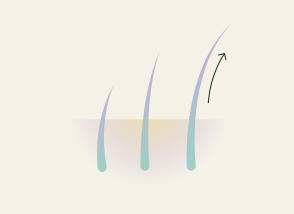
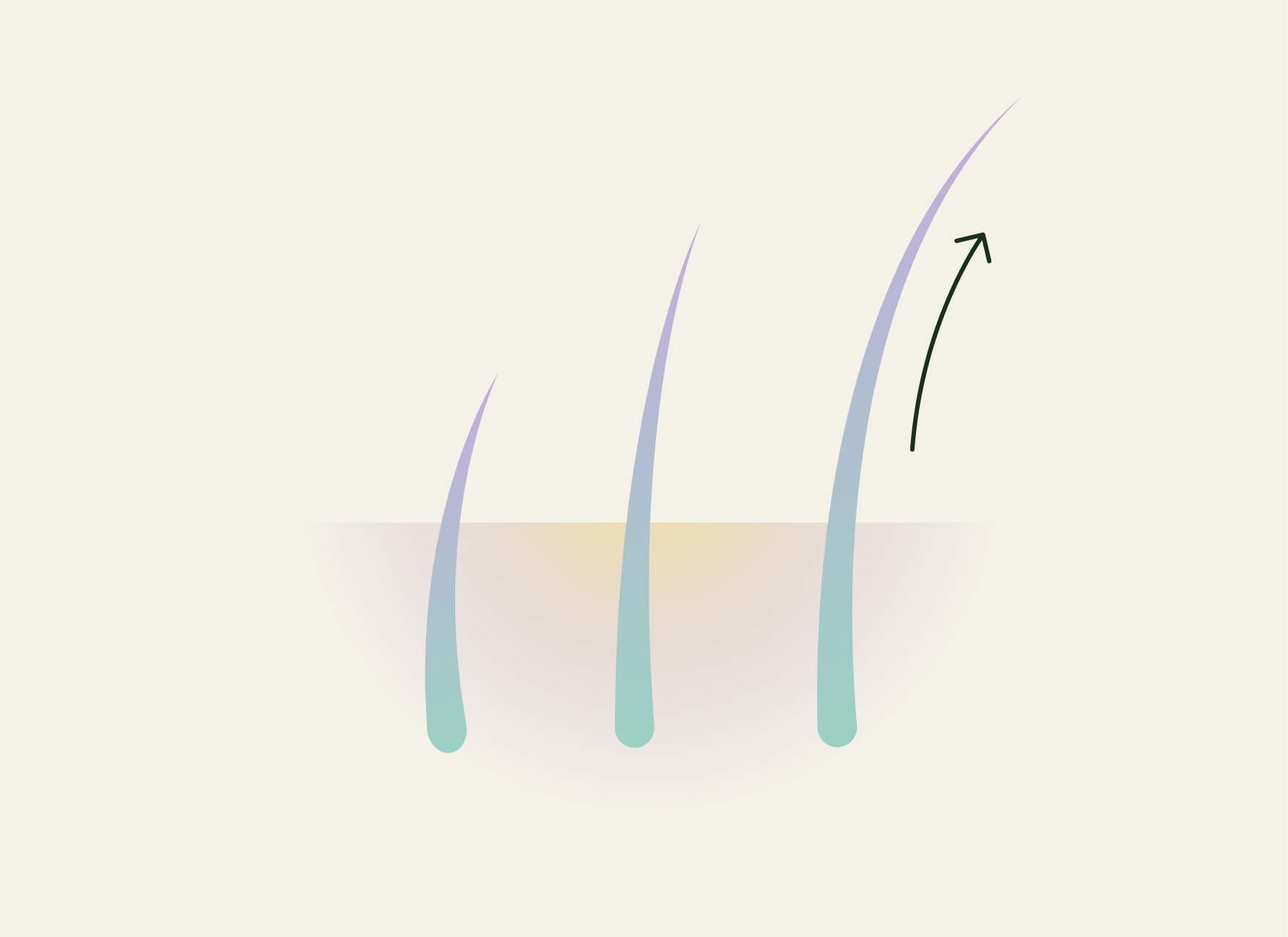
Your hair follows a natural cycle of growth and shedding. First, there’s the growth (anagen) phase, where hairs sprout and grow from their follicles. It can last for around 2-8 years.
Then your hairs enter the transition (catagen) phase, which lasts for 2-3 weeks. Growth stops and your hair follicles start to shrink.
Finally, we reach the resting (telogen) phase. Here, your hairs sit in place while, beneath the surface, a new hair begins to form. It's this new growth that eventually pushes the old hair out. The resting phase can take several months.
Good to know: some people count shedding as a separate phase, called the exogen phase.
What causes hair loss in women?
Now, onto the main event: the causes of hair loss in women.
Genes
The most common type of hair loss in women is called female pattern baldness, or female pattern hair loss. And it’s mainly caused by your genes.
You might be predisposed to produce higher levels of a hormone called DHT, which drives hair loss by gradually shrinking your follicles (so your hair gradually becomes finer). Or you may be more sensitive to DHT’s effects.
Hormones
Your hormones contribute to female pattern baldness, too. Though we’re not totally sure on the role they play.
It’s thought that when oestrogen declines, the shifting ratio between oestrogen and androgens (like DHT) increases your risk of hair loss. That’s because you have more DHT in relation to oestrogen than before.
This explains why hair loss is more common in the lead-up to menopause, when oestrogen drops. Or why hair loss is a side effect of PCOS, where androgen levels are elevated.
Stress
Going through a stressful event—like a breakup—can cause temporary hair loss. This type of hair loss often happens suddenly.
The stress can disturb your growth cycle, pushing more hairs into the shedding phase sooner. But usually, your hair will grow back within 3-6 months.
Medical conditions
Some medical conditions and health problems can bring on hair loss:
- Alopecia areata is an autoimmune disease where hair falls out in patches
- Nutritional deficiency. Certain deficiencies, like iron deficiency, are linked to hair loss
- Thyroid problems. There’s evidence linking thyroid hormones to hair loss
Heads up: hair loss can also be a side effect of certain medicines, like chemotherapy.
Reasons for hair loss in young women
Only your doctor can confirm the cause of your hair loss. But to give you an idea of what might be going on, here are some possible reasons for hair loss in young women.
- Stress. Women of any age can experience temporary shedding.
- Hormonal changes. For example, if you have PCOS.
- Nutritional deficiencies
- Female pattern hair loss. This is more common with age, but around 10% of premenopausal women are affected.
- Medical condition or medication
- Harsh styling. Heat application or excessive brushing can damage your hair and make it fall out in some cases. If you’re worried about your routine, you might also wonder whether shampoo can cause hair loss in women.
Reasons for hair loss in older women
Older women can be affected by any of those reasons listed above. However, they are much more likely to experience female pattern hair loss.
This tends to come on around the time of menopause, and is estimated to affect up to 56% of women over the age of 70.
How to stop hair loss in women
The good news is that hair loss is treatable. Your options include:
- Medication, like minoxidil. This extends the hair growth phase while encouraging new hairs to grow
- Correcting a nutritional deficiency. Here, your doctor might suggest supplements
- Switching up your styling. Go for gentler options
- Treating underlying health conditions
Not sure what’s best? Ask your provider to point you in the right direction.
Hair thinning isn’t something you have to just accept
Voy’s science-backed treatments are designed to help reduce shedding and support fuller-looking hair over time. Take our hair assessment to find the plan that’s right for you.
When to see a doctor
Being worried about hair loss is enough of a reason to see your doctor.
But if you have any other symptoms, like an itchy scalp, or if your hair comes out suddenly or in clumps, it’s best to pay them a visit. These could be signs of infection or another health problem.
Help for hair loss
You don’t have to deal with hair loss alone. We target the root causes of thinning to help reduce shedding and restore thickness in just a few months.
Our experts at Voy can put together a science-backed plan to get your hair back. Take our quiz to get started.