













“About Finasteride.” NHS. https://www.nhs.uk/medicines/finasteride/about-finasteride/. Accessed 21 Jan. 2026.
Losing your hair, or noticing it slowly thinning, can feel deeply personal. If you’ve found yourself searching for effective hair loss treatments for women, you’re not alone. Around half of women aged 70 years or over experience female-pattern baldness. And it can happen much younger.
Hair loss can also be a symptom of life stages such as perimenopause, menopause or a hormonal condition like polycystic ovarian syndrome (PCOS).
Finasteride is an effective hair loss treatment for men. It’s not usually prescribed for women, and it isn’t a first-choice treatment. But your doctor might recommend it in certain circumstances. Here’s when.
Key Takeaways
- Finasteride is not routinely prescribed to women and is not licensed for female hair loss.
- In rare cases, it may be considered off-label, usually for postmenopausal women.
- Pregnancy risks are serious and mean it’s unsuitable for many women.
- Safer, more established treatments are available and are usually tried first.
What is finasteride and how does it work?
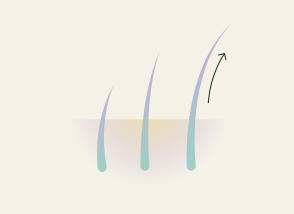
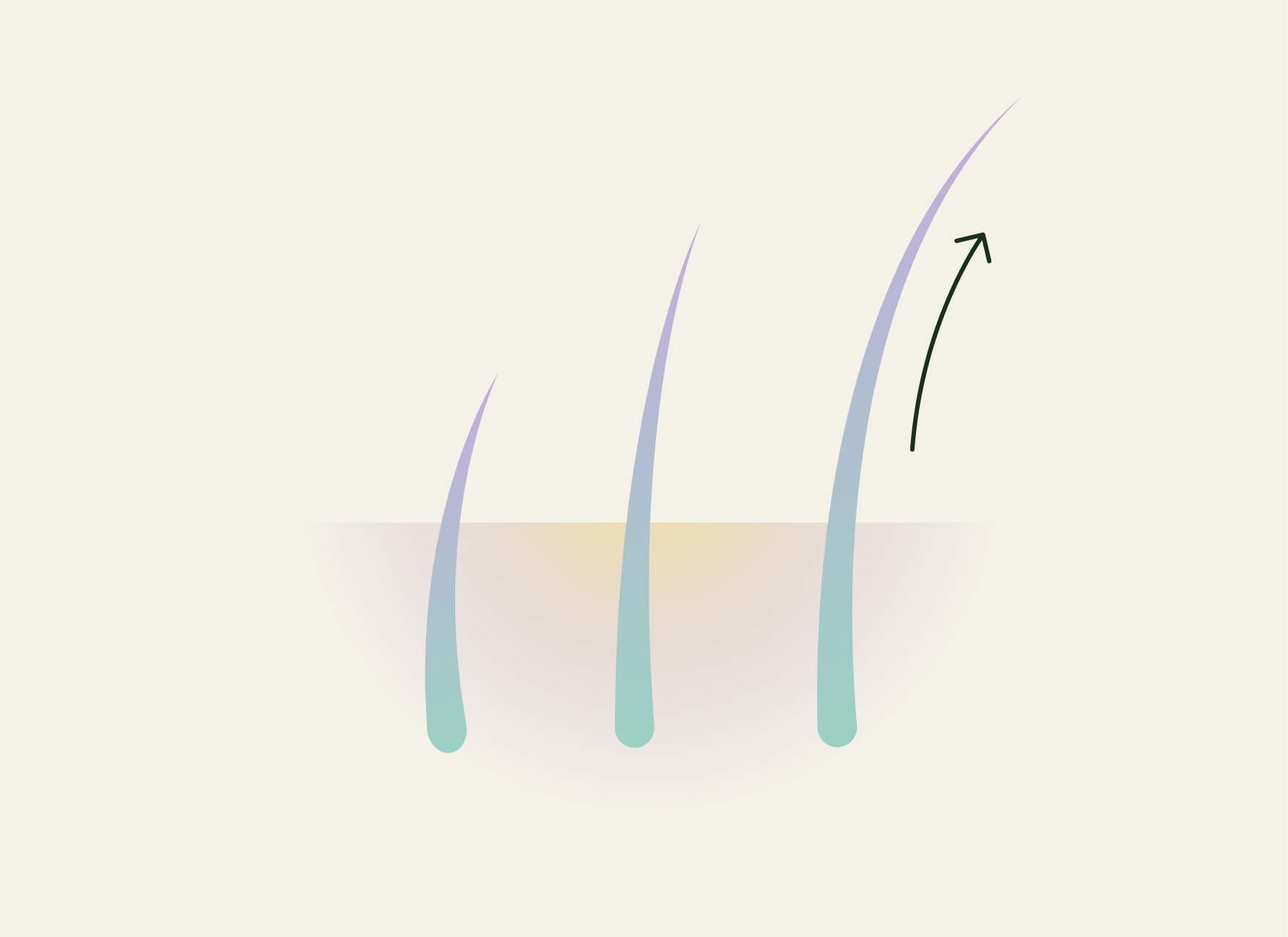
Finasteride is a medication that affects hormones involved in hair loss, specifically dihydrotestosterone (DHT). DHT can cause hair follicles to shrink over time, leading to thinner, weaker hair and reduced growth.
By blocking the enzyme that converts testosterone into DHT, finasteride lowers DHT levels in the body and around the scalp. This mechanism works well for many men with male pattern baldness, which is why finasteride is licensed for men.
In women, hair loss tends to be more complex. Hormones may play a role, but they might not be the whole story. That’s one reason finasteride is generally not recommended for women, though it might be prescribed by a specialist doctor “off-label” but only in certain cases.
Hair thinning isn’t something you have to just accept
Voy’s science-backed treatments are designed to help reduce shedding and support fuller-looking hair over time. Take our hair assessment to find the plan that’s right for you.
Can women take finasteride for hair loss?
Most women won’t be prescribed finasteride.
That doesn’t mean it’s never discussed, though. In clinical practice, it’s sometimes considered when:
- Hair loss appears strongly driven by male hormones (androgens).
- Other treatments haven’t helped.
- You’ve gone through menopause or pregnancy is not a possibility.
If there’s a possibility you’ll have children, finasteride is generally avoided because it can lead to complications in pregnancy.
What is finasteride used for in women?
When finasteride is prescribed to women, it is always off-label and typically limited to specialist care.
It may be considered for:
- Female pattern hair loss (sometimes called female pattern baldness) that hasn’t responded to standard treatments.
- Persistent hair thinning where androgens are thought to play a significant role.
Even in these situations, it’s not viewed as a routine solution, but as one possible option among many.
Is finasteride safe for women?
While some postmenopausal women use it with success, there is far less long-term data in women than there is for men.
Because of this, doctors are careful to weigh potential benefits against risks, and many will decide that other treatments feel safer and more appropriate.
Finasteride and pregnancy risks
Finasteride can cause serious harm to a developing male fetus. Because of this:
- It must never be used during pregnancy.
- It’s usually avoided in women who could become pregnant.
- Tablets should not be handled if crushed or broken during pregnancy.
Finasteride side effects in women
Not every woman who takes finasteride experiences side effects, but some do. Reported finasteride side effects for women include:
- Mood changes (such as anxiety and depression)
- Difficulty concentrating
- Enlargement of breast tissue and sometimes breast tenderness
These effects are usually reversible once treatment is stopped, but because everyone’s body responds differently, close monitoring is important. If something doesn’t feel right, it’s always okay to pause and reassess.
Does finasteride work for female pattern hair loss?
The evidence on the effectiveness of finasteride for women is mixed.
Some small studies suggest that higher doses may improve hair density in postmenopausal women with female pattern hair loss. However:
- Not all women see improvement.
- Studies are small and not definitive.
- Results can take many months to show.
Finasteride dosage for women
There is no approved dose for women. In research settings and specialist care, doses have included:
- 2.5mg daily
- 5mg daily
- Lower doses (such as 1mg) commonly used in men have generally not shown consistent benefit in women.
Topical finasteride for women
You may also come across topical finasteride for women, which is applied directly to the scalp. Again, it’s not officially approved for hair loss in women. But it might be safer, as the idea is to limit how much medication circulates through the body.
Some research shows that topical finasteride offers favourable results to women with pattern hair loss. However, more research is needed and it’s worth knowing that pregnancy risks still apply, long-term safety isn’t yet well understood and topical finasteride remains off-label and specialist-led
Finasteride and minoxidil for women
For most women, topical minoxidil is the main treatment prescribed for hair loss. It’s the most studied and widely recommended option for female pattern hair loss.
Finasteride, if it’s discussed at all, usually comes after minoxidil has been tried consistently and without enough benefit.
Finasteride alternatives for women
Finasteride might not be the first-line choice for female hair loss, but there are other options, which may include:
- Topical minoxidil
- Oral minoxidil (off-label, under supervision)
- Spironolactone
- HRT
- Addressing underlying health issues like iron deficiency or thyroid imbalance
For some women, hair thinning may be linked to hormonal changes during perimenopause and menopause. If you're experiencing other symptoms alongside hair loss, understanding the underlying cause can help determine the most appropriate treatment options.
How to get finasteride for women in the UK
In the UK, finasteride for women is rarely prescribed and usually only by specialists. It’s not commonly available through the NHS for hair loss.
Hair loss doesn’t have a one-size-fits-all solution, but with the right guidance, there are options that are both effective and appropriate for most women.
Find out what might work best for you by taking Voy’s quick hair loss quiz. A clinician will review your answers and guide you on the next steps to help your hair feel healthier and stronger.