












“Can Stress Cause Hair Loss?” Mayo Clinic, May 10, 2023. https://www.mayoclinic.org/healthy-lifestyle/stress-management/expert-answers/stress-and-hair-loss/faq-20057820.
Noticing your hair thinning or shedding more than usual during perimenopause can feel upsetting. After all, hair is more than just hair. It’s tied to our identity, confidence and sense of self.
The good news is that you’re not alone, and there are ways to manage and reduce hair loss during this phase of life. Let’s explore why hair loss occurs in perimenopause and what you can do about it.
Key Takeaways
- Hair changes during perimenopause are common
- Fluctuating oestrogen and progesterone hormones can impact your hair’s growth phase, causing thinning and shedding
- Treatments range from topical options (like minoxidil) to hormone and lifestyle support
- Consult a healthcare professional if hair loss is sudden, patchy or accompanied by other health changes
What is perimenopause and why does it cause hair loss?
Perimenopause refers to the years leading up to menopause, often beginning in your 40s (though it can hit earlier or later). During this time, your hormone levels fluctuate and gradually decline, especially oestrogen and progesterone.
Perimenopause can last for several years (around eight to ten years before menopause). When you have no period for 12 months in a row, you have officially reached menopause.
Perimenopausal hormonal shifts don’t just affect your periods (potentially making them more irregular or your cycles longer or shorter), they can trigger symptoms such as hot flushes, sleeping problems and weight changes. And some people do notice that their hair is becoming thinner, weaker or shedding more than usual.
In fact, half of women will experience hair changes as they go through menopause.
While it may feel discouraging, know that effective treatment options are available.
Common causes of hair loss in perimenopause
There are quite a few reasons you might notice hair loss in the years leading up to menopause.
Hormonal changes
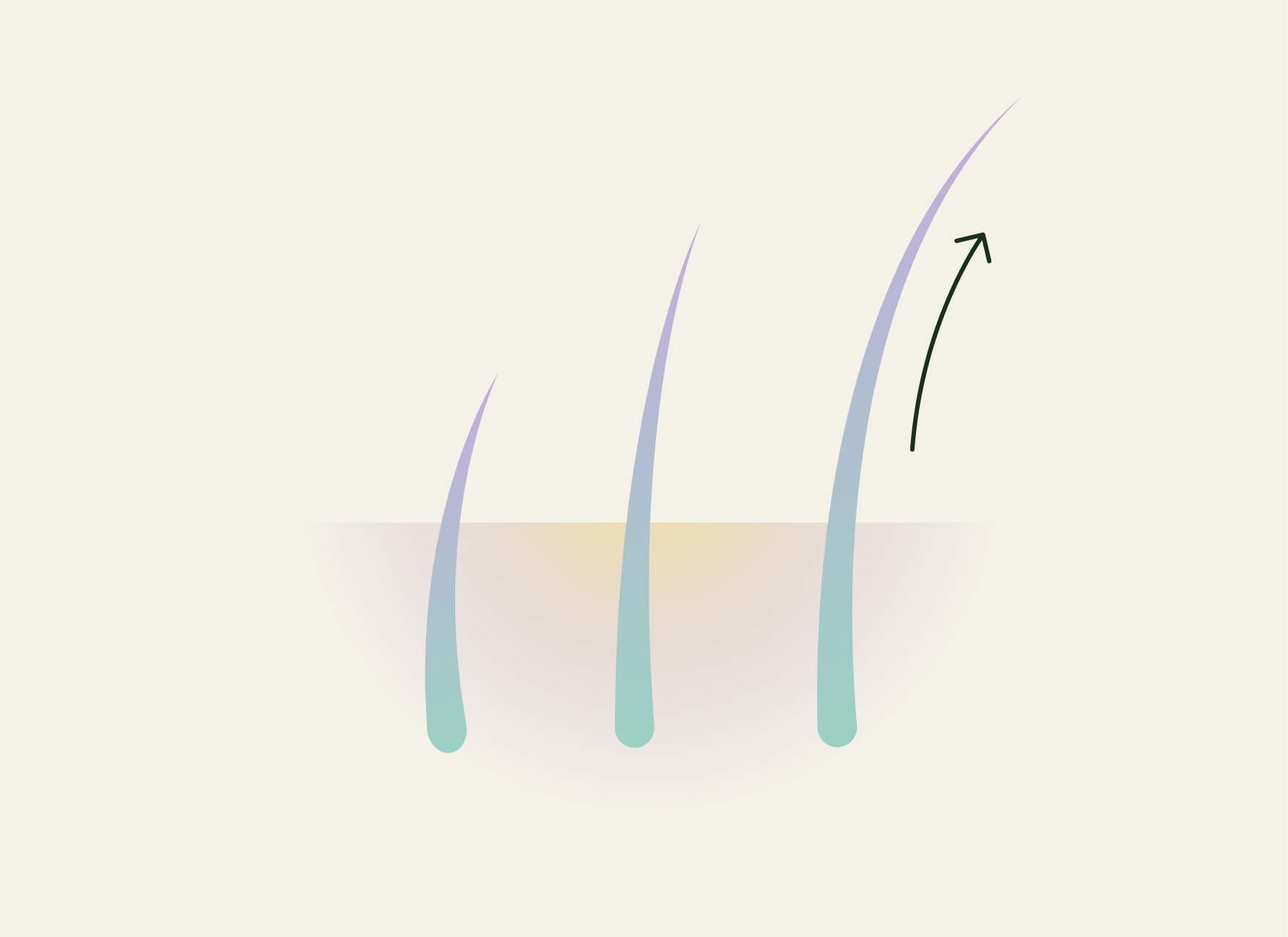
Fluctuating hormones during perimenopause can contribute to hair changes. Lower amounts of oestrogen shortens the hair growth cycle, while higher amounts of androgens (male hormones) can shrink hair follicles, resulting in thinner strands.
Stress and emotional strain
Perimenopause is often a time of life transitions, and stress can exacerbate hair loss. High cortisol levels can push more hair into the shedding phase, a condition called telogen effluvium (which can also occur after losing a lot of weight quickly).
Nutritional gaps
Your hair needs nutrients to thrive. Iron, vitamin D and zinc are especially important. Hormonal changes can sometimes increase the likelihood of deficiencies.
Health conditions
The symptoms of perimenopause can overlap with other medical conditions. Thyroid disorders, autoimmune conditions and scalp inflammation can all influence hair loss. If hair shedding is sudden or severe, it’s worth checking with a healthcare provider.
Can perimenopause hair loss grow back?
Temporary hair loss during perimenopause can feel bad enough, but many people wonder if their hair thinning is permanent.
Temporary shedding, such as that caused by stress, usually improves once the trigger is addressed.
Hair thinning related to hormones may not fully reverse on its own, but treatments and lifestyle changes can make a noticeable difference.
Perimenopause hair loss treatments
While there’s no one-size-fits-all solution, several approaches can help stop perimenopause hair loss and encourage regrowth.
1. Topical solutions
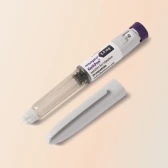
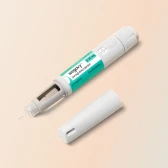
Minoxidil is the only licensed treatment for female pattern hair loss. Applying it consistently can help stimulate follicles and improve hair density over time. Patience is essential, though, as results usually take several months to appear.
Hair thinning isn’t something you have to just accept
Voy’s science-backed treatments are designed to help reduce shedding and support fuller-looking hair over time. Take our hair assessment to find the plan that’s right for you.
2. Hormone support
Hormone replacement therapy (HRT) is not used specifically for hair loss, but some women see improvement alongside relief from other menopausal symptoms. Ask your doctor what they recommend, as HRT isn’t suitable for everyone.
Even without HRT, supporting your hormones naturally, through stress management, good sleep, and balanced nutrition, can help too. Chronic stress and poor sleep can further disrupt hormonal balance during perimenopause.
3. Nutrition and supplements
Feeding your hair from the inside matters. Some important nutrients to focus on in your diet for hair health are:
- Iron and vitamin D
- Biotin and B-complex vitamins
- Zinc and selenium
- Omega-3 fatty acids
A nutritionist can help you identify what your body truly needs, recommend diet changes, and determine whether a supplement might be beneficial.
If you’re looking for extra support, hair vitamins may help support healthy hair growth alongside your wider hair care routine.
How to stop perimenopause hair loss naturally
You can’t stop perimenopause itself (it’s just another phase of life), but small lifestyle tweaks can make a meaningful difference to perimenopausal symptoms.
- Manage stress with mindfulness, yoga, or therapy.
- Prioritise 7–9 hours of sleep.
- Eat a nutrient-rich diet.
- Stay hydrated.
- Exercise regularly to boost circulation.
- Limit smoking and alcohol.
When to seek help for perimenopause hair loss
If your hair loss is sudden, severe, or accompanied by bald patches or scalp irritation, consult a dermatologist or healthcare provider. They can test for hormonal imbalances, nutrient deficiencies or underlying conditions.
Get your confidence back
Hair loss during perimenopause can be distressing, but it doesn’t have to define this stage of life. Understanding the causes, seeking compassionate care and taking practical steps can help you regain confidence in your hair.
Want to see if Voy’s science-backed hair growth products can help you? Take our quick quiz, and a friendly healthcare professional will get back to you asap.
DisclaimerAt Voy, we ensure that everything you read in our blog is medically reviewed and approved. However, the information provided is not meant to replace professional medical advice, diagnosis, or treatment. It should not be relied upon for specific medical advice.
References

Gupta, Aditya K et al. “Menopause and Hair Loss in Women: Exploring the Hormonal Transition.” Maturitas vol. 198 (2025): 108378. doi:10.1016/j.maturitas.2025.108378.
“Hair loss.” NHS. https://www.nhs.uk/symptoms/hair-loss/. Accessed 12 Jan 2026.