
















“Hair Loss.” NHS. https://www.nhs.uk/symptoms/hair-loss/. Accessed 14 Jan. 2026.
Noticing more hair in the shower drain or on your pillow can trigger worry and confusion. It’s natural to start looking for possible causes of your hair loss, and one question that comes up again and again is: “Can shampoo cause hair loss in women?”
Here’s what the science actually says about shampoo and hair loss.
Key Takeaways
- Shampoo does not cause hair loss at the follicle level.
- Seeing hair in the shower is normal. Most women lose 50–150 hairs a day, and wash days simply make shedding more noticeable.
- Scalp irritation can worsen shedding. Ingredients that trigger itching or inflammation may contribute to breakage or temporary shedding in sensitive individuals.
- Persistent hair thinning usually has other causes. Hormones, iron deficiency, thyroid issues, stress, genetics and autoimmune conditions are far more common drivers of female hair loss.
- If you’re worried, seek medical advice. A GP or dermatologist can help identify underlying causes and guide you toward evidence-based treatments like topical minoxidil where appropriate.
Does shampoo cause hair loss? What the research says
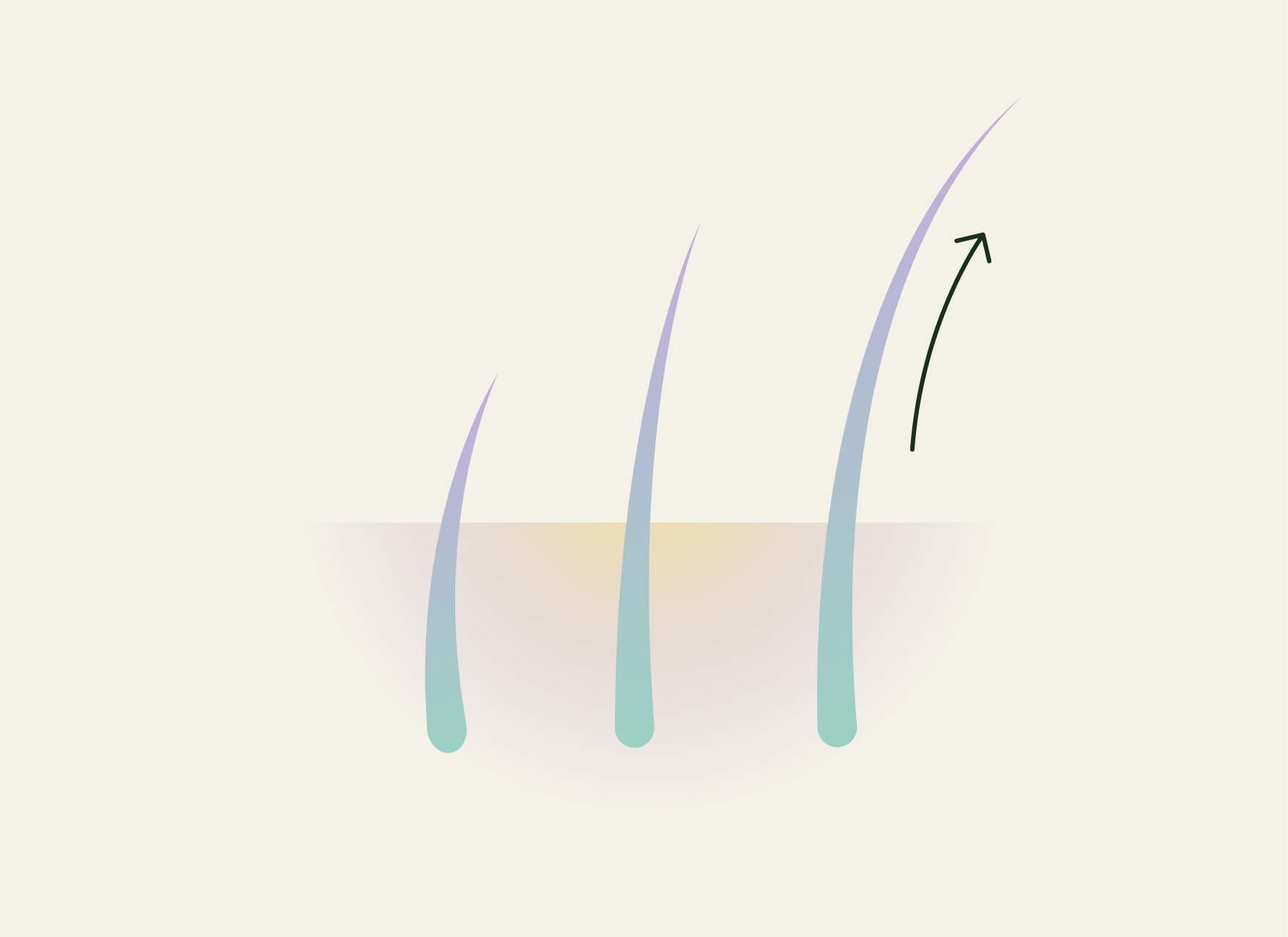
The short answer is that shampoo itself is unlikely to cause hair loss. Your hair grows from follicles located beneath your scalp’s surface. Because you rinse your shampoo off, it doesn’t penetrate deeply enough to damage follicles or stop hair from growing.
So when you see hair loss in the shower, it’s usually hair that was already in its shedding phase of growth. Shampooing just helps it detach all at once rather than gradually throughout the day.
Good to know: it's normal to lose 50-150 hairs daily, and this is often concentrated on wash days.
In other words, washing your hair doesn’t make it fall out, it simply reveals shedding that was already going to happen.
Shampoo ingredients that can impact your hair
That said, while shampoo doesn’t cause hair loss at the root, it can influence how your scalp and hair feel and behave, especially if you’re prone to irritation or breakage.
Some ingredients are known to be harsher on certain hair types or sensitive scalps. Sulfates, for example, are effective cleansers but can strip natural oils if used frequently, leaving hair dry and brittle. Fragranced compounds and some preservatives can irritate the scalp in susceptible people, potentially leading to itching and therefore scratching, all of which can worsen hair breakage.
But breakage is not the same as hair loss. Hair that snaps along the shaft still comes from a healthy follicle and can regrow. But when a lot of breakage happens at once, especially during washing, it can look and feel alarming.
How to wash your hair to prevent hair loss
How you wash your hair might matter just as much as what you wash it with.
Over-washing can strip protective oils that keep hair flexible and resilient, while under-washing can lead to scalp buildup, inflammation and itching. There’s no universal “right” frequency, but for many women, washing every two to three days is a good starting point.
Gentle handling is key. Hair is at its most fragile when wet, so aggressive scrubbing, very hot water, or rough towel-drying can increase breakage.
When to see a doctor
If hair loss is getting you down, it’s worth seeing a GP or dermatologist.
Many common causes of female hair loss have nothing to do with haircare at all. Hormonal shifts (including perimenopause, menopause or coming off contraception), thyroid conditions, iron deficiency, stress-related telogen effluvium, autoimmune conditions, and genetic female pattern hair loss (sometimes called female pattern baldness) are potential explanations.
What can you do about female hair loss?
So if shampoo isn’t the cause of hair loss, what can you do if you’ve noticed changes in your mane?
Depending on what’s driving your hair loss, options may include treating underlying nutrient deficiencies, managing hormonal changes, addressing scalp inflammation, or, in cases of female pattern hair loss, considering evidence-based treatments such as topical minoxidil. After using it, many women see improvements, like a slowing or stopping of balding, and thicker hair.
Lifestyle factors like stress, sleep and nutrition also play a meaningful supporting role.
Hair thinning isn’t something you have to just accept
Voy’s science-backed treatments are designed to help reduce shedding and support fuller-looking hair over time. Take our hair assessment to find the plan that’s right for you.
Get your confidence back
Shampoo doesn’t cause hair loss in women, but hair loss can show up during shampooing, which is why the two so often get linked.
If you’ve noticed your hair changing, take Voy’s quick hair loss quiz. A clinician will review your answers and guide you on the next steps to help your hair feel healthier and stronger.