


















Dhurat, Rachita, and Mathapati, Sukesh. “Response to Microneedling Treatment in Men with Androgenetic Alopecia who Failed to Respond to Conventional Therapy,” Indian Journal of Dermatology, vol. 60, issue 3, 2015:260-263 https://pmc.ncbi.nlm.nih.gov/articles/PMC4458936/.
It usually takes 3-6 months to start seeing changes on finasteride. But for best results, most people need to use it for at least a year.
Everyone responds to medicine differently. But based on what we know from scientific research, here’s how a typical finasteride timeline might look.
Key Takeaways
- Finasteride has an effect on your body right away, but it takes 3-6 months for visible results
- Peak results typically occur after around a year of consistent use
- Continued use is necessary to maintain results. Stopping allows DHT levels and hair loss to return
- Long-term improvements have been reported over five years and beyond on finasteride
Finasteride timeline
So, how long does it take for finasteride to work? It will start working as soon as you take it. But these effects won’t be visible right away.
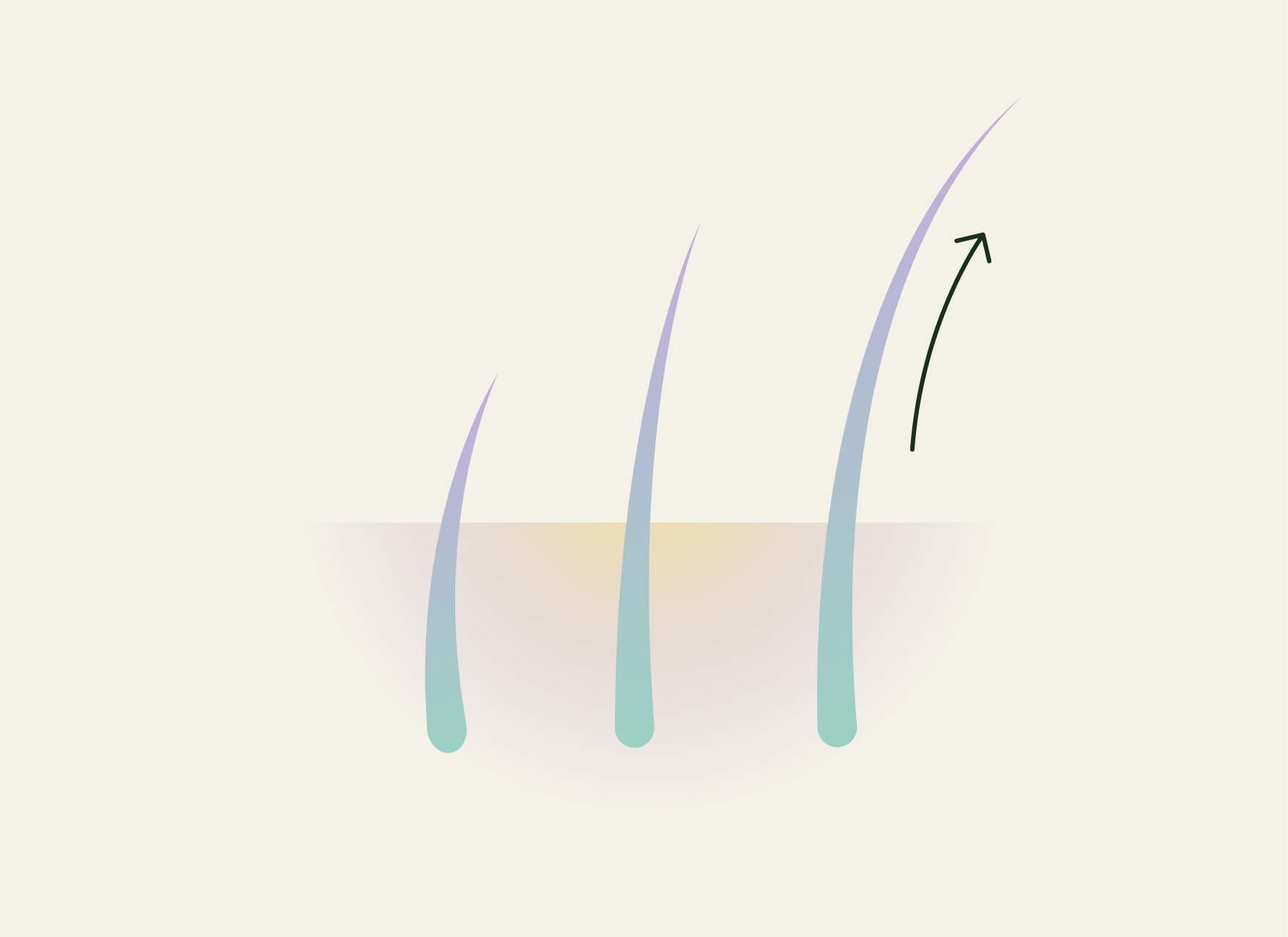
While it only takes about three days for finasteride to reach a consistent level in your blood, you might wait at least three months to notice an impact on your hair. Why? Because it takes time for new hairs to grow long enough to be visible.
Good to know: finasteride can both prevent further hair loss and encourage regrowth.
1-3 months
You aren’t likely to see any changes yet. But finasteride is already having an effect on your body: it’s been shown to reduce DHT levels by 65% within 24 hours.
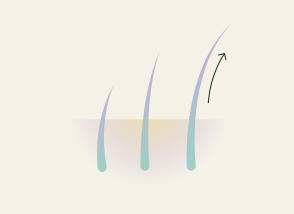
Some people notice increased hair shedding when they start on finasteride. This is temporary and usually settles on its own. You could think of it as “resetting” your hair growth cycle: your follicles are making way for new hairs by shedding their existing ones.
3-6 months
When people ask: “How long does it take finasteride to work?,” three-six months is the standard answer. This is when you should start to notice visible hair growth.
Per an analysis of multiple studies, men had significantly increased hair count after 24 weeks (about 5.5 months) on 1mg/day oral finasteride. And in another clinical trial, men taking 1mg finasteride tablets saw improvements by the 12-week mark.
After 1 year
By now, your results should have ramped up. You should visibly have more hair—and it will likely be thicker, too.
Most men see peak results after around a year. Though some will see continued (yet incremental) gains. More on this below.
What are the first signs that finasteride is working?
Ironically, one of the first things you might notice is an increase in hair shedding. As we explained earlier, this is normal and temporary: it means your follicles are making way for new hairs to grow.
After your first few months, you might clock that you’re losing less hair. Fewer strands might come out in the shower, for example.
You might then start to see hair regrowth around the 3-6 month mark. This could be on the crown of your head, around your hairline or temples.
Long-term results from finasteride
You need to keep taking finasteride to maintain your results. Finasteride works by blocking DHT, the hormone responsible for hair loss. If you stop taking it, DHT levels return to normal and your hair loss will progress as it would have naturally.
A five-year study showed that over 80% of men who stuck with finasteride were able to keep their existing hair. While most gains are made within the first year, some men continue to see gradual improvements. In one study, 21% of men taking daily finasteride saw continual improvement in hair count beyond the five-year mark.
Another notes that hair quality was visibility better after two years on finasteride compared to one.
Ready to regain your confidence?
Take the hair quiz today and we’ll recommend a treatment plan designed to stop hair loss and power regrowth.
Maximising results
Here’s how to get the most out of finasteride:
- Stick with it. For best results, take finasteride consistently for the long run
- Don’t take more than your prescribed dose. This won’t lead to better results: you’ll just have a higher chance of side effects
- Use it alongside minoxidil, another hair loss treatment. Studies show that these two medicines are most effective when used together
- Consider microneedling. Studies show that this can boost follicle stimulation. Don’t do this yourself: book in with a qualified professional
- Use a hair loss shampoo for men to help maintain a healthy scalp, and use hair growth vitamins to help support overall hair health during treatment.
Discover hair loss treatments
Struggling with thinning hair or a receding hairline? Our exclusive, science-backed formulas are proven to slow down hair loss and help regrowth.
Trusted by over 500,000 men
Science-backed formulas you can’t get elsewhere
Effective in 9 out of 10 men using our combined approach
Get your confidence back
The sooner you get started on hair loss medicine, the better. That’s because it can prevent further losses—all while encouraging new hairs to grow.
Take our quiz to find out which scientifically-backed treatment is best for you. Then, our clinicians will put together a personalised plan to get your hair back.