
















Chen, Li, et al. “The Efficacy and Safety of Finasteride Combined with Topical Minoxidil for Androgenic Alopecia: A Systematic Review and Meta-analysis,” Aesthetic Plastic Surgery, vol. 44, 2020:962-970. https://link.springer.com/article/10.1007/s00266-020-01621-5.
Finasteride and minoxidil are the two treatments licensed for hair loss in the UK. But can you use them together? The short answer is yes, and doing so might actually give you better results than using either treatment alone.
Finasteride targets the hormonal cause of hair loss, while minoxidil works directly on your scalp to stimulate growth.
Key Takeaways
- Finasteride and minoxidil work through different mechanisms and don't interact, making combination therapy safe
- Research consistently shows combination therapy is more effective than using either treatment alone
- Most men notice initial results within 3 to 6 months, with maximum effects around 12 months
What are finasteride and minoxidil?
They're both licensed medicines that treat male pattern hair loss, but they work in completely different ways.
What is minoxidil?
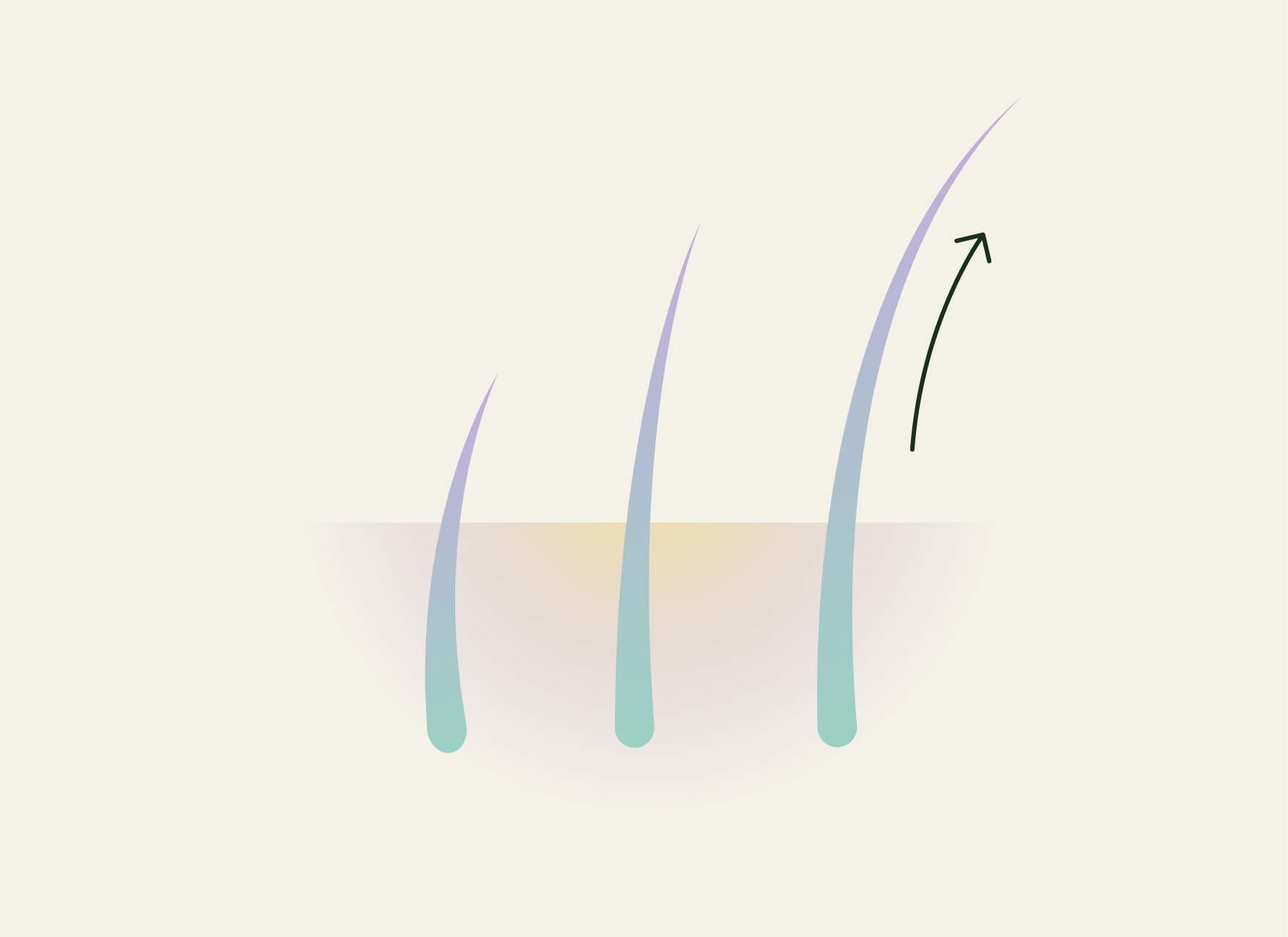
Minoxidil is most commonly used for hair loss as a topical treatment that you apply directly to your scalp. It works by widening blood vessels and increasing blood flow to your hair follicles, which helps stimulate growth and can prolong the growing phase of your hair cycle.
Minoxidil was originally developed as medication for high blood pressure, and its hair growth effects were discovered as a side effect. For hair loss, minoxidil is most commonly used as a topical spray or foam solution applied directly to the scalp.
What is finasteride?
Finasteride is an oral tablet that works by blocking DHT (dihydrotestosterone). DHT is the hormone responsible for male pattern baldness. It causes your hair follicles to gradually shrink over time until they eventually stop producing new hair. By reducing DHT levels, finasteride helps prevent further hair loss and can promote regrowth.
Finasteride is also commonly prescribed at higher doses to treat benign prostatic hyperplasia (an enlarged prostate).
What’s the difference between finasteride and minoxidil?
Both medicines can prevent further hair loss and promote regrowth, but they're fundamentally different treatments.
How they work:
Finasteride blocks DHT, the hormone that causes male pattern baldness. Minoxidil stimulates blood flow to your hair follicles and prolongs the growth phase of your hair cycle. Because they target hair loss through completely different mechanisms, they complement each other well when used together.
Effectiveness:
Clinical studies suggest finasteride generally shows better results for male pattern baldness. However, both treatments are effective, and individual results vary. Research consistently shows that combining them produces the best outcomes.
Formulations and dosing:
Finasteride is licensed as a 1mg oral tablet taken once daily for hair loss. Minoxidil is licensed as a topical solution (2% and 5%) applied twice daily for hair loss.
Your provider may also prescribe other formulations depending on your individual needs.
Side effects:
Each medication has its own potential side effects, which can also vary depending on the formulation.
Can you take finasteride and minoxidil together?
Yes, you can safely use finasteride and minoxidil at the same time. Because they work through different mechanisms and don't interact with each other, there are no safety concerns with combining them. In fact, research shows they're more effective together than either treatment alone.
That said, not everyone needs both medications. Your provider can help you decide whether combination therapy or a single treatment is right for you.
Does using minoxidil and finasteride together really work?
Yes, it does. The reason combination therapy is so effective is that these medications complement each other by targeting different aspects of hair loss:
- Finasteride prevents further damage by blocking DHT, the hormone that causes your hair follicles to shrink. This stops the progression of male pattern baldness and allows your follicles to recover.
- Minoxidil actively stimulates hair growth by increasing blood flow to your follicles and prolonging their growth phase. This helps produce thicker, healthier hair.
Together, they create a two-pronged approach: finasteride addresses the underlying hormonal cause while minoxidil promotes active regrowth. This is why studies consistently show better results with combination therapy than with either treatment alone.
Finasteride and minoxidil results
Research shows that using finasteride and minoxidil together works better than using either drug alone (monotherapy).
- One study found that 94.1% of men on both medicines showed an improvement compared to those taking just finasteride (80.5%) or minoxidil (59%).
- A 2020 systematic review of five clinical trials found that men taking both drugs had significantly more visible hair than those on monotherapy.
- A 2025 meta-analysis of seven trials confirmed that combination therapy produces superior results, with improved hair density and overall hair growth.
Ready to regain your confidence?
Take the hair quiz today and we’ll recommend a treatment plan designed to stop hair loss and power regrowth.
How long do they take to work?
Most men notice initial improvements within 3 to 6 months of consistent daily use with both medications.
Maximum results typically appear around 12 months. After that, you'll need to continue treatment to maintain the improvements you've achieved.
How do you use finasteride and minoxidil together?
This depends on which formulations you're using.
If you're using oral finasteride with topical minoxidil:
You'll follow two separate sets of instructions.
Finasteride tablet:
- Take one tablet once daily
- Take it at roughly the same time each day for consistency
- You can take it with or without food
- Apply to clean, dry scalp
- 5% spray: apply twice daily (morning and evening), leaving at least 12 hours between doses
- Higher concentrations: apply once daily
- Wait at least 4 hours before washing your hair or getting your scalp wet
- Wash your hands thoroughly before and after application
If you're using a combined topical treatment:
If you've been prescribed a combined spray or a different concentration of minoxidil, you'll follow a single set of application instructions specific to that product. Your provider will give you detailed guidance on how to use it.
Discover hair loss treatments
Struggling with thinning hair or a receding hairline? Our exclusive, science-backed formulas are proven to slow down hair loss and help regrowth.
Trusted by over 500,000 men
Science-backed formulas you can’t get elsewhere
Effective in 9 out of 10 men using our combined approach
Minoxidil and finasteride side effects
Because these medications don't interact with each other, using them together doesn't cause any additional side effects beyond what each medication may cause individually.
You should be aware of the potential side effects from each treatment, which can vary depending on the formulation.
Check out our guides to minoxidil side effects and finasteride side effects to learn more.
What else can help with hair loss?
While finasteride and minoxidil are the most effective licensed treatments, there are some additional approaches that may support hair health:
- Microneedling: This may enhance the effectiveness of topical treatments like minoxidil by improving absorption and may boost follicle stimulation. Don’t try this at home: see a qualified provider
- Lifestyle factors: Eating a nutritious diet rich in protein, iron, and vitamins, along with not smoking, can support overall hair health.
- Hair care products: Some shampoos and lotions claim to help with hair loss, though evidence for their effectiveness is limited.
Get your hair back
Get finasteride and minoxidil here at Voy. Take our quiz to get started.