

















“About Continuous Combined HRT.” NHS. https://www.nhs.uk/medicines/hormone-replacement-therapy-hrt/continuous-combined-hormone-replacement-therapy-hrt-tablets-capsules-and-patches/about-continuous-combined-hrt/. Accessed 22 Apr. 2026.
Key takeaways
- Some bleeding is normal when starting HRT.
- The type of bleeding you experience often depends on which HRT regimen you're on.
- Persistent, heavy or unexpected bleeding should always be discussed with a clinician.
- Unscheduled bleeding can often be managed by adjusting your dose or type of HRT.

Starting hormone replacement therapy (HRT) can bring real relief from perimenopausal and menopausal symptoms such as hot flushes, poor sleep and low mood. So it can be unsettling when bleeding appears, especially if you thought your periods were behind you.
Bleeding on HRT is common and it doesn't necessarily mean something is wrong. That said, not all bleeding is the same. Here’s what could be going on.
Is bleeding on HRT normal?
Bleeding on HRT can be normal, but it depends on the type of HRT you're taking and where you are in your menopause journey. Up to 40% of women using HRT experience unscheduled bleeding (that’s any vaginal bleeding that happens outside of the expected pattern for the type of HRT you’re using).
Bleeding on cyclical HRT
If you're on cyclical (sequential) HRT, regular withdrawal bleeds are expected and by design. And when you first start taking it, you might experience some breakthrough bleeding at other times while your body gets used to the hormones.
It’s also quite common to experience breakthrough bleeding on cyclical HRT once you’ve been taking it for a few years, due to declining hormones as you move closer to menopause. If this happens, it’s still important to continue taking your cyclical HRT as prescribed.
Bleeding on continuous HRT
If you're on continuous combined HRT, bleeding should eventually stop altogether, but many people experience some irregular spotting at first.
Unscheduled bleeding in the first few months of continuous combined HRT is generally considered normal and often resolves on its own. Other HRT side effects can happen during this adjustment period too.
Speak to your doctor or menopause clinician if you’re experiencing heavy, prolonged or persistent bleeding, particularly after 6 months on a stable treatment routine.
Types of bleeding on HRT
Doctors refer to a few different types of bleeding when it comes to HRT.
Withdrawal bleeds (cyclical HRT)
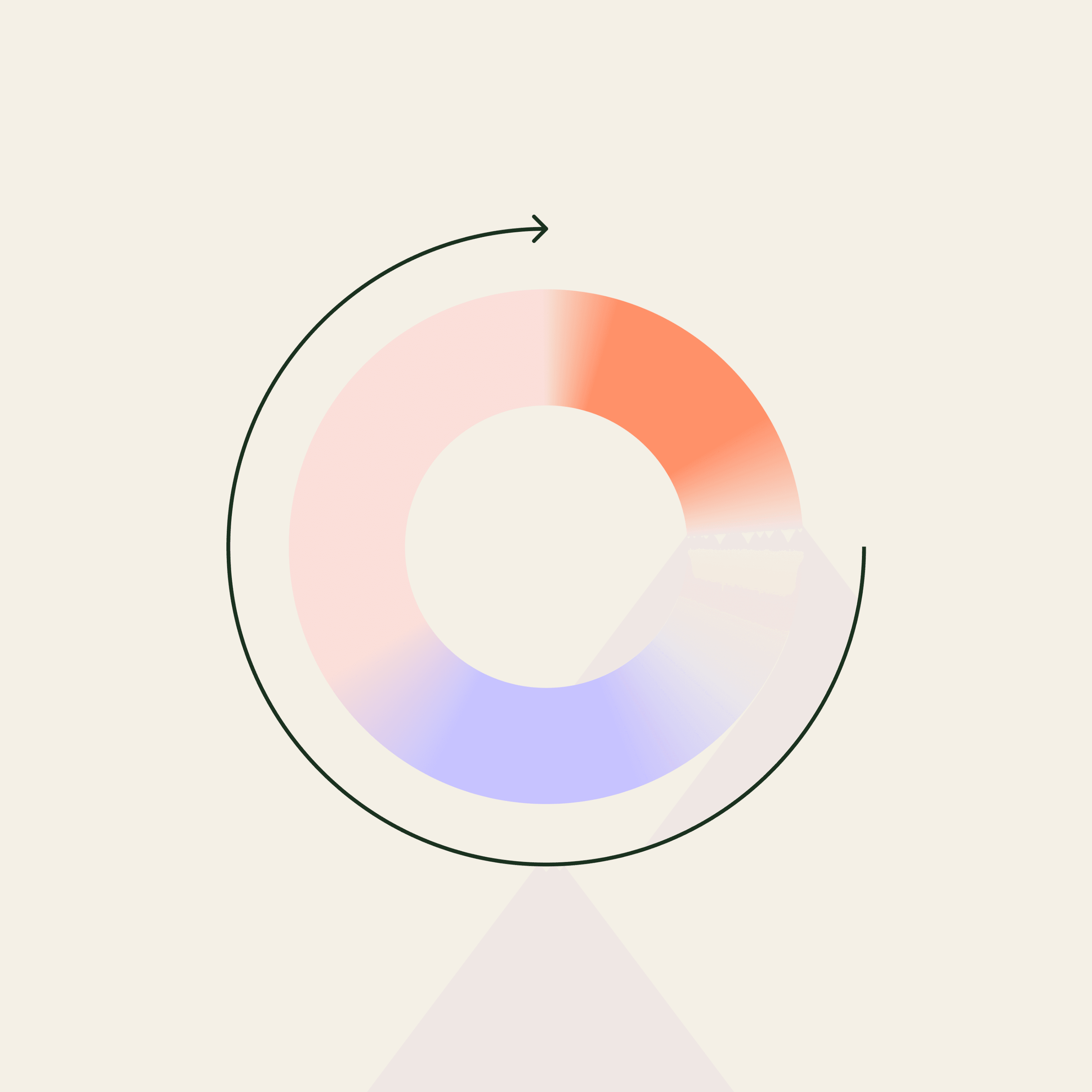
If you're on sequential or cyclical HRT, where you take oestrogen throughout the month and progesterone for 10 to 14 days, a monthly withdrawal bleed at the end of the progesterone phase is normal and anticipated. Think of it as similar to a period, triggered by the drop in progesterone.
Breakthrough bleeding
Breakthrough bleeding on HRT refers to unscheduled bleeding that occurs outside of the expected withdrawal bleed window, or any bleeding on continuous combined HRT.
Irregular or unscheduled bleeding
This includes spotting or light bleeding at unpredictable times. It's particularly common in the first 3 to 6 months of taking HRT, as your womb lining stabilises. After this period, it should settle. But if you’re still experiencing bleeding after 6 months, chat to your doctor.
Heavy bleeding on HRT
Heavier-than-expected bleeding, whether during a withdrawal bleed or outside of it, should always be discussed with your clinician. It may point to an underlying condition, or the type or dose of your HRT might just need a tweak.
What causes bleeding on HRT?
Hormonal changes are usually the cause of bleeding on HRT. Here’s the science behind it.
Hormonal adjustment
When you first start HRT, your body often needs time to adapt. Fluctuating oestrogen and progesterone levels during this settling-in period can cause your uterine lining to behave unpredictably, resulting in spotting or irregular bleeding.
Imbalance between oestrogen and progesterone
Or it could be an imbalance between the two hormones. For instance, too much oestrogen relative to progesterone can stimulate the uterine lining excessively, causing it to shed unpredictably, resulting in bleeding.
HRT dose or formulation
Some women find that switching their dose or delivery method (such as from a tablet to the coil) reduces unscheduled bleeding significantly.
Starting continuous combined HRT too early
Continuous combined HRT is typically recommended for women who are at least one year post-menopause. Starting it while still perimenopausal is a common cause of unpredictable bleeding.
What causes bleeding on continuous HRT?
Continuous combined HRT delivers hormones every day, with no breaks. But it can take a little while for your body to settle into the routine, so bleeding within the first few months isn’t uncommon.
If heavy bleeding on continuous HRT continues beyond 6 months, or if it restarts after some time of being bleed-free, you should see your doctor.
Bleeding on HRT patches or gel
HRT patches or gels generally deliver the hormones more steadily than tablets, which can mean fewer fluctuations and, for some women, a more predictable bleeding pattern. But it can still take some time for your body to adjust.
If you're experiencing bleeding while on HRT patches, it's worth checking whether your patch is being applied correctly, changed on schedule, and rotated to clean, dry skin. Similarly, with gel, applying it to the same area repeatedly or showering too soon after application can affect absorption.
Speak to your doctor if you’re experiencing bleeding on HRT patches that persists beyond the initial adjustment period, or if it’s heavy or unpredictable.
Postmenopausal bleeding on HRT
Any bleeding after menopause (defined as 12 months without a period) needs to be taken seriously, whether you're on HRT or not. Postmenopausal bleeding on HRT can sometimes be explained by the HRT itself (particularly if you've recently started or changed your treatment routine), but it should always be discussed with your doctor.
Postmenopausal bleeding should always be investigated promptly, don't wait to see if it stops on its own. Most of the time there's nothing seriously wrong, but bleeding after menopause can sometimes be an early sign of womb cancer. Finding it early makes it much easier to treat successfully.
What else can cause bleeding?
In some cases, bleeding while on HRT is unrelated to the HRT itself. Uterine fibroids, polyps, endometrial hyperplasia, or, rarely, endometrial cancer can all cause abnormal bleeding. This is why persistent or unexplained bleeding is always worth investigating, regardless of how long you've been on HRT.
When should you worry about bleeding on HRT?
Most bleeding in the first few months of a new HRT regimen is likely nothing to worry about. But there are circumstances where you should seek medical advice promptly:
- Bleeding that begins after six or more months of being bleed-free on continuous combined HRT
- Bleeding that is heavy, prolonged or accompanied by pain
- Any bleeding after menopause that isn't clearly explained by your HRT routine
- Bleeding that started after you changed your HRT dose or type that doesn't settle within a few months
At Voy, our clinicians are experienced in managing exactly these kinds of concerns. If you're worried about bleeding on your current treatment plan, we can help you review it.
How to stop bleeding on HRT
The right approach depends on what's causing the bleeding. Common options include:
Adjusting the progesterone dose or type. If oestrogen and progesterone are out of balance, increasing progesterone or switching to a different form often resolves the issue.
Switching HRT regimen. If you started continuous combined HRT while still perimenopausal, moving to cyclical HRT may reduce irregular bleeding. Continuous HRT generally isn’t recommended while you’re still having periods.
Adjusting oestrogen dose. In some cases, your oestrogen dose may be higher than needed, causing excessive stimulation of your uterine lining.
Waiting. If you're within the first six months of continuous combined HRT and the bleeding is light and sporadic, the most appropriate course of action may simply be to monitor. Many women find that HRT bleeding resolves on its own.
Personalised menopause care
Bleeding on HRT is quite common, and it doesn't automatically mean something is wrong. But it's also not something to simply put up with or ignore.
At Voy, our clinicians specialise in personalised menopause care. If bleeding is making you question your current treatment, or if you're not sure whether what you're experiencing is normal, we're here to help you find a plan that works. Take our short quiz to get started.