








Bailey, Tom G et al. “Exercise Training Reduces the Frequency of Menopausal Hot Flushes by Improving Thermoregulatory Control.” Menopause (New York, N.Y.) vol. 23,7 (2016): 708-18. doi:10.1097/GME.0000000000000625.
If you're thinking about stopping HRT, it's natural to wonder what might happen next. Will your symptoms come back? Is it better to stop gradually or all at once? And is bleeding after stopping HRT normal?
Here’s what you need to know about stopping HRT and making the transition easier.
Key takeaways
- Stopping HRT may cause menopausal symptoms such as hot flushes, night sweats, headaches and mood changes to return.
- Symptoms are often more noticeable if you stop HRT suddenly rather than gradually reducing your dose.
- Some women experience bleeding after stopping HRT.
- If symptoms return and affect your quality of life, you could restart HRT.

What happens when you stop HRT?
HRT works to treat menopausal symptoms by replacing hormones, primarily oestrogen (plus progesterone to protect your womb), that naturally fluctuate and then decline during perimenopause and menopause. It’s the most effective treatment for menopausal symptoms, and there are other benefits too.
But some women do decide to stop HRT, for a variety of reasons. Some find that their menopausal symptoms have naturally eased, and they feel ready to see how they get on without hormonal support. Some stop because a new health consideration means HRT might not be the best option anymore. Some stop because they don’t think HRT is helping.
If you're considering stopping HRT, chat to your clinician first to discuss the best options for you and potential alternative treatments. It doesn’t necessarily mean your HRT isn’t working.
Sometimes all that’s needed is a tweak to your prescription. Your doctor might suggest changing your dose or switching to another type of HRT.
When you stop HRT, your hormone levels begin to fall again, which could trigger the symptoms you were taking it for in the first place to return.
However, your body is not dependent on HRT, and it is safe to stop if you decide to. It’s the sudden shift in hormones, in any direction, that can set off symptoms.
Side effects of stopping HRT suddenly
You can choose to stop HRT suddenly, but doctors usually recommend reducing your dose gradually over 3 to 6 months. Stopping HRT “cold turkey” can trigger symptoms like hot flushes and sleep problems to come back abruptly.
Symptoms that can happen when you stop HRT suddenly include:
Headaches
Some women experience headaches when coming off HRT due to hormonal changes. If you've previously noticed headaches around your menstrual cycle, you may be more sensitive to hormonal fluctuations.
Hot flushes, night sweats and sleep problems
Hot flushes are among the most common side effects of stopping HRT suddenly. If HRT has been effectively controlling your symptoms, they may return within days or weeks of stopping treatment.
Weight gain and joint pain
Many women worry about weight gain after stopping HRT. Stopping HRT doesn't directly cause weight gain. But symptoms such as poor sleep, low mood and fatigue may make it easier to gain weight over time.
Joint pain
Joint aches and stiffness can also return after stopping treatment because oestrogen helps maintain joint health.
Feeling unwell after coming off HRT
Beyond the more obvious symptoms, some women describe a flatness of mood, heightened anxiety, poor concentration, or a general sense that everything feels harder than it should when they stop taking HRT.
Oestrogen can influence a lot, including important brain chemicals that regulate mood, motivation and cognitive function, which is why mental health symptoms might intensify after stopping HRT.
Don’t suffer in silence if this is something you experience. Your doctor can take you through treatment options that can make a real difference.
Bleeding after stopping HRT
HRT can sometimes cause unscheduled vaginal bleeding, and so can stopping it.
When you stop HRT, the drop in key hormones oestrogen and progesterone can cause your womb lining to shed. This kind of bleeding is typically light to moderate and settles on its own.
Speak to your doctor, though, if your bleeding is heavy, continues for more than a few weeks or starts again after stopping.
Not sure what’s normal anymore?
When you're experiencing new symptoms, it can be hard to know what’s part of menopause and what’s not. You deserve care that looks at the full picture.
What if you don’t bleed after stopping HRT?
Some women expect a withdrawal bleed after stopping HRT but don't experience one.
A lack of bleeding doesn't necessarily mean anything is wrong. If you're postmenopausal, your womb lining may simply be too thin to produce a noticeable bleed.
How long does HRT stay in your system after stopping?
Most forms of HRT leave the body relatively quickly. Oestrogen from tablets, patches or gels is usually cleared within a few days after stopping treatment.
However, the effects of HRT can last longer. Symptom control may gradually wear off over several weeks as hormone levels decline and the body readjusts.
Can you restart HRT after stopping?
Yes, you can restart HRT after stopping. It doesn’t have to be a permanent decision. Some women try coming off HRT and find that their symptoms return more severely than they expected, or that their quality of life takes a hit they weren't prepared for. There is no shame whatsoever in changing your mind.
Have a fresh conversation with your clinician about restarting, and they’ll help you find the best option for you.
What can help when coming off HRT?
Stopping HRT is a transition, and as with all transitions, support and preparation can make a big difference.
Taper gradually: A 3- to 6-month taper under your clinician's guidance is usually best.
Move your body: Regular exercise is one of the most effective non-hormonal tools for reducing hot flushes, lifting mood, improving sleep and keeping bones strong.
Look after your sleep: If night sweats return, practical things like cooling bedding, a lower room temperature, and a fan beside the bed can genuinely help.
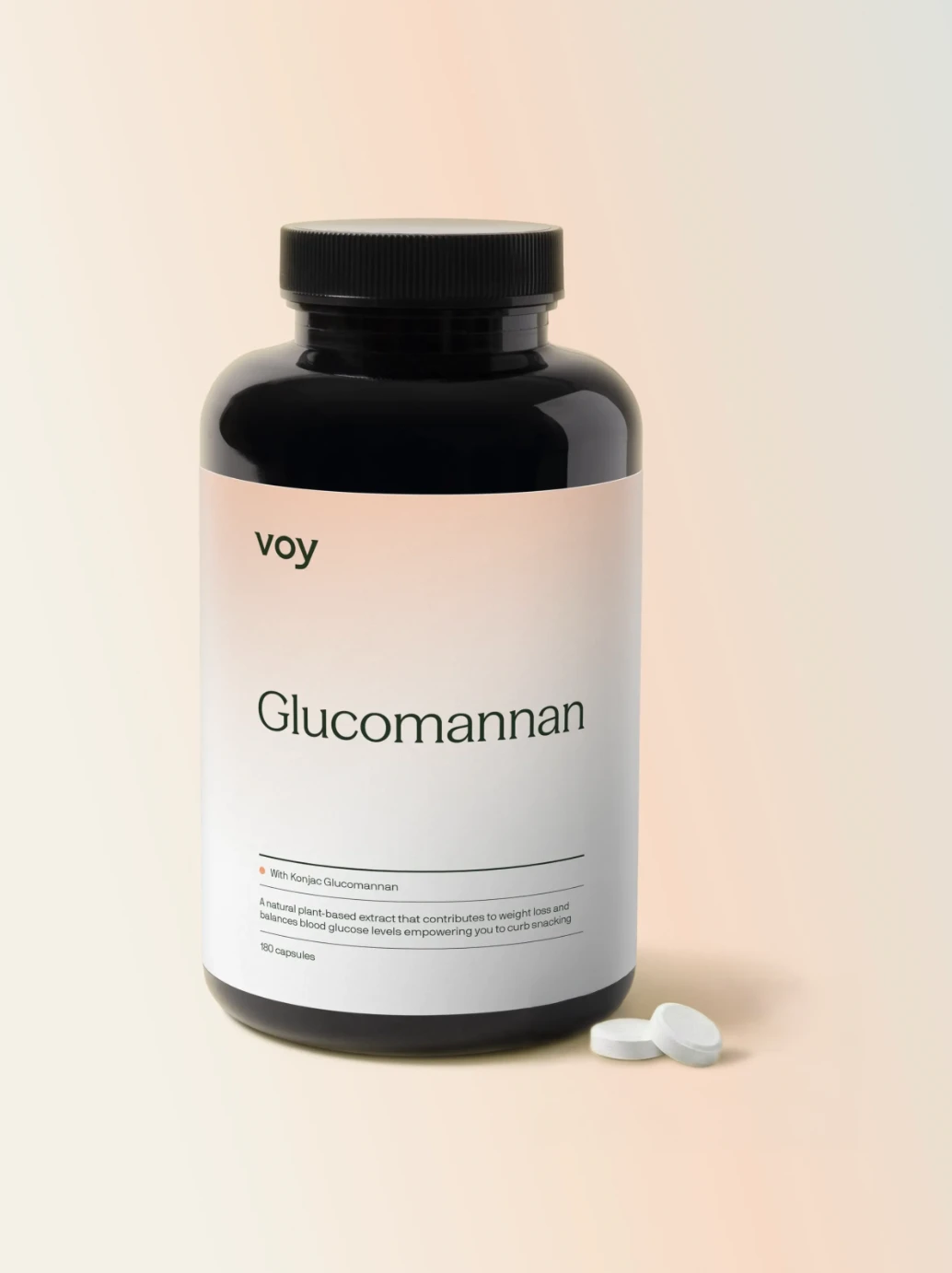
Ask about non-hormonal options: If the return of menopausal symptoms is making life difficult, but you don’t want to keep taking hormones, it's worth exploring other medical treatments or menopause supplements.
Go easy on alcohol and caffeine: Both are known to worsen hot flushes and disrupt sleep.
Should you stop HRT?
There's no single right answer to the question “should you stop HRT?” It’s a personal choice.
What we'd gently push back on is stopping HRT abruptly or without a plan. A review appointment with your doctor is a useful first step. Your symptoms, your dose and the available guidance may all look different now than when you started.
It’s also worth noting that if you’ve had surgical menopause (ovary removal) or been through premature menopause (before age 40), you may be at significantly higher risk of osteoporosis and heart disease, and HRT could be a more critical protector of long-term health for you.
At Voy, our clinicians offer ongoing support, regular reviews and personalised guidance, whether you're thinking about stopping HRT, finding the transition harder than you expected, or wondering about restarting. You don't have to figure this out alone. Get matched to one of our specialists today.