















Dahiya, Parveen, et al. "Burning Mouth Syndrome and Menopause." International Journal of Preventive Medicine, vol. 4, no. 1, 2013, p. 15, https://pmc.ncbi.nlm.nih.gov/articles/PMC3570906/. Accessed 13 Apr. 2026.
Menopause is when your periods stop for good. For some, that brings a sense of relief—no more monthly bleeding. But for others, it can be more complex: a reminder of the end of fertility, and a shift that’s often framed in culture through a lens of decline.
In reality, the years leading to menopause (called perimenopause) are a transition, which can bring a range of symptoms that feel unpredictable, uncomfortable or disruptive to daily life.
Understanding the symptoms of menopause can help you recognise what’s happening in your body and get the right support. Luckily, there are lots of science-backed treatments that can help if menopausal symptoms are stopping you from living life to the full.
Key takeaways
- Menopause symptoms can begin years before your final period.
- The average age of menopause in the UK is 51, but symptoms can begin up to a decade before your final period.
- Symptoms affect both body and mind.
- Treatments, like HRT, can significantly improve your quality of life.

At what age does menopause start?
One of the most common questions about this life stage is: when does menopause actually begin?
The short answer is that it varies, but in the UK, the average age of menopause is 51. This is just part of the picture, though. Menopause officially means when you haven’t had a period for a full year. But women often experience symptoms in the years leading up to menopause (called perimenopause). Once you’ve gone through menopause, you’re said to be in post-menopause.
Perimenopause can begin up to 10 years before your periods fully stop. It usually starts in your 40s, but it can happen earlier.
Perimenopause can bring on symptoms you might associate with menopause, but are not spoken about as much, like anxiety, poor sleep and brain fog. If you have ADHD, hormonal changes during perimenopause can make these symptoms feel more intense. For some women, these hormonal changes can also bring previously undiagnosed ADHD symptoms to the surface.
Symptoms by age
While everyone’s experience is different, here’s a rough guide for the symptoms some people experience as they move towards and beyond menopause.
In your 40s (perimenopause):
This is often where things begin to shift. Periods may become irregular or the length of your period might start to change, sleep can feel more fragile, and mood changes might appear without a clear cause.
In your 50s (menopause):
For many women, this stage brings a clearer awareness of menopausal changes, and periods may have stopped for a while. Although hot flushes and night sweats can ease, it’s common to notice increased mental and physical effects, including brain fog, fatigue, weight gain, vaginal dryness and a sense of losing sight of yourself can become more prominent.
In your 60s and beyond (postmenopause):
By this stage, hormone levels have stabilised at a lower level. Some symptoms ease, but others, like joint stiffness or vaginal dryness, can linger and may need ongoing support.
Early menopause symptoms
For many women, menopause doesn’t begin with a clear signal. Instead, it starts with small, often confusing changes that are easy to overlook.
These are usually the early symptoms of perimenopause, when hormone levels begin to fluctuate.
You might notice sleep becoming more disrupted, or find yourself feeling more irritable, anxious or emotionally sensitive than usual.
Some women also experience early night sweats, breast tenderness, or a dip in energy. Others describe a sense that something feels “off,” even if they can’t quite pinpoint why.
Because these changes can happen gradually, they’re not always immediately linked to menopause. But they’re often the first signs that your body is beginning this transition.
If you’re noticing these kinds of shifts, it can help to start tracking symptoms. Voy’s menopause quiz can help you understand what’s happening and the treatments that could make all the difference.
Menopause symptoms checklist
Menopause doesn’t look the same for everyone. Some women experience just a handful of symptoms; others feel changes across many areas of their health.
Rather than a rigid checklist, it can help to think in terms of patterns.
Physical symptoms of menopause
These are often the most recognisable signs—and the ones people tend to associate first with menopause.
- Hot flushes
- Night sweats
- Irregular periods
- Fatigue
- Headaches
- Joint and muscle pain
- Weight gain
- Bloating
- Breast tenderness
- Dizziness
- Heart palpitations
- Tingling sensations
- Itchy skin
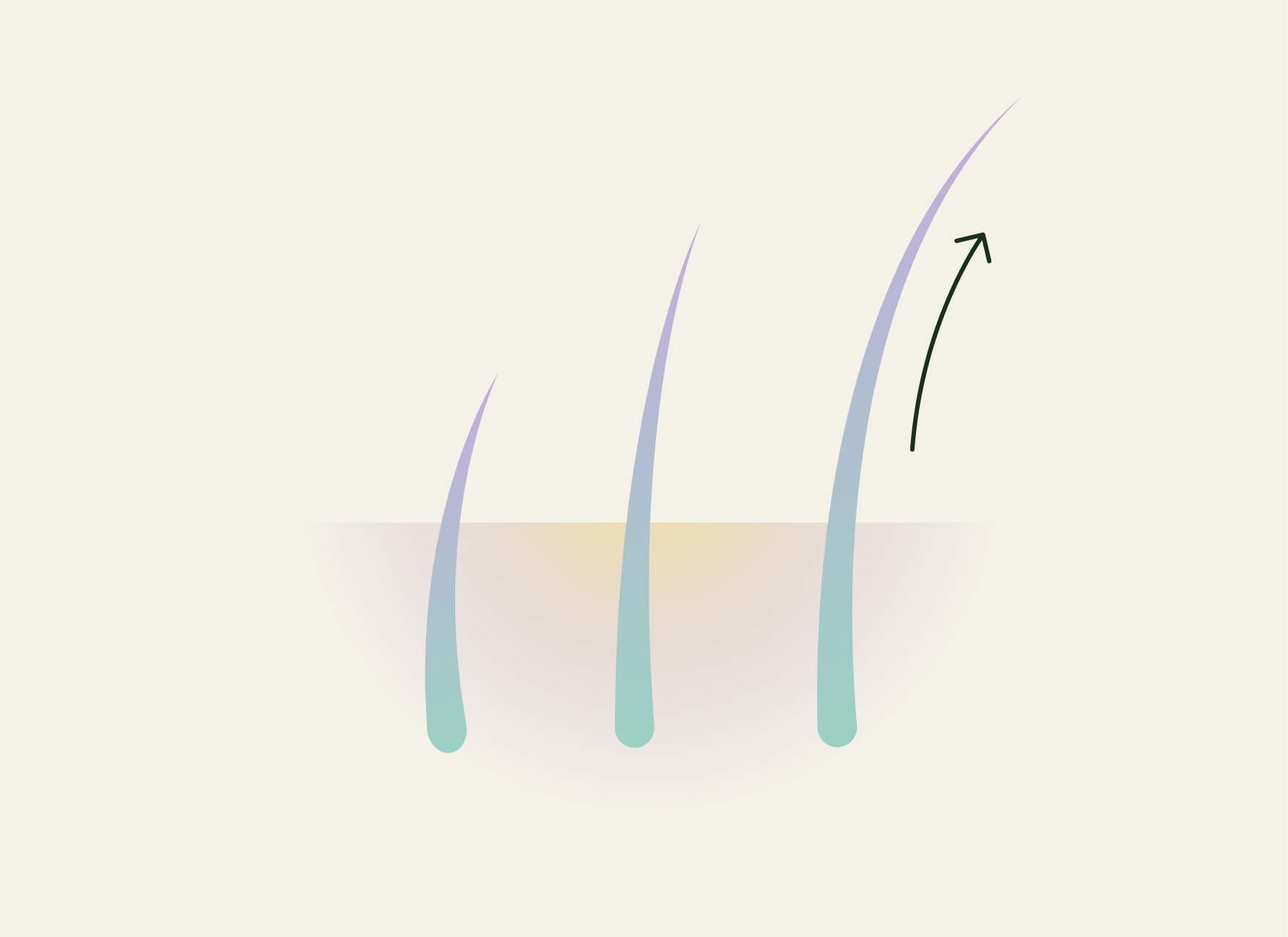
- Hair thinning
- Dry skin
- Sleep problems
Mental and emotional symptoms
Menopause can also affect how you feel day to day, sometimes in ways that are harder to immediately link to hormones.
- Anxiety
- Low mood or depression
- Irritability
- Mood swings
- Brain fog
- Memory problems
- Difficulty concentrating
- Low motivation
Genitourinary and sexual symptoms
Changes in hormone levels can have a direct impact on vaginal and urinary health, as well as sexual well-being.
- Vaginal dryness
- Pain during sex
- Reduced libido
- Recurrent urinary tract infections (UTIs)
- Urinary urgency or incontinence
Less common or unusual menopause symptoms
Alongside the more familiar symptoms, others can feel surprising if you don’t know they’re linked to menopause.
- Burning mouth
- Gum problems
- Changes in body odour
- Tinnitus (ringing in the ears)
- Allergy flare-ups
Not sure what’s normal anymore?
When you're experiencing new symptoms, it can be hard to know what’s part of menopause and what’s not. You deserve care that looks at the full picture.
How long do menopause symptoms last?
Menopause isn’t a fixed timeline. Symptoms often begin several years before your final period and can continue for years afterwards.
It’s not about “waiting it out.” Support can mitigate the impact of uncomfortable or disruptive symptoms and make your perimenopause experience far more manageable.
What causes menopause symptoms?
At the heart of menopause symptoms is a shift in hormones like oestrogen and progesterone.
These hormones affect multiple systems in the body. Temperature regulation becomes more sensitive (leading to hot flushes), brain chemistry shifts (affecting mood and cognition), and tissues in the vagina and urinary tract become thinner and drier.
Postmenopause symptoms (after your periods stop)
If you’re over 50, once you’ve gone 12 months without a period, you’re considered postmenopausal. Under 50? Doctors would class you as having been through menopause if it’s been two years since your last period.
At this stage, some symptoms settle. But others can continue, particularly those linked to low oestrogen, like vaginal dryness, urinary changes, or joint discomfort.
There’s also a longer-term health aspect to consider, including bone density and heart health.
What to do during menopause
If menopause is affecting your quality of life, you don’t have to just put up with it.
There are effective ways to manage menopausal symptoms, and the right approach depends on your individual experience.
Hormone replacement therapy (HRT) can be highly effective for many women, particularly for hot flushes and night sweats. If you’re still deciding whether treatment is right for you, see the signs you need HRT. If you’ve started treatment but symptoms are still ongoing, it may need adjusting—here are the signs your HRT isn’t working.
For others, non-hormonal treatments or targeted therapies (like vaginal oestrogen) may be more appropriate.
Alongside medical options, lifestyle tweaks can help too, such as prioritising sleep, moving your body regularly, and finding ways to manage stress.
Some people also consider menopause supplements, but the evidence varies depending on the option.
The most important thing is that support is not one-size-fits-all. It should be tailored to you. At Voy, our expert clinicians ensure you get a completely personalised menopause plan.
When to speak to a doctor about menopause symptoms
It’s worth reaching out for support if something doesn’t feel right, or especially if you’re experiencing menopause symptoms that are affecting your daily life, or if you experience symptoms before age 45.
You don’t need to wait until things feel unbearable. Getting help earlier can make the whole experience feel more manageable and far less isolating.
Take one small step today by taking Voy’s short menopause quiz and start feeling more like you again, with expert-led treatment.