












Ashtary-Larky, Damoon, et al. “Rapid Weight Loss vs. Slow Weight Loss: Which is More Effective on Body Composition and Metabolic Risk Factors?” International Journal of Endocrinology and Metabolism, vol. 15, no 3, 2017:e13249 https://pmc.ncbi.nlm.nih.gov/articles/PMC5702468/.
When trying to lose weight, it’s easy to get hung up on the numbers on the scale. If you’ve been there—we get it, trust us!
But those numbers aren’t the whole story. They measure the total amount of weight lost, not how much fat. And it’s fat loss in particular that’s beneficial for your health.
That’s why fat loss, rather than overall weight loss, can be a more helpful goal to work towards. So, what’s the difference between the two? Read on to find out.
Stay informed
Sign up to our monthly newsletter "Your Monthly Dose", a two-minute read on what's new in weight loss. Clinical updates and the news worth knowing.
By entering I agree to the Terms and Conditions.
What is weight loss?
Weight loss is the overall reduction in your body weight. It’s a catch-all term that doesn’t distinguish where the dropped weight has come from—that is, whether you’ve lost muscle, fat, or water.
What is fat loss?
On the other hand, fat loss is a reduction in body fat only. It doesn’t include any losses in water or muscle mass.
Ideally, you want to lose fat while preserving muscle. Your muscles play a super important role in keeping you strong and healthy.
A drop in lean muscle mass can disrupt your metabolism, lowering the amount of energy your body uses. It can also increase your risk of injury, cause fatigue, and diminish your muscle function. If you’re curious about how weight-loss injections affect muscle, see our guide on muscle loss on GLP-1s.
Reducing your body fat contributes to the health benefits that are associated with weight loss—like a reduced risk of heart disease—without affecting your muscles.
Can you lose fat without losing weight?
Yes, if you’re gaining muscle at the same time. It’s possible for the muscle you build to make up for the weight dropped from lost fat—and therefore, the number on the scale might stay the same.
Key differences between weight loss and fat loss
Now let’s take a deeper look into the differences between losing weight vs losing fat.
Body composition
The two terms refer to different changes in your body composition. Weight loss is the total amount of weight dropped, whether that’s from fat, muscle, or water. Whereas fat loss is specifically referring to the amount of stored fat you’ve lost.
Losing fat takes longer
Most people tend to lose weight quicker at the start of their weight loss treatment, usually during the first few weeks. That’s because initially, you’re mostly losing water.
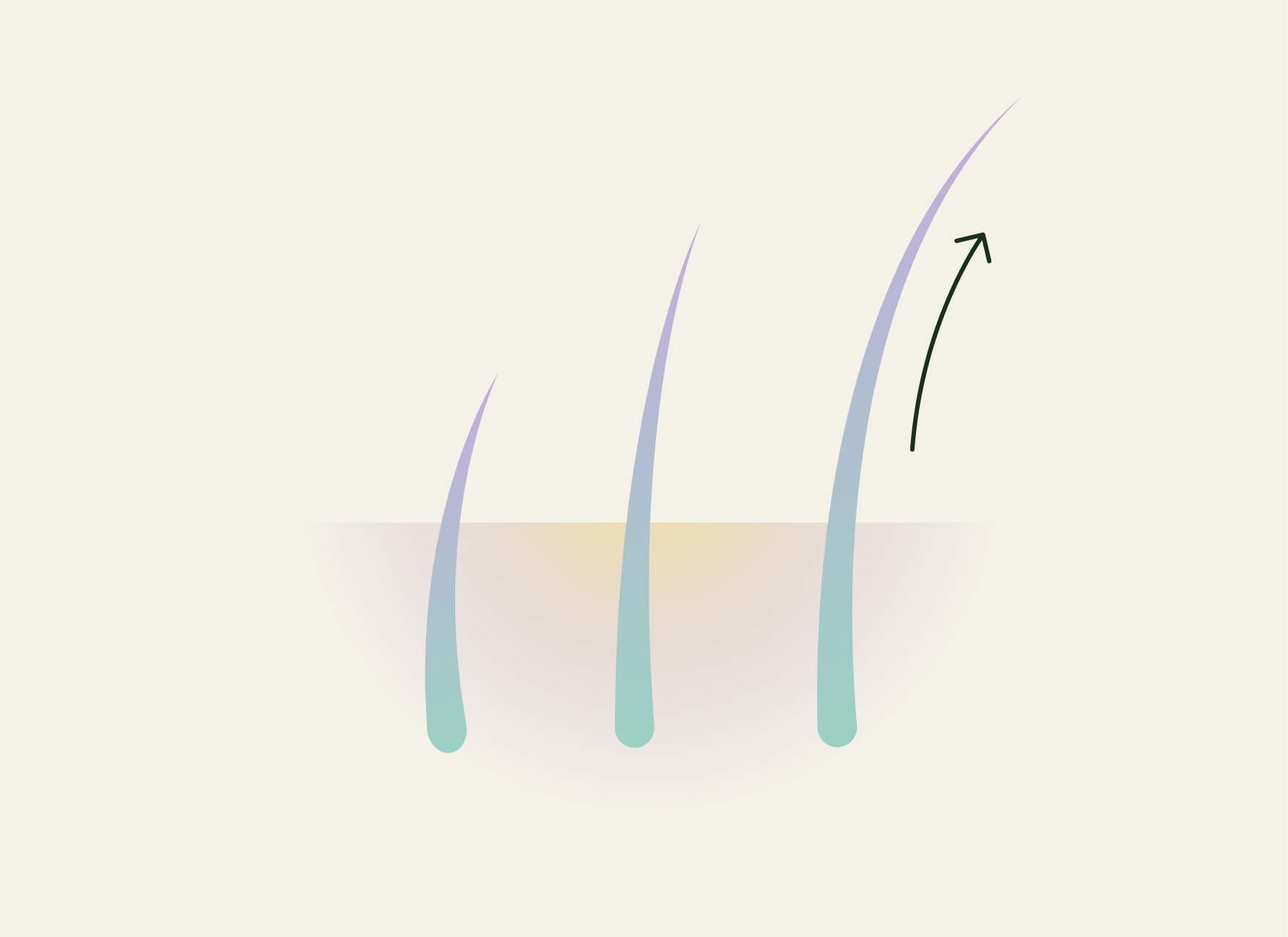
After that, you’ll shift weight more gradually. Fat loss happens at a much slower rate. This is totally normal and doesn’t mean that your plan has stopped working!
Health benefits
We’ve covered this one above, but to give you a quick refresher: Your muscles keep your body working at its best, so it’s better for your health to lose fat while preserving muscle mass.
Appearance
Shedding fat while keeping your muscles intact might also give you a more toned appearance. Whereas with weight loss you might look a bit thinner or smaller in general.
Curious about weight loss medications?
They can be a gamechanger when exercise and diet aren’t giving you the results you’d hoped for. Voy’s weight loss treatment combines science-backed medicines with a team of health experts cheering you on. Find out if it’s right for you today.
Science-backed treatment
Clinical support
Trusted by 100,000 UK customers
Best ways to measure fat loss vs weight loss
But how are you meant to measure fat loss? None of the methods currently used are completely accurate, though they can give you a good idea of how your health and body are changing.
Body measurements
You can do these at home using a tape measure, to keep track of any inches lost around your hips, waist, and thighs. Your waist circumference indicates how much fat is stored around your midsection, while your waist-to-hip ratio (divide waist by hip circumference) is a measure of how much fat is in your waist in relation to your hips.
Body fat percentage
Or you could measure your body fat percentage—that’s how much of your body is made up of fat vs bone and muscle.
A common option here is skinfold calipers, which look sort of like large plastic tweezers. You use the calipers to gently pinch different areas of your body (they will come with instructions that specify where). This will tell you the thickness of the skinfold, and you can use your results to calculate your body fat percentage.
Alternatively, you can buy smart scales that measure your body fat, or visit a specialist healthcare provider for more sophisticated options like DEXA body composition scans.
Strength and fitness improvements
This is perhaps the least precise option of the bunch, but—if you notice that your strength has improved while you’re losing weight, it might be a sign that you’re shedding fat rather than muscle.
How to lose fat and maintain muscle
Preserving muscle while losing fat comes down to three things:
- Eat enough protein. It's essential for building and maintaining muscle. Research suggests that higher-protein diets lead to more fat loss and better muscle preservation than low-carb, low-fat, or high-fibre approaches.
- Strength training regularly. Lifting weights signals to your body that your muscles are needed, which helps protect them while you're in a calorie deficit. Aim for two sessions a week.
- Avoid low or very low-calorie diets. They might shift the scale quickly, but they're also linked with significantly more muscle loss. A gradual, moderate calorie reduction leads to greater fat loss in the long run, with less muscle damage along the way.
This is where it pays to know your numbers. Cutting calories too aggressively is one of the main reasons people lose muscle alongside fat, so it's worth working out roughly how many calories your body needs each day and aiming for a moderate reduction of around 400-600 calories below maintenance. Our TDEE calculator can help you find that baseline.
Your personalised results
Enter your details to calculate your TDEE
Your weight loss journey
Using scales and measurements to track your progress can definitely be helpful, but what’s most important is how you feel. You’re on a path to being a lighter, happier, healthier you—and we’re so excited for you to reach those goals.
But you don’t have to go through your journey alone. We’re here for you. As part of our weight loss treatment, our team of clinicians will give you personalised advice and guidance along the way. We’ll also post weight loss medication to you each month.
Find out if you’re eligible by filling out this short quiz.