












“Benefits and Risks of Hormone Replacement Therapy (HRT).” NHS. www.nhs.uk/medicines/hormone-replacement-therapy-hrt/benefits-and-risks-of-hormone-replacement-therapy-hrt/. Accessed 6 May 2026.
Starting HRT can be transformative for relieving menopausal symptoms like hot flushes, poor sleep and mood dips. But like any medication, it can come with side effects.
The good news? Most side effects of HRT are temporary, tend to settle down within a few weeks, and many people find their symptoms improve significantly once their body gets used to the hormones.
Here’s what's normal, what to keep an eye on and when it's worth checking in with a doctor.
Key takeaways
- Most HRT side effects are common in the first few weeks and usually improve on their own.
- Side effects can vary depending on the type and delivery method of HRT you're using.
- Stopping HRT suddenly can cause your menopause symptoms to return quickly, so it's always best to speak to a doctor first.

What are the most common side effects of HRT?
HRT side effects tend to be more noticeable in the first few months as your body adjusts to the change in hormone levels. They don't affect everyone the same way, and the type of HRT you're on can make a difference too
Oestrogen side effects
Oestrogen is the main hormone used in HRT, and for many people it's what makes the biggest difference to how they feel day to day. Side effects include:
- Unexpected vaginal bleeding or spotting
- Bloating
- Breast tenderness
- Low mood
Doctors sometimes refer to these hormonal side effects as “the four Bs” (for bleeding, breast tenderness, bloating and blues).
Most people find that these symptoms settle down within 3 months. If they're persistent or uncomfortable, it's worth talking to your doctor. Sometimes a simple dose or delivery method adjustment is all it takes.
Progesterone side effects
If you still have your uterus, you'll need progesterone, alongside oestrogen HRT, to protect your womb lining. Progesterone can have its own side effects, but in general, they are similar to those for oestrogen. Progesterone side effects will usually go away after a few weeks, but include:
- Changes to your periods, such as irregular bleeding, especially in the first few months
- Mood changes, such as low mood, irritability, or PMS-like symptoms
- Bloating and breast tenderness
Some women are particularly sensitive to progesterone-containing medicines, which can make them more susceptible to mood changes.
Combined HRT side effects
Combined HRT contains both oestrogen and progesterone. The side effects are essentially a combination of both, and are most common in the first few months of your treatment plan.
Irregular bleeding (spotting or light periods) on HRT is particularly common in the early stages, especially with continuous combined HRT, though this usually settles by the 6-month mark.
Testosterone side effects
Some people are prescribed testosterone alongside their HRT to help with low libido. It's typically used in small amounts as a cream. Side effects can include:
- Increased facial or body hair
- Acne or oily skin
- Weight gain
These effects are generally dose-dependent and reversible if treatment is stopped.
Side effects by HRT type
The way you take HRT can influence which side effects you're more likely to experience.
HRT patches side effects
Patches deliver hormones directly into your bloodstream through your skin. The most common patch-specific issues are:
- Skin irritation at the patch site
- Patches not sticking properly in heat or humidity
- Occasionally, uneven hormone absorption may occur if a patch isn't applied correctly.
Rotating the site (your lower abdomen or bottom, away from your waistband) can help reduce skin reactions. Patches are often preferred for people at risk of blood clots, as this route doesn't increase the risk of clotting the way oral tablets can.
Patches contain body-identical oestrogen, which has the same molecular structure as the oestrogen naturally produced by your ovaries. Because the hormone is absorbed through the skin rather than taken as a tablet, it does not increase the risk of blood clots.
The increased clot risk was linked to older forms of synthetic oestrogen taken by mouth. These tablets are processed through the liver, where they can affect the body’s clotting system. Oestrogen delivered through the skin bypasses the liver, which is why patches are not associated with the same increased risk.
HRT gel side effects
Gel is applied to the skin (usually the inner arm or thigh) and absorbed like a patch, so it shares many of the same benefits. Gel-specific side effects to be aware of include:
- Skin irritation at the application site.
- Transfer risk: the gel can be transferred to a partner or child if they touch the application area before it's dry. Make sure you let it dry for a few minutes after applying.
- Fluctuations in hormone levels may occur if you miss doses, since the gel needs to be applied daily.
HRT tablets side effects
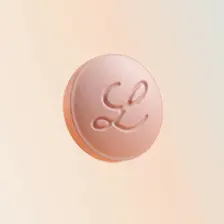
Tablets are a convenient way for many people to take HRT, but they do come with a slightly different risk profile:
- Nausea is more common with tablets than with other forms.
- Oral oestrogen can slightly increase the risk of blood clots and stroke—patches or gels are generally preferred for women with any cardiovascular risk factors.
- Headaches may be more noticeable due to less even hormone levels throughout the day.
Other HRT types
Sprays work similarly to gel. They’re applied to the arm and absorbed through the skin.
Vaginal oestrogen (creams, pessaries or rings) is a local treatment for vaginal dryness and discomfort; because very little is absorbed into the bloodstream, body side effects are minimal.
How long do HRT side effects last?
For most people, HRT side effects improve significantly within a few months.
If HRT side effects are still bothering you after 3 months or you’re worried your HRT isn’t working, don't just put up with it—speak to your doctor. A different dose, formulation or delivery method can make a real difference.
Don’t stop HRT suddenly, though. If you decide HRT isn't for you, it's worth talking to your doctor rather than stopping all at once. Coming off HRT suddenly can cause your menopause symptoms to come back quickly and sometimes intensely. Gradually tapering your dose is usually a gentler approach.
Is it normal to bleed on HRT?
It can be, especially if you’ve recently started taking HRT or changed your routine as it can take a little while for your body to get used to the hormones. For more info, check out our article on HRT bleeding. But the key points are:
Cyclical (sequential) HRT: the type where you take progesterone for part of the month, designed to cause a regular withdrawal bleed, similar to a period. This is expected and normal. Some people notice breakthrough bleeding when they first start taking cyclical HRT. And you might notice more bleeding as you get closer to menopause.
Continuous combined HRT: where you take both hormones every day, is designed to stop periods altogether eventually. But in the first 3 to 6 months, irregular spotting or breakthrough bleeding is very common and not usually a cause for concern.
Chat to your doctor if:
- Bleeding is heavy or painful.
- Bleeding starts after it had previously stopped.
- Bleeding continues beyond 6 months on continuous combined HRT.
- You experience any bleeding more than a year after your last natural period.
Unexplained bleeding after the menopause always needs to be discussed with your doctor, just to be safe.
Not sure what’s normal anymore?
When you're experiencing new symptoms, it can be hard to know what’s part of menopause and what’s not. You deserve care that looks at the full picture.
Can HRT cause weight gain?
HRT itself does not directly cause weight gain. Body weight tends to increase naturally around the time of the menopause, partly due to hormonal changes that affect fat distribution. Any weight changes you notice are likely due to the menopause transition itself, rather than HRT specifically.
In fact, some research suggests HRT may help prevent the shift of fat towards your middle that often happens after menopause.
Voy can help with weight concerns, too. Explore our science-backed weight loss options today.
HRT long-term side effects
For most women, the benefits of HRT outweigh the risks. But it's worth understanding what the evidence says about long-term use.
Blood clots
Oral (tablet) HRT slightly increases the risk of blood clots. Transdermal HRT (patches, gel, spray) do not appear to carry the same risk, which is why it's often recommended—particularly for women with any history of clots or cardiovascular risk factors.
Breast cancer
The link between HRT and breast cancer is probably the most talked-about risk. However, for women using body-identical HRT up to the average age of menopause (around 51), there does not appear to be an increased risk of breast cancer. After this age, any increase in risk is still considered very small.
It’s also important to keep this risk in perspective, as factors such as being overweight or drinking alcohol regularly can have a similar or greater impact on breast cancer risk. Whatever type of HRT you use, it’s important to attend routine breast screening appointments, check your breasts regularly, and speak to your doctor if you notice any changes or anything that feels unusual.
How to reduce or manage HRT side effects
HRT side effects are often mild and manageable, and usually ease after a few months as your body gets used to the hormones. But if they’re making life difficult, you don’t have to just put up with them. Speak to your doctor about what you’re experiencing. You might just need a tweak to your treatment plan. A different dose or delivery method (switching from pills to a patch, for instance) might suit you better.
Menopause treatment isn’t one-size-fits-all. At Voy, our clinicians can work with you to find the HRT that fits your body and lifestyle.
When to speak to a doctor
Most side effects of HRT are temporary, but some signs need prompt medical attention. Contact your doctor straight away if you experience:
- Sudden chest pain, shortness of breath or coughing up blood
- Sudden leg pain or swelling
- Sudden severe headache, vision changes, weakness or slurred speech
- Unexplained vaginal bleeding
For anything less urgent, like ongoing side effects, questions about your dose, or wondering whether HRT is still right for you, your GP or menopause clinician is there to help.
Specialist menopause care, on your terms
Starting HRT is a very personal decision, and adjusting to a new treatment looks different for everyone. Some people experience some side effects early on, but for many women, HRT is genuinely life-changing.
If something doesn't feel right, or if side effects are affecting your day-to-day life, there's usually something that can be done, whether that's tweaking your dose or switching to a different type. Book an appointment with one of Voy’s menopause specialists today for support that fits your life.