

















Voy. “Menopause outcome data presented at The Menopause Society 2025 (Voy patient internal data, February 2026, sample size=301).” in Climacteric. 2025. https://www.joinvoy.com
Key takeaways
- It typically takes 2-3 weeks to notice some symptom improvement when starting HRT.
- Full benefits typically build gradually over the first 3 months, with different symptoms improving at different speeds.
- HRT is not one-size-fits-all, if symptoms don't improve by 6-8 weeks, your dose or formulation can be adjusted. Most women find their right fit within 3 months.

If you’ve recently started HRT, or you’re considering it, one question is usually front of mind: how long will it take to feel better?
HRT doesn’t work overnight, but many women begin noticing improvements within the first few weeks, with symptoms continuing to improve over the following months as hormone levels stabilise. Clinical evidence shows HRT can reduce hot flushes and night sweats by up to 85%, while Voy’s internal patient data found that 93% of members reported improved quality of life after treatment (February 2026, n=301).
In this guide, we’ll explain what to expect during the first weeks and months of HRT, why some symptoms improve faster than others, and how factors like dosage and delivery method (patches, pills, or gels) can affect your timeline.
The HRT timeline at a glance
The short answer: Most women begin experiencing a relief of symptoms within a few weeks, with the full effect building over 3 months. That's the headline. But the real answer is more nuanced, because HRT isn't a single symptom fix. It's a comprehensive hormone replacement that affects multiple systems in your body, and those systems don't all reset at the same speed. Here's what the evidence tells us:
Hot flushes and night sweats — the symptoms most women start HRT for, these often improve within the first 2-4 weeks. A Cochrane review found that HRT reduced hot flush frequency by 77% compared to placebo. You may notice a reduction in intensity and frequency within days, though the full effect can take up to 12 weeks.
Sleep disruption tends to improve relatively quickly, often within 1-3 weeks, as night sweats reduce and allow deeper, uninterrupted sleep. Voy data shows 71% of members reported improved sleep after treatment.
Mood and emotional symptoms — anxiety, irritability and low mood, these typically improve within 2-6 weeks as oestrogen levels stabilise. Voy members reported an 83% improvement in mood and emotional symptoms.
Brain fog and cognitive changes can take a bit longer, usually 4-8 weeks, but the improvement can be significant. 73% of Voy members reported clearer thinking after starting treatment.
Vaginal dryness and genitourinary symptoms are often the slowest to respond, typically taking 6-12 weeks for noticeable improvement. Topical oestrogen (applied directly) works faster than systemic HRT for these symptoms.(Voy patient internal data, February 2026, sample size=301)
The NHS guidance confirms this pattern: "Hot flushes or night sweats often improve within a few weeks. Other symptoms like mood changes and vaginal dryness can take a few months to improve". What's important to understand: HRT isn't a light switch, think of it more like a dimmer switch. It's a gradual restoration of hormone levels that allows your body to recalibrate. The first changes you notice might be subtle, you sleep a bit better one night, or you get through a meeting without a hot flush. Then those small improvements build. By three months, most women feel the full effect.
What to expect in the first few weeks of HRT
The first month of HRT is an adjustment period. Your body is recalibrating to the hormones it's been missing, and that process doesn't happen without some settling-in time. Here's what to expect week by week.
Week 1: The adjustment begins
In the first week, you may not notice a dramatic change in your symptoms, though some do report feeling slightly better almost immediately, particularly with sleep. This is partly down to the relief of doing something about the problem (the psychological benefit of taking action is real), but also because oestrogen levels begin rising within days of starting treatment.
What you might notice:
- Mild oestrogenic effects: we don't call these side effects as they are a positive sign your body is absorbing and responding to oestrogen. You may experience breast tenderness, light spotting, mild headaches, or nausea. These are common and usually temporary.
- A slight improvement in sleep quality if night sweats were your main issue. As oestrogen levels rise, thermoregulation begins to stabilise.
- No major changes yet in hot flushes, mood, or brain fog — it's too early. Give your body time.
The side effects in week one can be off-putting, but they're generally a sign that the treatment is working and that your body is responding to the hormones. If side effects are severe or unbearable, contact your specialist. Dosage adjustments or switching formulations (for example, from pills to patches) can often resolve early side effects without abandoning treatment altogether.
Week 2-4: Early improvements
This is when things start to shift. By week 2-4, many women notice their first real improvements.
Hot flushes and night sweats: Clinical evidence suggests these often begin improving within 2 weeks, with more substantial relief by week 4. You might notice that hot flushes are less frequent, less intense, or shorter in duration. Night sweats may reduce, allowing you to sleep through the night without waking up soaked.
Sleep: As night sweats improve, sleep quality often follows. You might wake up fewer times, fall back asleep more easily, and start feeling more rested during the day. Voy members frequently report better sleep as one of the first noticeable changes.
Mood: You may start to feel emotionally steadier by week 3-4, less anxious, less irritable, more like yourself. Oestrogen has a direct effect on mood-regulating neurotransmitters like serotonin, so as levels stabilise, emotional regulation improves.
Side effects: If you experienced breast tenderness, headaches, or nausea in week one, these often begin to settle by week 3-4 as your body adapts.
What you might not notice yet:
- Brain fog: Cognitive symptoms often take longer to clear. Patience here is key.
- Vaginal dryness: Genitourinary symptoms are the slowest to respond and may take several more weeks.
If you're not seeing any improvement by week 4, don't panic. Individual timelines vary, and some women need dosage adjustments to find the right level. That's exactly why ongoing specialist support matters, this is the stage where small tweaks to your plan can make a significant difference.
The 3-month milestone: When most women feel the full effect
By three months, most women experience the full benefit of HRT. The NHS notes that some symptoms can take up to a few months to fully improve, and Voy's published data supports this timeline.
88% of Voy members felt more hormonally balanced at 3 months, compared to 62% receiving standard care (Voy patient internal data, February 2026, sample size=301). That 26-percentage-point difference is enormous. It's the difference between "this is helping a bit" and "I finally feel like myself again." And it's not down to the medication alone — it's the result of specialist-led care that gets the dosage, formulation, and ongoing monitoring right.
What the 3-month milestone typically looks like:
Hot flushes and night sweats: Maximum relief usually arrives within 12 weeks. For most women, these symptoms are either gone entirely or reduced to a level that no longer disrupts daily life.
Sleep: 71% of Voy members reported improved sleep. By three months, you may notice fewer sleep disruptions, more consistent rest, and gradual improvements in daytime energy levels.
Mood and emotional symptoms: The anxiety lifts and irritability softens. The emotional rollercoaster flattens out. You feel more in control of your reactions, more like the person you recognise.
Brain fog: 73% of Voy members reported clearer thinking. Words come back. Memory sharpens. You stop walking into rooms and forgetting why. The cognitive fog that made you question your competence begins to clear.
Vaginal dryness and discomfort: Symptoms are improving, though full relief may take a bit longer (up to 6 months for some women, particularly if using systemic HRT rather than topical oestrogen).(All Voy figures: patient internal data, February 2026, sample size=301)
“If you reach three months and you're not seeing the improvement you expected, it's time to have a conversation with your specialist. You're not "failing at HRT", you may simply need a dosage increase, a switch to a different type of HRT (for example, from pills to patches), or the addition of testosterone if energy and libido are still an issue. The goal is balance, and balance looks different for every woman.”

Voy's model ensures you're not left to figure this out alone. Your specialist reviews your progress, asks the right questions, and adjusts your treatment until it's working.
Do patches, pills, and gels work at different speeds?
Yes, the delivery method affects how quickly HRT enters your bloodstream, and that can influence how fast you notice improvements.
HRT Patches and Gels (Transdermal Oestrogen)
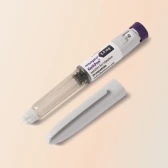
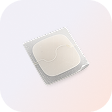
How they work: Patches and gels deliver oestrogen through the skin directly into the bloodstream, bypassing the digestive system and liver. Hormone levels typically stabilise within a few days, and many women notice symptom improvement within 1–2 weeks. Both provide steadier hormone delivery and are associated with a lower risk of blood clots compared with oral oestrogen.
Patches are usually changed twice weekly, although some women experience mild skin irritation. Gels are applied daily, typically to the arms or thighs, and allow flexible dose adjustment without the use of adhesives. However, they do require a daily routine and need time to dry before dressing.
HRT Pills (Oral Oestrogen)
How they work: Oral HRT is absorbed through the digestive system before passing through the liver. This can lead to slightly more fluctuation in hormone levels, and some women find tablets take a little longer to have their full effect, although improvement still commonly begins within 2–4 weeks. Oral oestrogen has a slightly higher risk of blood clots compared to transdermal oestrogen due to first-pass liver metabolism. This risk is still low for most women, but it's something your specialist will assess based on your medical history.
Which works fastest?
In general, patches and gels may work slightly faster than pills, but the difference is usually measured in days rather than weeks. By around three months, most women achieve similar results regardless of formulation. Absorption efficiency can vary based on individual skin.
The best option depends on your symptoms, medical history, and lifestyle preferences, not just speed. If one type of HRT isn’t working well for you, your clinician can adjust the dose or switch delivery method.
What factors affect how quickly HRT works for you?
1. Your starting hormone levels
Women who start HRT earlier in perimenopause may notice improvements more quickly, while those with more significant hormonal depletion may take longer to feel balanced again.
2. Dosage
Standard-dose HRT often improves symptoms within 2–4 weeks, while lower doses can take longer. Your clinician may adjust your dose or change your treatment if symptoms aren’t improving after 6–8 weeks.
3. Delivery method
As discussed above, transdermal methods (patches, gels) often work slightly faster than oral HRT because they bypass the digestive system and deliver more stable hormone levels.
4. Whether you're taking progesterone alongside oestrogen
Women with a uterus usually need progesterone alongside oestrogen. Some types of progesterone can cause temporary side effects, including bloating or breast tenderness, which may improve with dose or formulation changes.
5. Additional testosterone therapy
For persistent low energy, reduced libido, or low motivation, testosterone may sometimes be added. Improvements typically appear within 4–12 weeks.
6. Lifestyle factors
Sleep, stress, diet, and exercise can all influence how well HRT works. Women who improve sleep hygiene, manage stress, and stay active often report better symptom relief, but these habits can be difficult to maintain when menopause symptoms themselves are disrupting sleep, energy, and motivation. It can become a bit of a cycle: symptoms make healthy routines harder, while poor sleep and stress can make symptoms feel worse. HRT can help address the hormonal root cause, while lifestyle support may help your body respond more effectively.
7. Your body's individual response
If symptoms aren’t improving as expected, your clinician may recommend adjusting your dose, switching delivery method, or adding additional support therapies. This is exactly why specialist-led, personalised care matters. Voy's 45-minute consultations with BMS-trained menopause specialists ensure your treatment plan is tailored to your body's response, not just a generic prescription.
When to contact your doctor about HRT
Most women adjust to HRT without major problems, but some symptoms should be reviewed sooner rather than later.
Speak to a Voy clinician if you experience:
- Severe or persistent side effects, such as significant nausea, headaches, breast pain, or mood changes
- Heavy or prolonged bleeding, or bleeding that starts again after symptoms had settled
- No symptom improvement after 6–8 weeks, as your dose or formulation may need adjusting
- Symptoms that initially improve, then return, which can happen if your treatment needs fine-tuning
- New or worsening symptoms, such as severe migraines, visual changes, or unexplained pain
Seek urgent medical attention if you develop possible signs of a blood clot, including:
- Swelling, redness, or pain in one leg
- Sudden shortness of breath
- Chest pain
The risk of blood clots with HRT is low, (particularly with transdermal options like patches and gels) but it’s important to know the warning signs.
Annual reviews and ongoing monitoring
HRT isn't a "prescribe and forget" treatment. BMS guidelines recommend annual reviews to assess whether HRT is still appropriate, whether your dosage needs adjusting, and whether any health changes (for example, new medical conditions, medications, or family history developments) affect the safety of continuing treatment.
At Voy, ongoing monitoring is built into your care plan. Your specialist checks in regularly, tracks your progress, and adjusts your treatment as your needs change. You're never left to figure it out alone.
How Voy supports you through the first months of HRT
Starting HRT is a significant decision, and the first few months are critical. This is where specialist care makes the difference between "I think it's helping a bit" and "I’m starting to feel more like myself".
45-minute consultations with BMS-trained menopause specialists
Your Voy journey starts with a 45-minute consultation, proper time to talk through your symptoms, history, and what you're hoping to feel better. Our specialists are trained by the British Menopause Society (BMS), the UK's leading authority on menopause care, and they bring the time, expertise, and care you deserve.
In that 45-minute consultation, your specialist will:
- Take a full symptom history
- Assess your medical history and any risk factors
- Explain your treatment options in plain English
- Build a personalised plan tailored to your symptoms, your body, and your goals
- Answer every question you have — no matter how small
Not sure what’s normal anymore?
When you're experiencing new symptoms, it can be hard to know what’s part of menopause and what’s not. You deserve care that looks at the full picture.
Personalised treatment plans, not generic prescriptions
Voy offers the full range of menopause treatments: HRT (patches, pills, gels), testosterone therapy, CBT, and nutrition support. Your plan is built around you, what you're experiencing, what you need, and what will work best for your lifestyle and medical history.
This is why 88% of Voy members felt more hormonally balanced at 3 months, compared to 62% receiving standard care (Voy patient internal data, February 2026, sample size=301). It's not the medication alone. It's the specialist-led model that gets the dosage, formulation, and monitoring right.
Ongoing monitoring and plan adjustments
Your Voy specialist doesn't disappear after your first consultation. You have ongoing access to your care team throughout your treatment journey. If side effects are intolerable, if symptoms aren't improving, or if you need a dosage adjustment, you're supported.
The first 3 months are when most fine-tuning happens. Your specialist reviews your progress, asks the right questions, and adjusts your plan until you're seeing the improvement you deserve.
Peer support and community
Menopause can feel isolating, particularly when you're waiting for treatment to kick in. Voy offers a peer support programme including webinars and 1:1 peer mentoring with other women who've been through the same journey. Participants rate the programme 4.9 out of 5, because sometimes the most reassuring voice is someone who's been exactly where you are.
Accessible and transparent care
Voy's initial consultation is £99, with ongoing care at £89/month, specialist-led menopause support designed to be accessible. Pricing is transparent, with no hidden fees or surprise charges, so you always know what you're paying for.