















Avis, N.E. et al. Duration of Menopausal Vasomotor Symptoms Over the Menopause Transition. JAMA Internal Medicine, 2015. https://jamanetwork.com/journals/jamainternalmedicine/fullarticle/2110996
Key takeaways
- Hot flushes are caused by hormonal changes that disrupt your brain's temperature control system, not by stress or imagination.
- Frequent hot flushes last more than seven years on average, but effective treatments exist, including options for women who cannot take HRT.
- Triggers like caffeine, alcohol, and stress can be managed, and treatment from HRT to CBT to newer non-hormonal options can significantly reduce frequency and severity.

What are hot flushes?
A hot flush is a sudden wave of heat, usually felt in the face, neck, and chest. It can come on without warning and typically lasts between one and five minutes. Your skin may redden, you may sweat, and your heart rate may increase. Some women describe a feeling of anxiety or unease just before one hits.
When hot flushes happen at night, they are called night sweats. The physical experience is the same, but the timing matters: waking repeatedly in a sweat disrupts sleep, and broken sleep compounds almost every other menopause symptom. Low mood, brain fog, irritability, and fatigue among them.
Hot flushes are among the most common symptoms of menopause and perimenopause. The NHS lists them as one of the first and most frequently reported symptoms of the menopause transition. For some women, they are occasional and manageable. For others, they occur more than ten times a day and significantly affect daily life.
Why do hot flushes happen during menopause?
This is the question most menopause content skips. Here is the plain-English version of what is actually happening in your body.
During your reproductive years, oestrogen plays a role in keeping your hypothalamus (the part of your brain that regulates body temperature) stable. As oestrogen levels decline during perimenopause and menopause, a group of nerve cells in the hypothalamus called KNDy neurons (named for the hormones they produce: kisspeptin, neurokinin B, and dynorphin) become overactive.
These neurons are responsible for signalling the release of a chemical called neurokinin B. When oestrogen is present at normal levels, it keeps this signalling in check. When oestrogen drops, the KNDy neurons fire more readily, and their signals reach the part of the brain that controls body temperature, triggering a response as though the body has overheated. Blood vessels near the skin dilate, you start to sweat, and you experience a hot flush. According to a 2025 review in the journal Temperature, this mechanism explains why treatments that block neurokinin B signalling (including the newly approved fezolinetant) are effective at reducing hot flushes.
This is not a psychological response. It is a specific neurological chain reaction triggered by a natural hormonal change.
Common hot flush triggers
While the underlying cause is hormonal, certain things can make individual hot flushes more likely or more intense. Identifying your personal triggers will not stop hot flushes entirely, but it can help reduce their frequency and severity.
Common triggers include:
- Caffeine: coffee, tea, and energy drinks can increase flush frequency in some women
- Alcohol: even small amounts can trigger or worsen hot flushes, particularly red wine
- Spicy food: capsaicin (the compound that makes food spicy) can activate the same heat-sensing pathways involved in hot flushes
- Warm environments: hot rooms, hot baths, and warm weather can lower the threshold for a flush
- Tight or synthetic clothing: anything that traps heat makes the body's thermoregulatory system work harder
- Stress and anxiety: psychological stress activates similar physiological pathways, compounding the neurological trigger
- Smoking: research published in BMC Women's Health found that smoking is a significant modifiable factor affecting hot flush frequency and quality of life during menopause. If you smoke, stopping may help reduce both frequency and severity
- Higher body weight: carrying more weight can increase both the likelihood and severity of hot flushes
There is also evidence that ethnicity affects how women experience hot flushes. The NHS notes that Black women tend to experience more frequent and severe symptoms, while Asian women report fewer. The reasons are not fully understood and are likely to involve a combination of biological, cultural, and environmental factors.
How long do hot flushes last?
The honest answer: longer than most people expect.
Per episode, a hot flush typically lasts one to five minutes. But the more important question is how many years women can expect to experience them, and the data on this is something most women are never told.
A large multiracial study published in JAMA Internal Medicine followed women through the menopause transition and found that frequent vasomotor symptoms lasted more than seven years for more than half of participants, and persisted for an average of 4.5 years after the final menstrual period. Research published in Climacteric found that frequent or moderate-to-severe hot flushes last seven to ten years on average.
Duration also depends on when symptoms start. Women whose hot flushes begin during perimenopause (before their periods stop) tend to experience them for longer than women whose hot flushes begin later. A cohort study published in Obstetrics and Gynecology found that women with early symptom onset had a median duration of more than eleven years.
“This is not meant to be alarming. It is meant to be honest. And it is meant to highlight the fact that waiting it out could mean waiting it out for years. Effective treatments exist and the sooner you access them, the better your quality of life during this transition.”

What helps: treatment options for hot flushes
Hormone Replacement Therapy (HRT)
HRT is the most effective treatment for vasomotor symptoms - hot flushes and night sweats. According to NICE guideline NG23 (updated in April 2026) HRT consistently improves vasomotor symptoms, sleep quality, and quality of life compared to placebo. For most women, it is the first-line recommendation.
HRT works by replacing or stabilising oestrogen levels, which restores stability to the KNDy neuron signalling system and raises your body's heat threshold back to normal. Many women notice a meaningful reduction in hot flush frequency within a few weeks of starting treatment, with full benefit typically felt by three months.
If you have concerns about HRT safety, particularly around breast cancer risk, you are not alone. The media has given mixed messages for years. For most women, the benefits of HRT outweigh the risks, and a BMS-trained menopause specialist will assess your individual health history to help you make an informed decision.
Cognitive Behavioural Therapy (CBT)
The updated NICE guideline (April 2026) now specifically recommends CBT as a treatment for hot flushes and night sweats, either alongside or instead of HRT. This is not about telling women that hot flushes are psychological. CBT for menopause works by changing how the body responds to the trigger, reducing the physiological stress response that amplifies hot flushes. It can also address the sleep disruption, anxiety, and low mood that frequently accompany them.
Fezolinetant (Veoza)
Fezolinetant is a newer non-hormonal treatment, approved by NICE in 2026, specifically for women who cannot take HRT. For example, those with a history of certain hormone-sensitive cancers.
It works by blocking the neurokinin B receptor in the hypothalamus, directly interrupting the KNDy neuron signalling chain that triggers hot flushes. Rather than replacing oestrogen, it targets the specific pathway responsible for vasomotor symptoms. Clinical trial evidence shows it significantly reduces both frequency and severity of hot flushes and night sweats.
If HRT is not suitable for you, fezolinetant is now a NICE-recommended option. Ask your specialist whether it is appropriate for your situation.
Non-hormonal options
Hot flushes and night sweats are also common in women taking adjuvant endocrine therapy after breast cancer, such as tamoxifen, anastrozole, letrozole or exemestane. HRT is usually not recommended for this group, but non-hormonal prescription options are now licensed in the UK for hot flushes caused by these treatments. Whether any of them is suitable for you is a decision for you and your treating team.
Lynkuet (Elinzanetant): a non-hormonal option
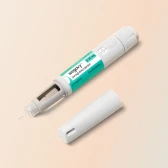
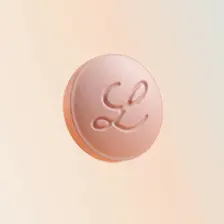
Not every woman can take HRT, and not every woman wants to. If you have a history of hormone-sensitive breast cancer, blood clots, or other conditions that make HRT unsuitable, or if you simply prefer a non-hormonal approach, Lynkuet (elinzanetant) is now available through Voy as a clinically proven alternative.
“Elinzanetant works differently from HRT. Rather than replacing oestrogen, it targets the root cause of vasomotor symptoms at a neurological level. During menopause, falling oestrogen levels cause neurons in the hypothalamus (the brain's temperature control centre) to become overactive. Elinzanetant blocks two neurokinin receptors (NK1 and NK3) that drive this overactivity, calming the signals that trigger hot flushes and night sweats without affecting hormone levels.”
This dual-receptor mechanism is clinically significant. By blocking both NK1 and NK3 receptors, elinzanetant addresses vasomotor symptoms and may offer additional improvements in sleep quality beyond what is achieved by reducing night sweats alone.
The clinical evidence supports this. In a phase 3 trial published in the New England Journal of Medicine, elinzanetant significantly reduced the frequency and severity of moderate-to-severe vasomotor symptoms compared to placebo, with improvements seen as early as week one. Sleep disturbance also improved meaningfully in women taking elinzanetant — an important finding given how severely night sweats can disrupt rest and recovery.
Lynkuet is taken as a once-daily oral tablet, making it straightforward to incorporate into a daily routine. It is prescribed following a consultation with a Voy menopause specialist, who will assess whether it is the right option for your symptoms and medical history.
Lynkuet also holds a specific MHRA licence for women experiencing hot flushes caused by adjuvant endocrine therapy for breast cancer. Women taking these treatments often experience severe vasomotor symptoms but cannot use HRT. For this group in particular, Lynkuet represents an important licensed treatment option where very few have previously existed.
Who is Lynkuet suitable for?
Lynkuet may be appropriate if:
- HRT is not suitable for you due to personal or family medical history
- You have tried HRT and not found it effective, or experienced side effects that led you to stop
- You prefer a non-hormonal treatment for personal reasons
- You are experiencing hot flushes or night sweats as a result of adjuvant endocrine therapy for breast cancer
- Your night sweats are moderate to severe and significantly affecting your sleep and quality of life
- As with any treatment, suitability is assessed individually. A Voy menopause specialist will discuss your full symptom picture, your medical history, and your preferences before recommending Lynkuet or any other treatment.
Lifestyle changes
Lifestyle changes alone are unlikely to eliminate hot flushes if they are frequent or severe, but they can reduce their frequency and intensity alongside other treatment:
- Keeping your bedroom cool at night (consider a fan, cooling pillow, or layered bedding)
- Wearing loose, natural-fibre clothing
- Reducing or avoiding caffeine and alcohol
- Stopping smoking
- Maintaining a healthy weight where possible
- Regular exercise — evidence suggests it supports overall menopause symptom management, though its direct effect on hot flush frequency is modest
Are there other causes of hot flushes?
Menopause is by far the most common cause of hot flushes in women over 40, but it is not the only one. If you are experiencing hot flushes but are unsure whether menopause is the cause, it is worth knowing what else can produce similar symptoms:
- Overactive thyroid (hyperthyroidism): the thyroid regulates metabolism and body temperature; when it is overactive, sweating and flushing are common
- Anxiety and panic disorders: the physiological response to anxiety can closely mimic a hot flush, including sudden heat, sweating, and increased heart rate
- Certain medications: some antidepressants, blood pressure medications, steroids, and cancer treatments (particularly tamoxifen and aromatase inhibitors used in breast cancer treatment) can cause hot flushes as a side effect
- Carcinoid syndrome: a rare condition where a tumour secretes hormones that cause flushing, usually accompanied by other symptoms including diarrhoea and wheezing
- Obesity: higher body weight independently increases the likelihood of heat-related sweating
“If your hot flushes are accompanied by unexplained weight loss, persistent diarrhoea, or other symptoms that do not fit the menopause picture, a clinical assessment to rule out other causes is worthwhile.”
When should you seek help for hot flushes?
You do not need to reach a particular threshold of suffering before you deserve support. If hot flushes are affecting your sleep, your work, your relationships, or your sense of self, any one of those is reason enough to seek a proper assessment.
Specifically, consider speaking to a specialist if:
- Hot flushes are happening more than five times a day
- Night sweats are regularly disrupting your sleep
- Symptoms have been going on for more than a few months
- You have tried lifestyle changes and they are not making enough difference
- You have been told "it's just your age" but feel dismissed rather than reassured
- You are unsure whether your symptoms are related to menopause at all
You do not need a confirmed menopause diagnosis to start this conversation. If your symptoms are affecting your life, a specialist can help you understand what is happening and what your options are.