

















Scarabin PY, Oger E, Plu-Bureau G; EStrogen and THromboEmbolism Risk Study Group. Differential association of oral and transdermal oestrogen-replacement therapy with venous thromboembolism risk. The Lancet, 2003. https://pubmed.ncbi.nlm.nih.gov/12927428/
Key takeaways
- "Bioidentical" simply means chemically identical to the hormones your body produces. Both body-identical HRT and compounded bioidentical HRT meet this definition. The term alone tells you nothing about safety or regulation.
- Body-identical HRT is licensed by the MHRA (Medicines & Healthcare Products Regulatory Agency), manufactured to consistent standards, and recommended by the British Menopause Society and the Royal College of Obstetricians and Gynaecologists. Compounded bioidentical HRT is not.
- The evidence on regulated body-identical HRT, particularly transdermal oestradiol and micronised progesterone, shows a more favourable safety profile on blood clots and breast cancer risk than older synthetic formulations.

Why this question matters: the story behind the confusion
To understand why so many women are researching this, you need to go back to 2002. That year, the Women's Health Initiative (WHI) trial, a large US study of combined (oestrogen and progesterone) HRT, was stopped early after preliminary results suggested increased risks of breast cancer, heart disease, and blood clots. The media coverage was immediate and alarming. Overnight, millions of women stopped taking HRT, and a generation of GPs became reluctant to prescribe it.
What the coverage failed to mention was the nuance. The WHI trial used oral oestrogen combined with a synthetic progestogen called medroxyprogesterone acetate, a formulation that has since been shown to carry a very different risk profile from the body-identical alternatives now commonly prescribed in the UK. But the damage to HRT's public reputation was done.
Into that vacuum came an alternative: compounded bioidentical HRT, marketed as "natural", "personalised", and free from the risks of "conventional" HRT. For women who had been frightened away from “standard” HRT but were still struggling with debilitating symptoms, it was an understandable appeal.
A 2019 commentary published in the British Journal of General Practice described how compounded bioidentical HRT had capitalised on precisely this anxiety, with providers falsely implying that their products carried lower risk than licensed HRT. The irony, which this article will explain, is that the opposite is true.
What does "bioidentical" actually mean?
Bioidentical means chemically identical to what is produced by the human body. That is the complete definition. The term says nothing about how the hormone was manufactured, whether it has been tested for safety, whether the dose is consistent from batch to batch, or whether it has been approved by any regulatory body.
Confusingly, both body-identical HRT and compounded bioidentical HRT are technically bioidentical. The oestradiol (oestrogen) in a licensed transdermal patch is chemically identical to the oestradiol produced in the ovaries. The oestradiol in a compounded cream made by a private pharmacy is also chemically identical to the one made by the ovaries. The molecule is the same.
What is being described here is the molecular structure. But this label does not tell you about the product’s safety, quality or clinical appropriateness.
The British Menopause Society's consensus statement on bioidentical HRT is clear on this point: "bioidentical" is a marketing term, not a regulatory category. This matters because a great deal of advertising for compounded bioidentical HRT relies on the word "bioidentical" doing more work than it can legitimately do.
What is body-identical HRT — and why does regulation matter?
Body-identical HRT refers specifically to MHRA-licensed hormone preparations that are chemically identical to human hormones. In the UK, the term is most commonly used to describe:
- Transdermal oestradiol, delivered via patches, gels, or sprays. This is the oestrogen component of most modern HRT regimens.
- Micronised progesterone (available as Utrogestan or Gepretix) in the form of a pessary.
The MHRA licensing process requires manufacturers to adhere to rigorous safety practices by demonstrating consistent dosing, purity, bioavailability, and safety data before a product can be given to patients. Licensed products carry the standard patient information leaflet, standardised safety warnings, and are subject to ongoing post-market surveillance. If a safety signal emerges, the regulator can act.
None of this applies to compounded preparations.
The joint position statement from the British Menopause Society, the Royal College of Obstetricians and Gynaecologists, and the Society for Endocrinology (updated 2025) is unambiguous: regulated body-identical HRT is recommended. Compounded bioidentical HRT is not.
What is compounded bioidentical HRT, and what are the concerns?
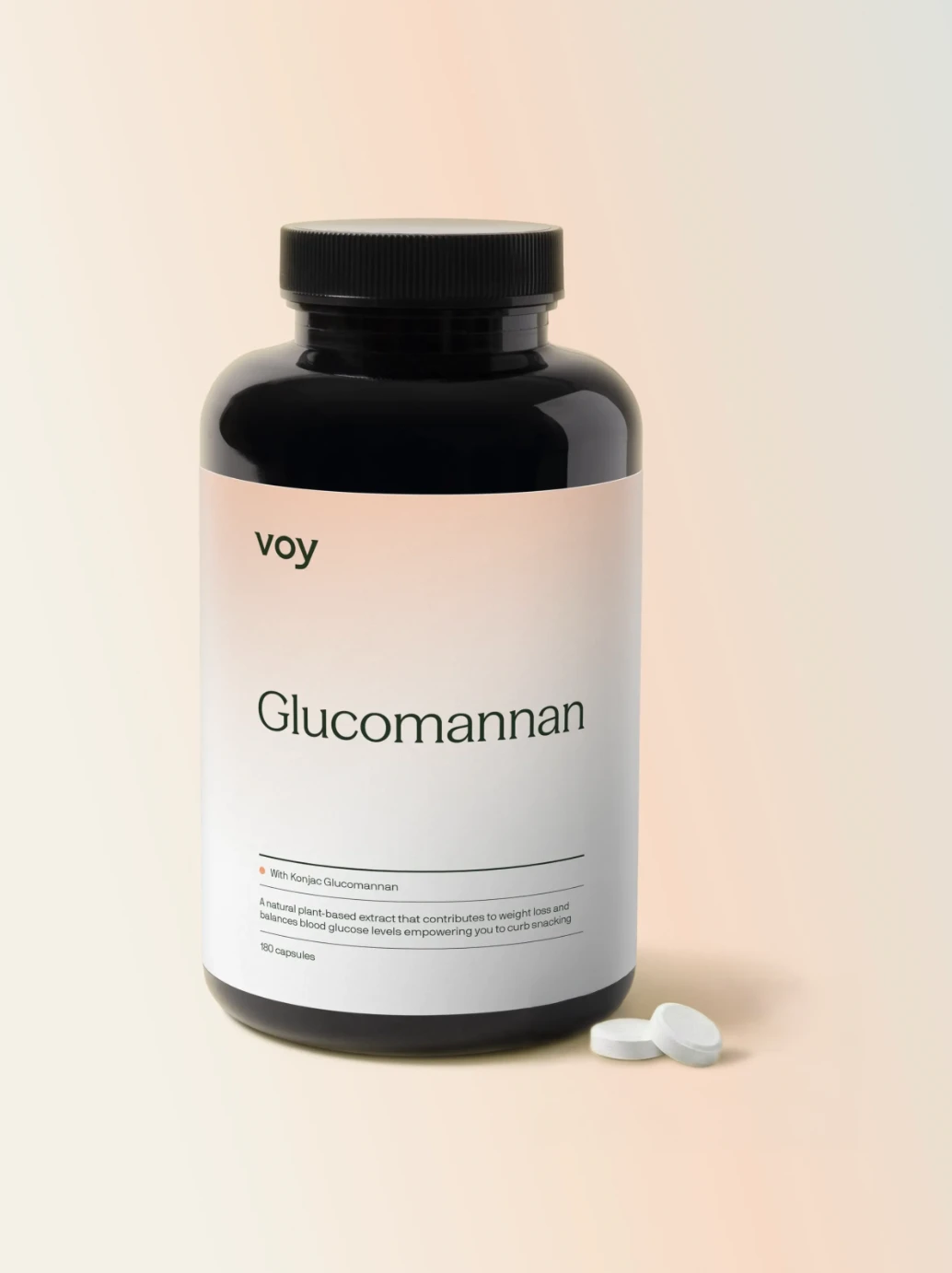
Compounded bioidentical HRT (cBHRT) is made by specialist pharmacies, mixed to individual prescriptions, and sold by private clinics. It is not MHRA-licensed. It does not go through the same manufacturing controls, safety testing, or regulatory oversight as licensed products.
The concerns are specific and evidence-based and they are worth understanding clearly:
Inconsistent dosing. Without the manufacturing standards required for licensed products, the actual hormone content of a compounded preparation can vary significantly between batches. Too little may mean inadequate symptom relief. Too much may mean unrecognised overexposure to hormones.
The saliva testing problem. Many clinics offering cBHRT base their personalised dosing on testing hormone levels in saliva. The BMS position on this is also clear: salivary hormone levels are not a validated method for assessing menopause symptoms or guiding HRT dosing. Using saliva test results to make a compounded hormone product is not a recognised evidence-based practice.
The transdermal progesterone endometrial protection gap. This is the most clinically significant concern. Many cBHRT preparations deliver progesterone transdermally, as a cream applied to the skin. The problem is that not all forms of transdermal progesterone reliably achieve sufficient concentrations in the body to provide adequate womb protection. For women with a uterus, progesterone is prescribed specifically to protect the uterine lining.
No required safety warnings. Licensed HRT carries a standardised patient information leaflet covering risks, contraindications, and monitoring requirements. Compounded products carry no such requirement. The BJGP commentary noted that women using cBHRT often believe they are using something safer than standard HRT, when in fact they are using something with no safety data at all.
None of this is an argument that hormones are dangerous. It is an argument that quality control, manufacturing oversight, and evidenced effectiveness matter hugely when prescribing hormones.
The safety data: what the evidence actually shows
Evidence consistently supports the use of regulated body-identical HRT over older synthetic formulations. The data we have is robust and based on reliably-conducted and internationally-recognised studies.
Transdermal oestrogen and VTE risk
Venous thromboembolism (blood clots) was one of the primary safety concerns raised by the WHI trial back in 2002. The WHI trial used oral oestrogen but the route by which oestrogen is delivered into the body matters hugely.
A landmark study published in The Lancet by Scarabin and colleagues (2003) found that transdermal (through the skin) oestrogen is NOT associated with increased blood clot risk, while oral oestrogen is. This finding has been consistently replicated in numerous studies over the years.
The largest and most UK-relevant replication is a 2019 study by Vinogradova and colleagues, published in the BMJ, using the QResearch and CPRD databases, two of the UK's largest primary care datasets. The conclusion: women using transdermal oestrogen preparations had no increased blood clot risk compared to women not using HRT. However, as already stated, oral oestrogen preparations do carry an increased risk, with the risk increasing with higher doses.
If blood clot risk has been a reason you've hesitated about HRT, please know that the data clearly shows that transdermal body-identical oestrogen, the standard approach at Voy, does not carry the blood clot risk that was associated with the older oral formulations studied in the WHI. This is exactly why women with a history of blood clots can very safely use transdermal HRT to manage their menopause symptoms.
Micronised progesterone and breast cancer risk
The breast cancer question is the one that most women ask, and it deserves a careful answer. The WHI trial used a synthetic progestogen (medroxyprogesterone acetate), not micronised progesterone. The evidence base specifically for micronised progesterone is different, and more favourable.
The E3N cohort study, which followed 78,353 French women, found that HRT regimens combining oestrogen with micronised progesterone were not associated with increased breast cancer risk for short-term use, whereas regimens using synthetic progestogens were associated with an increased risk. This is the most frequently cited large-scale evidence on this question.
A 2018 systematic review published in Climacteric by Stute and colleagues reviewed the available evidence and concluded that oestrogen combined with oral micronised progesterone does not increase breast cancer risk for up to five years of use.
It is important to be clear about what this evidence is and is not. These are large, well-designed observational studies, not randomised controlled trials. The biological mechanisms are plausible and the findings are consistent across multiple datasets. But observational evidence is not absolute certainty, and individual risk depends on personal and family history factors that only a specialist can assess properly.
"The appropriate takeaway is not "micronised progesterone has no breast cancer risk" but that the evidence suggests a more favourable risk profile than synthetic progestogens, which is why it is now the recommended first-line choice in UK clinical guidance."

What compounded BHRT offers by comparison
No equivalent safety evidence exists for compounded bioidentical HRT. No large cohort studies. No systematic reviews. The preparations are too variable in composition and dosing to be studied as a category. This is not a reason to believe they are unsafe. It is a reason to be cautious about believing they are safer.
What do the UK’s clinical bodies say?
Three of the leading UK clinical bodies on menopause and reproductive health, the British Menopause Society, the Royal College of Obstetricians and Gynaecologists, and the Society for Endocrinology, have issued a joint position statement (updated 2025) that addresses this question directly.
Their position: "The use of compounded bioidentical hormone replacement therapies is not recommended given the issues related to their purity, potency and safety."
The BMS consensus statement on bioidentical HRT adds further detail, flagging the saliva testing issue specifically and noting that regulated body-identical HRT, including transdermal oestradiol and micronised progesterone, is already available and already prescribed by menopause specialists working within evidence-based practice.
This is not a fringe position or a bureaucratic formality. It is the considered view of the clinicians who specialise in menopause care in the UK, based on the available evidence.
So which HRT does Voy prescribe?
Voy prescribes regulated, MHRA-licensed, body identical HRT. For most women, that means transdermal oestradiol (delivered via a patch, gel, or spray, depending on preference and clinical suitability) and, for women with a uterus, micronised progesterone. The specific formulation, dose, and combination are determined by your BMS-trained menopause specialist during your consultation, based on your symptoms, your medical history, and your individual circumstances.
This approach reflects what the evidence supports and what the BMS, RCOG, and Society for Endocrinology recommend. It is not a default. It is a considered clinical position.
Across Voy members on this treatment model, 88% felt more hormonally balanced at three months, compared to 62% receiving standard care. 93% reported an improvement in overall quality of life. 83% reported improved mood and emotional symptoms. These outcomes reflect what well-evidenced, regulated, specialist-led HRT can achieve.
Your initial consultation with a Voy menopause specialist is 45 minutes. That allows time to take a proper history, understand your symptoms, address your concerns about safety, and build a treatment plan that reflects your individual needs, not a generic prescription.
If you have a personal history of breast cancer or another condition that makes HRT unsuitable, your specialist will discuss the alternatives available to you, including options specifically studied in women for whom HRT is contraindicated.
This content is for informational purposes and does not constitute medical advice. Always consult a healthcare professional.