


















What are normal testosterone levels in men?
After the age of 30, testosterone levels naturally start to decline with age by roughly 1 to 2% each year. Scientific studies show that 1 in 4 men over the age of 30 may have abnormally low testosterone levels.
Levels of total testosterone higher than 12 nmol/L or free testosterone higher than 0.225nmol/L are considered normal. Although studies have shown men may be symptomatic of low testosterone with levels below 15nmol/L. A simple blood test can determine whether your testosterone levels are within a normal range.
Exploring individuality in TRT protocols
Each person’s experience with low testosterone is entirely unique - we believe their treatment should be too. Lifestyle and genetic factors affecthow each individual should be treated. Men also have different naturally occurring levels of sex hormones and molecules, like SHBG, which influence how certain medications act in the body - but we’ll get to those later.
As you can see, there’s no one-size-fits-all treatment protocol for low testosterone, the best protocol is one that’s tailored to your specific circumstances and that you can stick to consistently. Our TRT doctors will conduct a comprehensive diagnosis so that they can design a personalised, sustainable protocol for you which results in real improvements.
Here’s how the diagnostic process works:
- Initial blood test: An initial at-home, finger-prick blood test measures 4 biomarkers including your total and free testosterone levels. You can access your results in as little as 48 hours via your Voy account.
- Enhanced blood test: If the results of your first test indicate low testosterone levels, a comprehensive venous blood test (which measures 43 biomarkers) is required to confirm the initial blood test result, learn more about your health, and assess whether it’s safe to start TRT.
- Doctor consultation: You’ll have an in-depth discussion with one of our TRT doctors covering your medical history and lifestyle, your blood test results, your symptoms, the risks and benefits involved in TRT, treatment options (including costs), monitoring, and what to expect when you start treatment.
Treatment starts: Your doctor will design a personalised treatment plan that works specifically for you, including the right medication at just the right dose to suit your individual needs.
TRT medication options
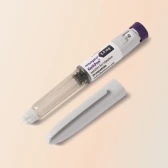
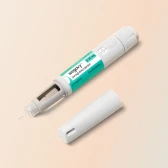
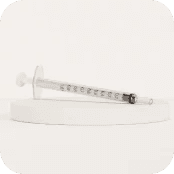
We’ve put together a rundown of the different TRT medication options, explaining their pros and cons. It’s also worth mentioning that if you’re planning to start a family you should start fertility treatment before starting TRT.
starting TRT.


Treatment adjustment & monitoring
You’re probably starting to see that low testosterone is a tricky condition to treat. There are a lot of physiological factors at play, plus your lifestyle has to be taken into careful consideration when choosing the right protocol.
A personalised, bespoke treatment is key to TRT as no one responds in the same way to the same treatment method, dosing or dosing frequency. Whilst most patients start on similar protocols, it’s essential that treatment is adapted to your unique needs. That’s why regular follow-ups and blood analysis are so important.
After you’ve started your TRT protocol, we’ll test your blood at 3 months, 6 months, and 12 months, and you’ll receive direct feedback and counselling from a doctor after each test. These test results will allow your doctor to effectively monitor your progress and make incremental adjustments to your protocol (adding different medications if required) to ensure that your body gets the right amount of testosterone to put your levels within a healthy physiological range. Patience is key here. It can take a few months up to a year in some cases, but it’s important to trust the process to achieve the best results.
Understanding physiological factors in TRT
Aside from your individual testosterone levels, there are other physiological factors at play that can influence the response of TRT. Sex hormone binding globulin (SHBG) levels, oestrogen levels, and androgen receptor type vary between men, so it’s important to tailor treatment with these in mind.
Sex Hormone Binding Globulin (SHBG)
SHBG is a protein which binds to three hormones – testosterone, oestrogen, and dihydrotestosterone (DHT) – in order to transport them through the bloodstream. When SHBG binds to testosterone it reduces the amount of the hormone available in the blood.
SHBG levels are affected by age, insulin sensitivity, liver health, and alcohol consumption, among other things. Using different dosing strategies (including adding certain medications alongside TRT) can help to treat men with high or low SHBG levels.
Oestrogen (oestradiol)
Oestrogen (specifically oestradiol) levels vary in men due to the amount of aromatase found in their bodies. Aromatase is an enzyme which shears off part of the testosterone molecule, converting it into oestrogen. Factors such as genetics, body fat, diet, and alcohol intake contribute to these variations.
Androgen receptors
Androgen receptors are proteins which play a crucial role in shaping male sexual characteristics and the regulation of muscle and bone growth. When sex hormones such as testosterone activate them, they bind to specific DNA regions and essentially regulate the activity of certain genes.
Androgen receptor type is probably more important than the levels of testosterone in your body – two men with the same testosterone levels can see variations in the effect on things like muscle mass or bone density.
These variations in physiology highlight the importance of tailoring TRT protocols to each individual.