


















NICE. Menopause: identification and management (NG23). 2015 (updated 2024). Available at: https://www.nice.org.uk/guidance/ng23
Key takeaways
- At-home perimenopause test kits measure FSH (follicle-stimulating hormone), but a single measurement can't reliably diagnose perimenopause because hormone levels fluctuate wildly during this phase.
- NICE guidelines state that women aged 45+ with typical symptoms don't need blood tests to confirm perimenopause — your symptoms are the diagnosis.
- A "normal" FSH result doesn't mean you're not in perimenopause, and a high FSH doesn't confirm it — the biology is more complex than a single number can capture.
- If you're experiencing symptoms that are disrupting your life, that's reason enough to seek specialist care, regardless of what a test kit says.

Why so many women feel confused about perimenopause
Whether you're at the "is this perimenopause?" stage or the "I've done the test and I'm more confused than ever" stage, this article is for you. If you’ve found yourself googling “am I going through menopause?” in the middle of the night, you’re not alone. When your sleep, mood, memory, and energy all feel off, it’s natural to want a clear answer.
Around 13 million women in the UK are currently experiencing perimenopause or menopause, and many spend years trying to understand symptoms before getting proper support. That’s why at-home menopause test kits can seem appealing. But while they promise clarity, hormone tests during perimenopause are often unreliable and can create more confusion than reassurance.
In this guide, we’ll explain what menopause test kits actually measure, why FSH testing isn’t usually recommended during perimenopause, when hormone testing may be useful, and how menopause is typically diagnosed in clinical practice using symptoms, medical history, and menstrual changes. Whether you’re trying to work out if this is perimenopause or wondering why your test results don’t match how you feel, this guide will help you make sense of it.
What is a perimenopause test kit?
Most at-home perimenopause test kits measure FSH (follicle-stimulating hormone), a hormone produced by your pituitary gland that rises as your ovaries produce less oestrogen. Some kits also measure LH (luteinising hormone) or oestradiol (a form of oestrogen), but FSH is the primary marker.
The basic science: as you approach menopause, your ovaries gradually produce less oestrogen. Your brain detects this drop and responds by releasing more FSH in an attempt to stimulate the ovaries. So in theory, a high FSH level suggests your ovaries are winding down, a hallmark of perimenopause and menopause.
Test kits typically work one of two ways:
- Urine test: You urinate on a stick (similar to a pregnancy test), and the kit indicates whether your FSH level is elevated
- Finger-prick blood test: You collect a small blood sample at home and send it to a lab, which measures your FSH, LH, and sometimes oestradiol levels
Results usually take 24-48 hours for urine tests (instant read) or 2-7 days for blood tests sent to a lab. Kits cost anywhere from £10-£80 depending on how many hormones are measured and whether the sample is analysed in a lab. Sounds straightforward, right? Here's where it gets complicated.
Why FSH testing is unreliable during perimenopause
The single biggest problem with perimenopause test kits: perimenopause is defined by hormone fluctuation, and a single measurement captures only a snapshot of a constantly shifting picture.
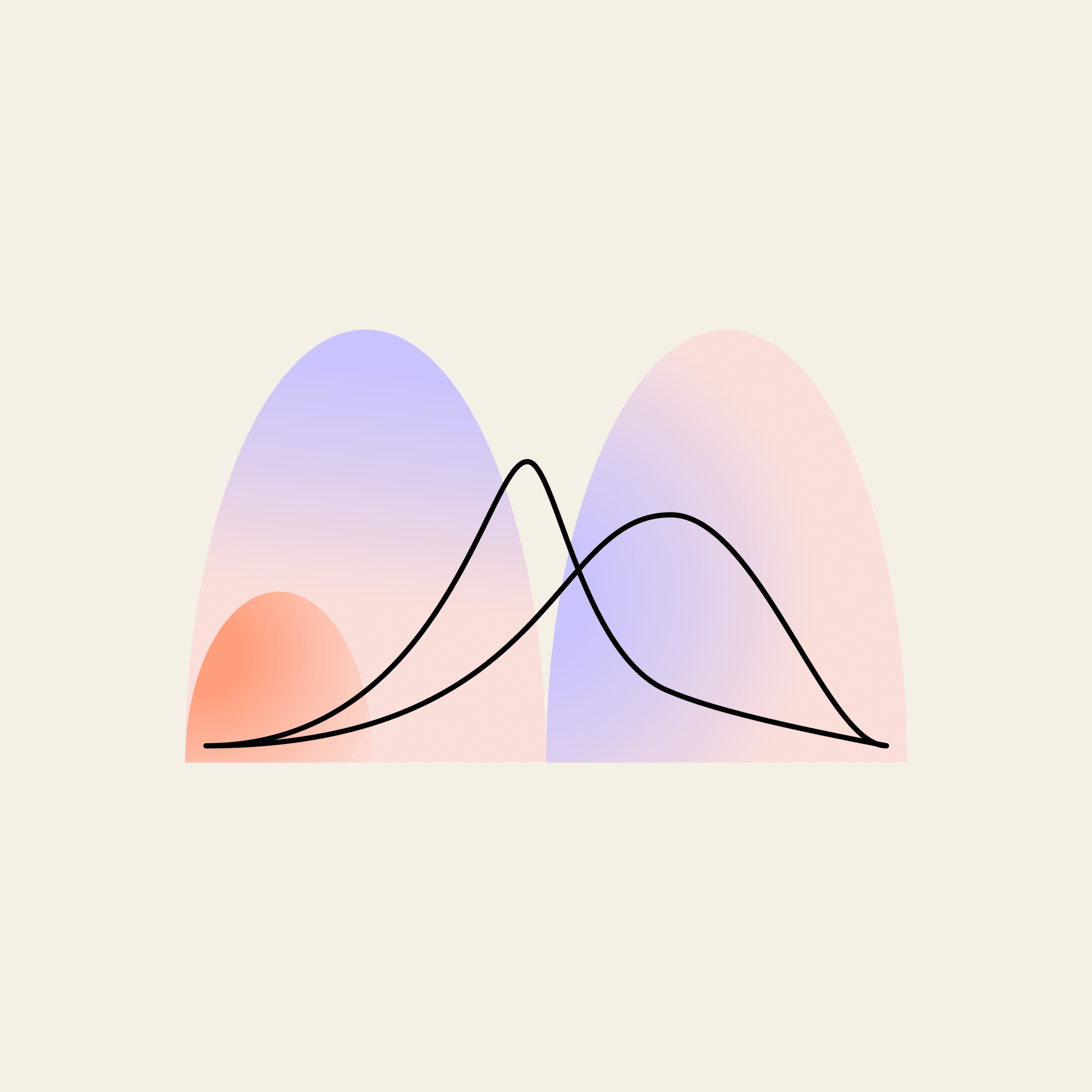
Hormone levels fluctuate dramatically
During perimenopause, hormones don’t decline in a smooth, predictable way. Research from the landmark SWAN study found that FSH levels can vary significantly over short periods of time, meaning you can have clear menopause symptoms while still receiving a “normal” result.
FSH rises gradually, not suddenly
FSH doesn’t suddenly switch from “normal” to “menopausal.” Levels can begin increasing years before menopause, while oestrogen often declines later in the transition. This means symptoms like irregular periods, brain fog, poor sleep, and mood changes can appear long before FSH reaches a so-called menopausal range.
There's no clear FSH cutoff
A 2020 review published in Endocrine Practice concluded that a single FSH measurement has limited value in determining menopausal status on its own. In other words: one test cannot reliably confirm or rule out perimenopause.
Hormonal contraception interferes with results
If you're on the pill, have a Mirena coil, or use any form of hormonal contraception, your test results will be meaningless. Hormonal contraception suppresses your natural hormone production, so FSH testing can't tell you what your ovaries are actually doing. The Royal College of Obstetricians and Gynaecologists (RCOG) explicitly states that menopause self-test kits "have no value if hormonal contraception is being used".
When a test might actually be useful (and when it definitely isn't)
So if perimenopause test kits are unreliable for most women, are there any situations where hormone testing genuinely helps?
When testing IS recommended
For most women over 45, menopause is diagnosed based on symptoms and changes to periods rather than blood tests. Hormone levels fluctuate significantly during perimenopause, which makes tests like FSH unreliable for many women. However, NICE (National Institute for Health and Care Excellence) guidelines state that testing may be helpful in some situations, including:
- Suspected premature ovarian insufficiency (POI) If menopausal symptoms begin before age 40, hormone testing can help confirm POI, which often requires earlier and longer-term treatment.
- After a hysterectomy If your uterus has been removed but your ovaries remain, blood tests may help assess whether you’re approaching menopause, since you can’t track changes in periods.
In some cases, clinicians may also consider testing in women aged 40–45 with symptoms of early menopause, depending on the clinical picture.
When testing is NOT recommended
NICE guidelines are clear: women aged 45 and over with typical perimenopausal or menopausal symptoms do not need hormone blood tests. Your symptoms, irregular periods, hot flushes, night sweats, mood changes, brain fog and sleep disruption are the diagnosis.
Why? Because:
- FSH levels fluctuate during perimenopause, making results unreliable
- Knowing your FSH level won't change the treatment approach. Your symptoms guide treatment decisions, not a number on a lab report
- Testing creates unnecessary cost and potential confusion (a "normal" result when you clearly have symptoms can leave you feeling dismissed)
“The British Menopause Society (BMS) guidance aligns with NICE: "Women aged 45+ presenting with menopausal symptoms should be diagnosed based on symptoms alone, without confirmatory blood tests unless uncertainty about diagnosis exists".”

If not through testing, how should perimenopause be diagnosed?
Symptom-based diagnosis is the gold standard. For women aged 45 and over with typical symptoms, diagnosis is clinical. Meaning it's based on your symptom presentation and menstrual history, not lab tests. What a proper perimenopause assessment looks like:
1. Menstrual history: Have your periods changed? Are they becoming more irregular, heavier, lighter, closer together, or further apart? Changes in bleeding patterns can be an important clue, although in early perimenopause some women do continue having completely regular periods.
2. Comprehensive symptom review: A specialist will ask about the full range of potential symptoms:
- Vasomotor symptoms: Hot flushes, night sweats
- Sleep disruption: Difficulty falling asleep, waking frequently, early morning waking
- Mood and emotional changes: Anxiety, low mood, irritability, emotional sensitivity
- Cognitive symptoms: Brain fog, memory problems, difficulty concentrating
- Physical symptoms: Joint pain, muscle aches, headaches, heart palpitations
- Sexual health: Reduced libido, vaginal dryness, pain during sex
- Other changes: Skin changes, hair thinning, weight changes
3. Medical history: Other conditions that might explain symptoms (thyroid problems, anaemia, depression, sleep disorders), medications you're taking, surgical history, and family history of early menopause.
4. Your goals and priorities: What symptoms are affecting your life most? What does "feeling better" look like to you? This shapes the treatment plan. This is what a 45-minute consultation with a BMS-trained menopause specialist provides: time to explore the full picture, not rush through a checklist. And it's why 88% of Voy members felt more hormonally balanced at 3 months, compared to 62% receiving standard care (Voy patient internal data, February 2026, sample size=301). Proper assessment leads to properly tailored treatment.
What to do instead of buying a test kit
If you're experiencing symptoms that might be perimenopause, here's what will actually help:
Track your symptoms
Before spending money on a test, spend a few weeks tracking what you're experiencing:
- Menstrual patterns: Are your periods changing? Note the date, flow, and length
- Daily symptoms: Keep a simple log of hot flushes, sleep quality, mood, energy, brain fog
- Impact on life: What's actually disrupting your day-to-day? Work? Relationships? Sleep? Confidence?
This symptom diary is more diagnostically useful than an FSH measurement. It gives a specialist the full picture of what's happening and what needs to be addressed.
See a menopause specialist
A GP can diagnose and treat perimenopause, and many women receive excellent menopause care through their NHS doctor. However, appointments can be brief, and because symptoms can vary so widely from person to person, it can be best to seek longer specialist consultations for more in-depth support and treatment planning.
Voy's menopause specialists are BMS-trained (British Menopause Society accredited) and conduct 45-minute consultations. That's enough time to properly review your symptoms, explore your medical history and discuss treatment options. These include HRT, testosterone therapy, CBT, nutrition support and building a personalised plan around your needs, not a protocol.
Not sure what’s normal anymore?
When you're experiencing new symptoms, it can be hard to know what’s part of menopause and what’s not. You deserve care that looks at the full picture.
For perspective: a one-time consultation with Voy costs £99, compared to £295 at many private clinics. That's less than buying multiple test kits and still cheaper than most private menopause care, and you're getting expert assessment, not just a number on a lab report.