









Avis NE, Crawford SL, Greendale G, et al. (SWAN study team). Duration of menopausal vasomotor symptoms over the menopause transition. JAMA Internal Medicine, 2015. https://pubmed.ncbi.nlm.nih.gov/25686030/
Key takeaways
- Menopausal night sweats are caused by a hormonal disruption to your brain's temperature-regulation system, and they affect 50–80% of women going through menopause.
- The SWAN study found a median duration of 7.4 years for frequent vasomotor symptoms. Women whose symptoms begin in perimenopause may experience them for considerably longer.
- Effective treatments go well beyond lifestyle adjustments. HRT, a newly NICE-approved non-hormonal medication, and CBT all have strong evidence behind them.
Most women know menopause is coming. Few are prepared for what it does to their sleep.
Waking drenched at 2am, heart pounding, kicking off the duvet only to pull it back five minutes later. This is the reality of menopausal night sweats for millions of women in the UK. And yet most of the information available online is vague, US-centric, and light on evidence. "Stay cool." "Avoid spicy food." "Try a fan." You've probably read it all already.
This guide goes further. It explains what's actually happening in your body, why some women are more affected than others, how long symptoms typically last (the data here may surprise you), and what the full range of treatments looks like in 2026, including a newly NICE-approved non-hormonal option that most articles haven't caught up with yet.
What actually happens during a menopausal night sweat
Night sweats and daytime hot flushes are related, but they're not quite the same experience. Both are classified as vasomotor symptoms, meaning they involve sudden changes in blood flow and body temperature. What distinguishes a night sweat is the context: it happens during sleep, which means the disruption compounds. You wake repeatedly, your sleep architecture fragments, and the tiredness that follows seeps into every part of the next day.
The underlying mechanism involves your hypothalamus, the part of your brain that acts as your body's thermostat. Under normal conditions, the hypothalamus maintains what researchers call a thermoneutral zone: a narrow band of core body temperature within which you feel comfortable. When your temperature edges above it, you sweat to cool down. When it drops below, you shiver to warm up.
During menopause, as oestrogen signalling changes, this thermoneutral zone narrows significantly. Your hypothalamus becomes hypersensitive to even tiny changes in body temperature (triggering a cooling response, flushing, sweating, rapid heart rate) that would normally be reserved for a genuine overheating event. At night, when your core temperature naturally shifts during sleep cycles, this hair-trigger response fires repeatedly.
A comprehensive 2025 review published in Temperature confirmed that vasomotor symptoms affect 50–80% of menopausal women and are directly linked to poorer quality of life across multiple domains, including sleep, mood, and cognitive function.
Why do they happen? The hormonal cause
Oestrogen does far more than regulate your menstrual cycle. It plays an active role in how your hypothalamus processes temperature signals. As ovarian function declines, a group of neurons in the hypothalamus called KNDy neurons (named for the signalling molecules they produce: kisspeptin, neurokinin B, and dynorphin) become overactive.
Neurokinin B (NKB) is the key player here. In the presence of adequate and stable oestrogen levels, NKB activity is kept in check. When oestrogen levels fall or fluctuate, NKB signals amplify, and it's this amplified signalling that directly triggers the thermoregulatory response behind hot flushes and night sweats.
This neurological mechanism matters for understanding treatment. HRT works by stabilising or replenishing oestrogen levels, which quiets the KNDy neurons and, in turn, NKB activity. A newer class of non-hormonal treatment works by blocking the NKB receptor directly, achieving a similar effect without using hormones at all. More on that shortly.
A 2023 systematic review and meta-analysis of fezolinetant, the neurokinin-3 receptor antagonist now approved for NHS use, confirmed that targeting this pathway significantly reduces both the frequency and severity of vasomotor symptoms.
What makes them worse: common triggers to know
A shift in hormones creates the underlying vulnerability. Triggers are the things that tip the thermostat over the edge on any given night. Understanding yours can help you reduce the frequency of episodes, even before treatment starts.
Alcohol. Even modest amounts raise your core body temperature and dilates blood vessels. For many women, a single glass of wine is enough to guarantee a 3am wake-up. The effect is dose-dependent, so reducing (rather than eliminating) can still make a difference.
Caffeine. Stimulates the central nervous system and can raise skin temperature, lowering the threshold for a thermoregulatory response. Timing matters as much as quantity: caffeine consumed after 2pm has a longer effect window than most people realise.
Spicy food. Capsaicin, the compound that makes food hot, activates the same temperature-sensing receptors in the skin and gut that the hypothalamus uses to assess body temperature. In a sensitised system, this is enough to trigger flushing.
A warm bedroom. When ambient temperature is already elevated, there's less room for your body to cool itself before the thermostat fires. Keeping your room below 18°C is generally recommended. Breathable, moisture-wicking bedding makes a practical difference.
Stress and anxiety. Psychological stress activates the sympathetic nervous system, raising core temperature and heart rate. For many women, anxiety and night sweats exist in a cycle: the sleep disruption worsens anxiety, which worsens night sweats.
Smoking. Tobacco use is independently associated with more frequent and severe vasomotor symptoms. The mechanism involves nicotine's effect on oestrogen metabolism.
Higher BMI. Adipose (fat) tissue acts as insulation, making it harder for the body to dissipate heat. This is one of the reasons vasomotor symptoms tend to be more severe in women with increased weight.
“Knowing your triggers is useful, but it's worth being realistic: managing triggers reduces the burden; it rarely eliminates it. If your night sweats are significantly affecting your sleep and wellbeing, trigger management alone is unlikely to be enough.”

How long do menopausal night sweats last?
This is the question most women ask, and it's the one most articles dodge. The honest answer is longer than most people expect, but it varies considerably, and treatment changes the picture significantly.
The most robust data comes from the SWAN study (Study of Women's Health Across the Nation), a large observational study of 3,302 women, published in JAMA Internal Medicine in 2015. The findings: the median total duration of frequent vasomotor symptoms was 7.4 years. For women whose symptoms began during perimenopause, before their final menstrual period, the median duration exceeded 11.8 years.
Those are population-level medians. Half of women experience symptoms for shorter periods; half for longer. But these figures matter because they counter the commonly held belief that night sweats are a brief transitional phase. For many women, they are not.
The earlier your symptoms begin, the longer they tend to last. Women who start experiencing night sweats in their early-to-mid forties, during perimenopause, face a considerably longer window than those whose symptoms emerge around their final period.
This isn't meant to be alarming. It's meant to be validating. If you've been experiencing night sweats for years and wondering whether this is simply your life now, the data says: it probably won't go away on its own, and seeking treatment is a reasonable, evidence-based choice.
The real impact: more than just a bad night's sleep
Poor sleep is the most immediate consequence of night sweats, but it's rarely where the impact stops. When your sleep is fragmented night after night, the downstream effects accumulate quickly.
Cognitive function suffers. Brain fog, difficulty concentrating, and problems with memory are frequently reported by women with significant vasomotor symptoms. The sleep deprivation component explains some of this, but oestrogen itself plays a role in neurological function, so the relationship is direct as well as indirect.
Mood deteriorates. Anxiety and low mood are strongly associated with vasomotor symptom burden. The sleep disruption amplifies this, and many women describe a version of themselves during this period that they find difficult to recognise: more irritable, less resilient, quicker to overwhelm.
Work and relationships are affected. Women report reduced concentration at work, embarrassment about visible flushing during meetings, and the strain that chronic sleep deprivation places on relationships. These are not minor quality-of-life inconveniences. They are significant, measurable disruptions.
Research published in PLOS ONE also found an association between vasomotor symptoms and increased cardiovascular risk, though this relationship is partly explained by shared risk factors rather than direct causation. It is one more reason why treatment deserves to be taken seriously.
Voy's outcome data reflects the breadth of this impact. Across members receiving menopause treatment, 83% reported improved mood and emotional symptoms, and 93% reported an improvement in overall quality of life. These figures capture what treatment restores, not just the primary symptom it addresses.
What actually helps: treatments that work
This is where most articles let women down. The generic advice to "sleep in a cool room and avoid alcohol" is not wrong, but it is incomplete. Here is what the evidence actually supports.
HRT: the most effective treatment for most women
Hormone Replacement Therapy (HRT) remains the most effective treatment for vasomotor symptoms, recommended as first-line by both NICE and the British Menopause Society. It works by restoring oestrogen to levels that stabilise the hypothalamus's thermoregulatory response.
For most women, the benefits of HRT outweigh the risks. Your BMS-trained specialist will assess your individual history, including any personal or family history of breast cancer or cardiovascular conditions, before making a recommendation. HRT is not a one-size-fits-all: it comes in patches, gels, sprays, tablets, and coils, and the right combination for you depends on your symptoms, your medical history, and your preferences.
If you've read conflicting information about HRT safety over the years, you're not alone. Media coverage has been inconsistent. The current clinical consensus, reflected in NICE guidance and BMS recommendations, is that for the majority of women who are otherwise healthy, the benefit-risk profile is favourable.
In Voy's outcome data, 88% of members felt more hormonally balanced at three months, compared to 62% receiving standard care. 71% reported improved sleep.
Fezolinetant (Veoza): the newly NICE-approved non-hormonal option
In March 2026, NICE approved fezolinetant 45mg (brand name: Veoza) for NHS use in women with moderate to severe vasomotor symptoms for whom HRT is unsuitable. This is significant, and most articles currently ranking for this keyword have not caught up with it.
NICE estimates that over 500,000 women in the UK are eligible to benefit. This includes women with a history of hormone-sensitive cancer, for whom HRT is typically contraindicated, as well as women who have tried HRT and found it unsuitable.
The 2023 systematic review and meta-analysis of fezolinetant's efficacy confirmed significant reductions in hot flush frequency and severity across trials. It is currently available on NHS prescription where NICE criteria are met.
If HRT is not an option for you, or if you've been told there's nothing else available, fezolinetant is worth discussing with a menopause specialist.
Lynkuet (Elinzanetant): a non-hormonal option
Not every woman can take HRT, and not every woman wants to. If you have a history of hormone-sensitive breast cancer, blood clots, or other conditions that make HRT unsuitable, or if you simply prefer a non-hormonal approach, Lynkuet (elinzanetant) is now available through Voy as a clinically proven alternative.
“Elinzanetant works differently from HRT. Rather than replacing oestrogen, it targets the root cause of vasomotor symptoms at a neurological level. During menopause, falling oestrogen levels cause neurons in the hypothalamus (the brain's temperature control centre) to become overactive. Elinzanetant blocks two neurokinin receptors (NK1 and NK3) that drive this overactivity, calming the signals that trigger hot flushes and night sweats without affecting hormone levels.”
This dual-receptor mechanism is clinically significant. By blocking both NK1 and NK3 receptors, elinzanetant addresses vasomotor symptoms and may offer additional improvements in sleep quality beyond what is achieved by reducing night sweats alone.
The clinical evidence supports this. In a phase 3 trial published in the New England Journal of Medicine, elinzanetant significantly reduced the frequency and severity of moderate-to-severe vasomotor symptoms compared to placebo, with improvements seen as early as week one. Sleep disturbance also improved meaningfully in women taking elinzanetant — an important finding given how severely night sweats can disrupt rest and recovery.
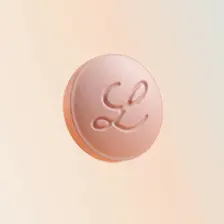
Lynkuet is taken as a once-daily oral tablet, making it straightforward to incorporate into a daily routine. It is prescribed following a consultation with a Voy menopause specialist, who will assess whether it is the right option for your symptoms and medical history.
Lynkuet also holds a specific MHRA licence for women experiencing hot flushes caused by adjuvant endocrine therapy for breast cancer. Women taking these treatments often experience severe vasomotor symptoms but cannot use HRT. For this group in particular, Lynkuet represents an important licensed treatment option where very few have previously existed.
Who is Lynkuet suitable for?
Lynkuet may be appropriate if:
- HRT is not suitable for you due to personal or family medical history
- You have tried HRT and not found it effective, or experienced side effects that led you to stop
- You prefer a non-hormonal treatment for personal reasons
- You are experiencing hot flushes or night sweats as a result of adjuvant endocrine therapy for breast cancer
- Your night sweats are moderate to severe and significantly affecting your sleep and quality of life
- As with any treatment, suitability is assessed individually. A Voy menopause specialist will discuss your full symptom picture, your medical history, and your preferences before recommending Lynkuet or any other treatment.
CBT: the evidence-based talking therapy option
CBT (Cognitive Behavioural Therapy), a structured talking therapy, is recommended by the British Menopause Society's November 2025 consensus statement as an evidence-based non-hormonal option for managing vasomotor symptoms.
The evidence base includes the MENOS 2 randomised controlled trial, which found that CBT, in both group and self-help formats, significantly reduced the problem rating of hot flushes and night sweats in menopausal women. The effect was consistent regardless of age, BMI, or menopause status.
CBT for menopause symptoms doesn't aim to eliminate hot flushes or night sweats physically. It works by reducing the distress associated with them: changing the way your nervous system responds to the symptoms, reducing anticipatory anxiety, and breaking the feedback loop between stress and symptom severity. For many women, this makes a meaningful practical difference, even when the symptoms themselves continue.
Voy offers CBT as part of its menopause service, alongside HRT, testosterone, and other treatment options.
Other non-hormonal prescription options
The BMS consensus statement also supports the use of some other non hormonal medications in certain cases.
Lifestyle adjustments: useful, but realistic
Keeping your bedroom below 18°C, using breathable bedding and nightwear, reducing alcohol and caffeine, and managing stress all have a role. They reduce the frequency and severity of episodes at the margins. They are not a substitute for treatment when symptoms are significantly affecting your life.
When night sweats might mean something else
For the vast majority of women in their forties and fifties experiencing night sweats alongside other perimenopausal symptoms, the cause is hormonal. But night sweats can occasionally be associated with other conditions, including thyroid dysfunction, infections (e.g viral, TB, Malaria), some types of cancers (most commonly blood cancers), and certain medications.
If your night sweats came on suddenly without other signs of perimenopause, if they are accompanied by unexplained weight loss, persistent fever, or other symptoms that don't fit the pattern, or if you are under 40, it is worth speaking to a specialist to rule out other causes. This is not meant to alarm: it is meant to support you in getting an accurate picture of what's driving your symptoms.
What to expect from a Voy menopause consultation
If you recognise yourself in this article and you're ready to do something about it, here is what Voy's approach looks like.
Your initial consultation is 45 minutes with a BMS-trained menopause specialist. That's not a questionnaire and an auto-generated plan. It's a conversation, long enough to actually cover your symptoms, your history, and your priorities. Many women tell us it's the first time they've felt genuinely listened to about their menopause.
From there, your specialist will work with you on a personalised treatment plan. That might mean HRT in one of its many formulations. It might mean fezolinetant if HRT isn't suitable for you. It might include CBT, testosterone therapy, vaginal oestrogen, supplements, or a combination. The plan adapts as your symptoms change.
At three months, 88% of Voy members felt more hormonally balanced than they had done under standard care. 71% reported improved sleep. 93% reported an improvement in overall quality of life.