














Kamp E., Ashraf M., Musbahi E., DeGiovanni C. Menopause, skin and common dermatoses. Part 2: skin disorders. Clinical and Experimental Dermatology, 2022. https://doi.org/10.1111/ced.15308
Key takeaways
- Falling oestrogen levels during menopause directly damage your skin's ability to hold moisture, leading to dryness, irritation, and itching across the body.
- Itching during menopause takes several forms, including a crawling sensation under the skin known as formication, which is a recognised menopause symptom that many women are never told about.
- Effective treatments exist, from HRT and vaginal oestrogen to targeted skincare and simple daily changes, and the right combination depends on where your itching is and what's driving it.

Itchy skin affects up to 64% of women attending menopause clinics, according to a 2022 review in Clinical and Experimental Dermatology. That makes it one of the most common dermatological symptoms of menopause, and one of the least likely to come up in a ten-minute GP appointment.
If your skin has become drier, more irritable, or prone to itching that you can't explain, you are not imagining it. There is a clear biological reason it is happening, and there are treatments that can help.
This guide covers why menopause causes itchy skin, and what the evidence actually says about the treatments and day-to-day changes that make a difference.
Is itchy skin a symptom of menopause?
Yes. Itchy skin, known clinically as pruritus, is a well-documented symptom of both perimenopause and menopause.
A 2022 review by Kamp et al., published in Clinical and Experimental Dermatology, found that up to 64% of women attending menopause clinics report skin problems, with pruritus and xerosis (dry skin) among the most common. A 2022 review in Climacteric, the journal of the International Menopause Society, confirmed that skin dryness and itching are among the most prevalent dermatological changes associated with the menopause transition.
Symptoms can begin during perimenopause, often years before periods stop. Some women notice gradual changes; others describe itching that appears suddenly and seemingly without cause.
The good news is that this is a symptom with a clear physiological explanation, and one that responds well to the right treatment.
Why does menopause make your skin itchy?
The oestrogen connection- to understand why menopause causes itchy skin, it helps to understand what oestrogen actually does for your skin throughout your life.
Oestrogen receptors are found throughout the skin: in the epidermis (the outer layer), the dermis (the deeper layer), and the hair follicles. Oestrogen plays a role in collagen production, sebum (natural oil) secretion, skin hydration, and the integrity of the skin barrier. When oestrogen levels fall during menopause, all of these functions are affected simultaneously.
Collagen
Collagen is the structural protein that keeps skin firm and resilient. Oestrogen drives collagen production, and when it declines, production drops sharply. A 2026 review published in Life (MDPI), citing randomised controlled trial data, confirmed that nearly a third of skin collagen is lost in the first five years after menopause. Less collagen means thinner, more fragile skin that is far more prone to irritation.
The skin barrier.
Healthy skin holds moisture through a combination of ceramides (lipid molecules that act as a waterproof seal between skin cells) and a process called transepidermal water loss (TEWL). When the skin barrier is intact, TEWL is low: moisture stays in. When it is damaged, TEWL increases and moisture escapes, leaving skin dry, tight, and itchy.
A 2025 study by Cvjetković Nikoletić et al., published in Skin Research and Technology, measured skin hydration in 81 women, comparing postmenopausal women with women of reproductive age. The postmenopausal group showed significantly lower skin hydration, directly linking hormonal decline to measurable impairment of the skin's moisture-retention capacity.
Oestrogen deficiency leads to decreased ceramides, impaired barrier function, increased TEWL, and reduced water-holding capacity, all contributing to dryness and itching.
Natural oil production.
Oestrogen supports sebum production, which forms part of the skin's natural protective film. As oestrogen falls, sebum output decreases, removing another layer of natural moisture protection.
The result of all three of these changes happening at once is skin that is thinner, drier, less able to retain moisture, and significantly more sensitive to irritation.
What does menopause itching feel like?
Menopause-related itching does not always feel like the kind of itch you get from dry skin or an insect bite. It can take several distinct forms, and understanding which one you are experiencing can help guide the right treatment approach.
Dryness-driven itch.
The most common type. Skin feels tight, rough, or parched, and the itch is a direct result of the damaged skin barrier and moisture loss described above. It tends to be worse after bathing, in heated indoor environments, and during winter months when humidity is low.
Prickling or pins and needles.
Some women describe a prickling sensation or feeling of pins and needles across the skin, particularly on the arms, legs, or torso. This is related to the effect of oestrogen on nerve endings and itch-signalling pathways in the skin.
Formication.
This is the medical term for the sensation of insects crawling on or under the skin. There is no visible rash, no obvious irritation, nothing to scratch. Just an uncomfortable, sometimes deeply unsettling feeling of movement beneath the surface.
Formication is a recognised menopause symptom. It is caused by the effect of fluctuating and declining oestrogen on the nervous system and on sensory nerve endings in the skin. It is not a sign of something sinister, and it does not mean your skin is damaged. It is, however, real, and it deserves to be taken seriously.
If you have experienced formication and were not sure what it was, or whether to mention it to a doctor, the answer is: yes, mention it. It is part of the menopause picture and it responds to the same hormonal treatment approaches as other skin symptoms.
Where on your body can menopause cause itching?
Menopause-related itching can affect almost any part of the body, and the location sometimes points to different underlying mechanisms and different treatment priorities.
Generalised or whole-body itching.
Itching across the trunk, arms, and legs without a specific focus is the most common pattern. It is driven by the systemic skin barrier changes described above and tends to respond to moisturising routines and, where appropriate, HRT.
Face.
The face is often one of the first places women notice skin changes during menopause: more sensitivity, easier flushing, occasional itching or tingling. Collagen loss in facial skin is particularly rapid in the early years after menopause, and the skin becomes noticeably thinner and more reactive.
Scalp.
Itching of the scalp during menopause is common and can coincide with hair thinning, another oestrogen-related change. It is driven by reduced sebum production in the scalp's oil glands and changes to the hair follicle environment.
Vulva and vaginal area.
This is the type of itching that many women find hardest to raise with a doctor. Vaginal and vulval itching during menopause is often caused by a specific condition called Genitourinary Syndrome of Menopause (GSM).
GSM is the medical term for the collection of symptoms caused by declining oestrogen in the genital and urinary tissues: vaginal dryness, thinning of the vaginal walls, reduced lubrication, itching, burning, discomfort during sex, and urinary symptoms. It is extremely common (affecting the majority of postmenopausal women), and it is significantly undertreated because many women assume these symptoms are an inevitable part of ageing and do not mention them.
GSM does not respond well to general moisturisers applied elsewhere. It requires targeted treatment, typically in the form of vaginal oestrogen, a topical treatment that works locally on the vaginal and vulval tissue without significantly affecting oestrogen levels in the rest of the body. NICE guideline NG23 recommends vaginal oestrogen as a treatment option for urogenital symptoms of menopause, and it is available through Voy as part of a personalised menopause treatment plan.
If you are experiencing vaginal or vulval itching, burning, or discomfort, please discuss it with a specialist. It is common,treatable, and you do not have to live with it.
What treatments actually help itchy skin during menopause?
There is no single answer here, because itchy skin during menopause can have different drivers in different women. The treatments that work best depend on the type and location of itching, your medical history, and whether you are using any existing menopause treatments.
HRT.
Hormone Replacement Therapy (HRT) is a combination of hormones, usually oestrogen and progesterone, tailored to your symptoms and your body. Because the root cause of menopause-related itchy skin is declining oestrogen, HRT addresses the problem at source rather than just managing the surface symptoms.
Kamp et al. (2022) confirmed that oestrogen HRT has been shown to restore dermal collagen levels and improve skin barrier function. The Life (MDPI) review (2026) cited a randomised controlled trial in which combined HRT in 40 postmenopausal women increased skin elasticity and thickness and enhanced hydration after seven months.
A note on HRT safety: it is entirely understandable to have questions about HRT, particularly given years of mixed messages in the media. For most women, the benefits of HRT significantly outweigh the risks, and the evidence base has strengthened considerably over the past decade. Your specialist will review your individual health history to assess suitability and discuss any relevant risks with you. This is not a decision to make from a leaflet; it is a conversation to have with someone who knows your case.
Vaginal oestrogen.
For women with vulval or vaginal itching specifically, vaginal oestrogen is a targeted treatment that works locally on the affected tissue. It is available as a cream, pessary, or ring and does not substantially raise systemic oestrogen levels, meaning it is suitable for many women who cannot or prefer not to take systemic HRT.
Vaginal oestrogen addresses GSM directly: it helps restore the thickness and elasticity of vaginal tissue, improves lubrication, and relieves itching and discomfort. Unlike general moisturisers, it treats the underlying hormonal cause in that tissue rather than temporarily masking the symptom.
Vaginal oestrogen is available through Voy as part of a personalised menopause plan following a consultation with a BMS-trained specialist.
Topical treatments and moisturisers.
For whole-body dryness-driven itching, emollients and moisturisers are the first-line recommendation and, used correctly, they make a genuine difference.
A few principles that matter:
- Apply while the skin is still slightly damp after bathing, within a few minutes of towelling off. This helps lock in moisture before the skin barrier fully dries.
- Look for fragrance-free, soap-free formulations. Fragrances and surfactants can disrupt an already-compromised skin barrier. This includes shower gels, bubble baths, and many mainstream body lotions.
- Choose emollient-rich formulations, particularly those containing ceramides, hyaluronic acid, or urea, which support barrier repair rather than just adding a surface layer of moisture.
- Apply regularly, not just when itching is bad. Barrier repair is cumulative; once-a-day application is more effective than applying only reactively.
Antihistamines.
For short-term relief of acute itching, particularly at night, non-sedating antihistamines (available over the counter) can provide temporary symptom relief. They do not address the underlying hormonal cause, so they work best as a bridging measure alongside longer-term treatments rather than as a standalone solution.
Skincare and bathing changes.
Several practical changes directly support skin barrier recovery:
- Switch to soap-free, pH-neutral cleansers for face and body.
- Reduce shower or bath temperature. Hot water strips the skin's natural oils and significantly worsens dryness-driven itching.
- Keep baths short, under ten minutes where possible.
- Use a non-biological laundry detergent and avoid fabric softeners on clothing worn next to the skin.
- Wear natural, breathable fabrics (cotton, bamboo) rather than synthetic fibres, particularly against irritated skin.
Simple changes that can ease itching day to day
Alongside medical treatment, a handful of practical changes can meaningfully reduce the frequency and severity of itching.
Hydration.
Drinking adequate water supports skin hydration from the inside. It is not a substitute for moisturising but it supports the whole system.
Diet.
Omega-3 fatty acids, found in oily fish, flaxseeds, and walnuts, support the production of the lipids that form the skin barrier. Antioxidant-rich foods (berries, leafy greens, nuts) help counter oxidative stress, which increases in postmenopausal skin according to Kamp et al. (2022).
Sleep environment.
Night-time itching is a common and particularly disruptive pattern. Keeping the bedroom cool, using breathable cotton bedding, and moisturising before bed can reduce nocturnal flare-ups. If overheating is triggering the itch, the same measures that help manage night sweats will also help here.
Avoiding known triggers.
For many women, certain products, environments, or habits reliably worsen itching. Common triggers include: highly fragranced skincare or toiletries; hot showers; central heating without humidification; synthetic clothing; and stress, which can lower the itch threshold and amplify sensitivity.
Supplements.
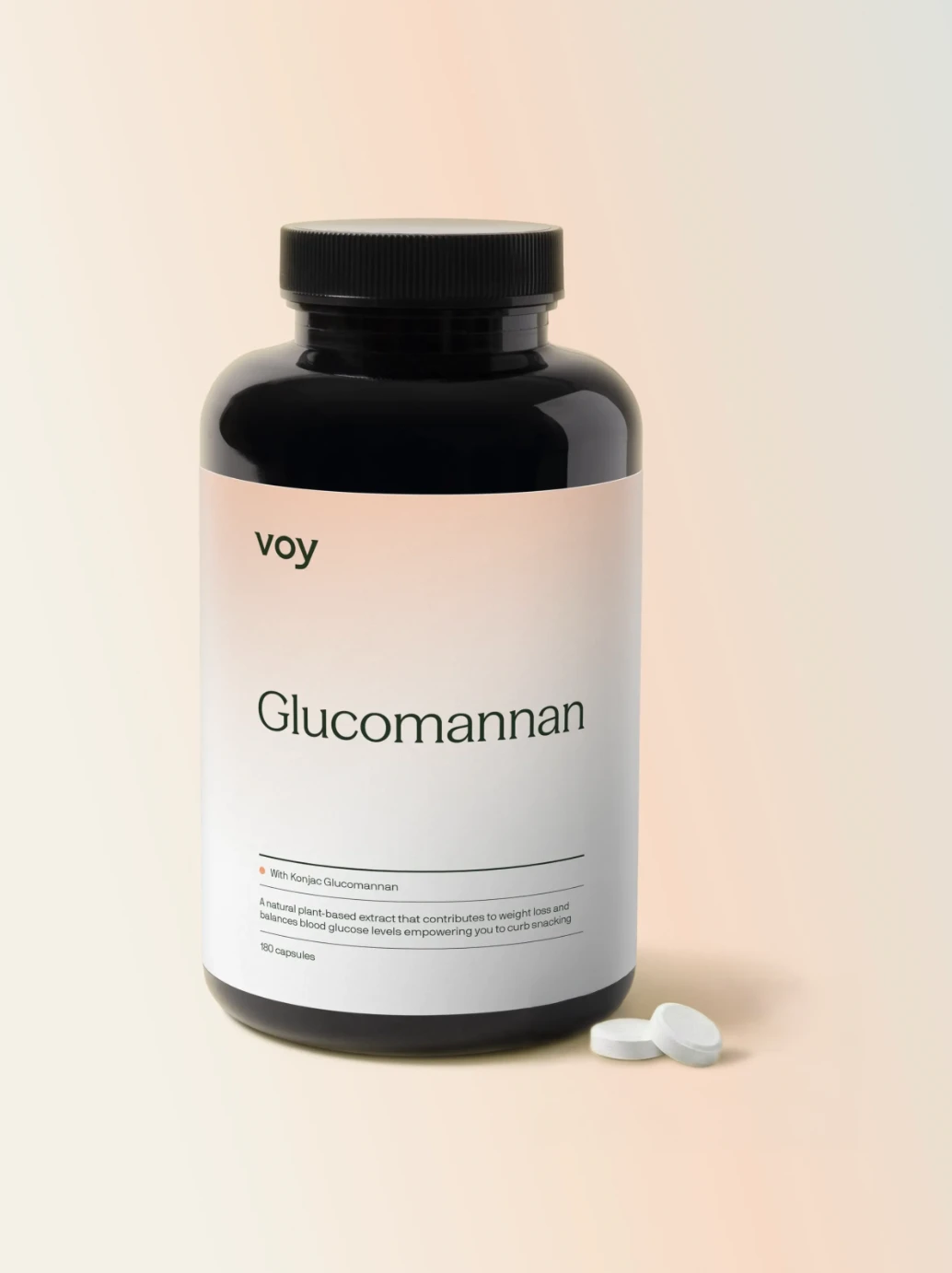
Voy's clinically personalised supplement range for menopause includes options that support skin health indirectly: Vitamin D3+K2 supports overall tissue health, while Magnesium glycinate supports sleep quality (which affects stress and itch threshold). These are positioned as supportive additions to a treatment plan, not replacements for medical treatment.
When itching is not menopause: signs to take seriously
Menopause is a common cause of itchy skin in women over 40, but it is not the only one. Persistent, severe, or unusual itching can occasionally signal an underlying condition that needs its own assessment and treatment.
Conditions that can cause or contribute to itchy skin and are worth ruling out include:
- Thyroid conditions. Both an underactive and overactive thyroid can cause skin dryness and itching. Thyroid problems are more common in women during midlife and often coincide with menopause timing.
- Iron-deficiency anaemia. Low iron can cause generalised pruritus, and anaemia is not uncommon in the perimenopause years when periods may become heavier before stopping.
- Liver or kidney conditions. The liver and kidneys play a role in filtering waste products that, when accumulated, can cause systemic itching. This is less common, but worth knowing.
- Fungal infections. Vaginal thrush (candida) is a common cause of vulval itching and can be confused with menopause-related dryness. It has a distinct treatment (antifungal, not hormonal) and is worth identifying correctly.
- Skin conditions. Eczema, psoriasis, and contact dermatitis can all develop or worsen during menopause, partly because the compromised skin barrier makes the skin more reactive. These have specific treatments in addition to general menopause care.
- Certain medications. Some medications, including diuretics and certain blood pressure medications, can cause or worsen dry skin and itching as a side effect.
When to seek assessment sooner rather than later:
- Itching that is severe, constant, or getting progressively worse despite moisturising
- Itching accompanied by a visible rash, jaundice (yellowing of the skin or eyes), or unusual bruising
- Itching that affects predominantly the hands and feet (this pattern has specific associations worth investigating)
- Any new symptom you are not confident attributing to menopause
What to do if itchy skin is affecting your daily life
“Itchy skin during menopause is not a trivial symptom, and "it's just your age" is not an adequate response to it. It has a clear physiological basis, it is well-recognised in the clinical literature, and it is treatable.”

If your itching is persistent, affecting your sleep, your concentration, or your confidence, or if you are experiencing vaginal or vulval symptoms that you have not raised with anyone because you were not sure it was worth mentioning, it is worth mentioning. It always is.
Voy's menopause service starts with a 45-minute consultation with a BMS(British Menopause Society)-trained menopause specialist: a clinician with specific expertise in exactly these symptoms, and the time to explore them properly. From that consultation, your specialist will build a personalised treatment plan that may include HRT, vaginal oestrogen, targeted skincare, supplements, or a combination, depending on what your symptoms and history indicate.
88% of Voy members felt more hormonally balanced at three months, compared to 62% receiving standard care, and 93% reported an improvement in their overall quality of life (presented at The Menopause Society 2025; forthcoming in Climacteric).