Black Friday Offer 16/11 to 29/11










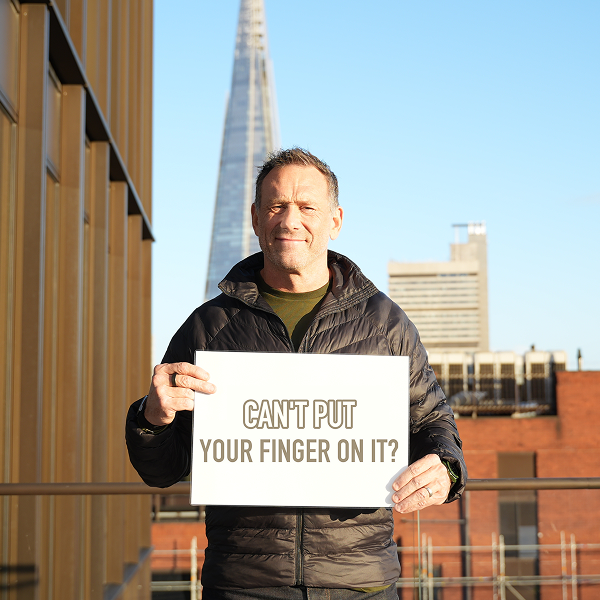
Can’t put your finger on it?
You don’t need to feel at your worst to want answers. Running on empty doesn’t always have one cause, and support comes in many forms, from lifestyle changes to a chat with your GP. For some men, low testosterone is part of the story. A simple blood test won’t explain everything, but knowing where your levels stand is a good place to start.
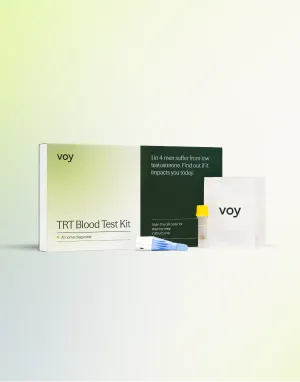
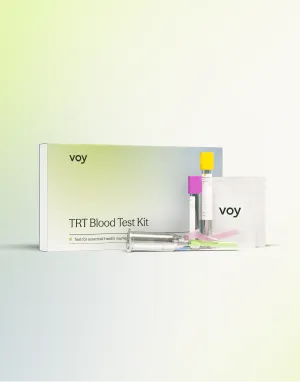
50% off at-home blood tests this Men’s Health Month

This Men’s Health Month
We want to encourage men to take action, even when they can’t say exactly what’s wrong
%
of men who started with Voy said that they couldn’t pinpoint what brought them to us¹
%
were scared to talk to mates about mental health or low T
men supported

Why we’re talking about it
A lot of men tell us they’ve quietly got used to not quite feeling themselves. Here are three of the things we hear most often.
“Seven and a half months in, and it’s unbelievable. My life at the minute, I’m flying.”

You don’t need the full picture to take the first step
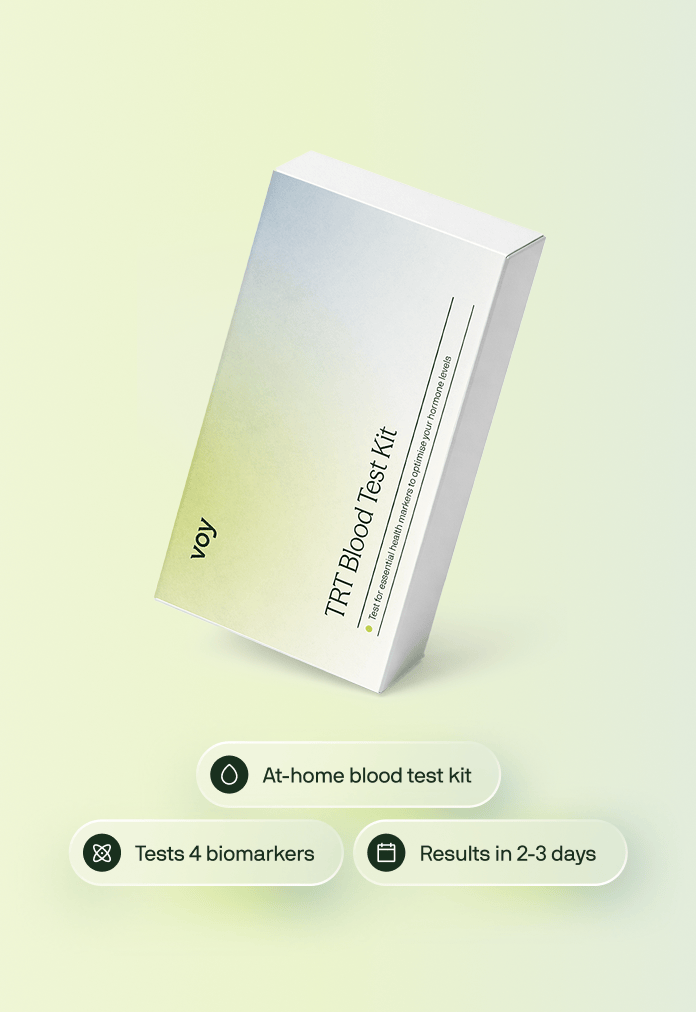
Whatever’s behind how you’ve been feeling, knowing your levels is a clear place to start. Voy has supported over 18,000 men,² and it all starts with a simple blood test that’s easier than you’d expect.
Supportforyourmentalhealthisavailable.
If things feel heavy, you don’t have to carry it on your own. Your GP is a good place to start, or you can call Samaritans any time, day or night, on 116 123.
References

¹ Voy patient survey, October 2026, n=764 men.
² Voy internal data, as of 2026.
Low Testosterone FAQs

Testosterone deficiency is when your testosterone level is persistently low and you have symptoms that go with it. Some men are born with it, others develop it through age, stress, illness, physical trauma, lifestyle or environmental factors.
Men with low testosterone often report low mood, irritability, fatigue, anxiety, reduced libido or difficulty achieving an erection. Other common symptoms include brain fog, lack of motivation, low confidence, difficulty losing weight and difficulty gaining muscle. These can also be caused by stress, diet, sleep apnoea or other conditions, which is why a blood test helps: it rules hormones in or out so you know where to look next.
A blood test is the only way to know. Our initial test is a finger-prick test you take at home. If it shows low testosterone and you'd like to go further, medical guidelines require a second, more comprehensive test to confirm your level is persistently low and to give your doctor a baseline of your wider health before you start a TRT service. That one is a venous test, taken by a nurse or phlebotomist.
Yes, gradually. For most men levels drop by around 1 to 2% a year from the mid-thirties. Low testosterone is also more common in men living with obesity or certain long-term conditions.
Yes. You'll have a consultation with one of our doctors to go through your results, and they'll talk through whether treatment is suitable for you. Our doctors specialise in testosterone and are all registered with the General Medical Council.
Our blood test kits usually arrive within three working days. It may take longer over public holidays.
For the quickest turnaround, post your sample for morning collection on a working day. We'll come back to you with your results within one to three business days.