










“Sildenafil (Viagra).” NHS. https://www.nhs.uk/medicines/sildenafil-viagra. Accessed 2 Sept. 2026.
Sildenafil is one of the best-known treatments for erectile dysfunction (ED). It’s the active ingredient in Viagra.
For many men, the standard dose of 50mg works really well and safely. But different strengths are available.
Here’s what you need to know about the various doses of sildenafil tablets, and what to do if your current dose isn’t quite cutting it.
Key takeaways
- Sildenafil side effects—such as headaches, dizziness, a stuffy nose and indigestion—are typically mild and fade within 3 to 5 hours.
- Higher doses carry a greater risk of side effects than lower doses.
- Don’t take sildenafil with nitrate medications as this combination can cause a sudden, dangerous drop in blood pressure.
- Seek emergency care immediately if you experience an erection lasting longer than 4 hours (priapism), chest pain, vision loss, or severe allergic reactions.
- Avoid heavy or high-fat meals and alcohol, stay hydrated, and give the pill 30 to 60 minutes to work without taking extra doses.

What dosages of sildenafil are available?
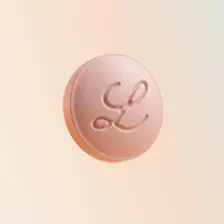
Sildenafil comes in 25mg, 50mg and 100mg tablets. The usual starting dose is 50mg, but your clinician might recommend a different strength depending on how well it works for you, and whether you experience any side effects.
The aim is to find the lowest dose that gives you stronger, longer-lasting erections.
Sildenafil 25mg
Sildenafil 25mg is the lowest standard dose for ED. This lower dose might be recommended if you’re more likely to experience side effects at higher doses of sildenafil, have certain health conditions or take medication that can impact how sildenafil works.
Sildenafil 50mg
A 50mg sildenafil dose is the usual starting strength for treating erectile dysfunction. It’s best to take it around an hour before sex. For many men, 50mg provides a good balance between effectiveness and tolerability. If it works well and you’re not experiencing uncomfortable side effects, there’s no reason to increase the dose.
Sildenafil 100mg
100mg is the highest recommended dose for ED. You might be prescribed it if 50mg hasn’t worked well enough.
Always take your clinician’s advice on dosage. 100mg won’t necessarily give you a stronger or longer-lasting erection than the weaker strengths. And higher doses can increase the chances of sildenafil side effects.
Find the right routine for you
Choose between a daily treatment for round-the-clock readiness, or an on-demand option for when the moment’s right.
How much sildenafil is too much?
That would be taking more than your clinician has recommended. The absolute maximum recommended sildenafil dose is 100mg in 24 hours.
You shouldn’t take two tablets on the same day or take a higher strength than you’ve been prescribed.
If you've tried sildenafil several times at the prescribed dose and it's not working, speak to your clinician rather than increasing the dose yourself. Something else might be at play, such as an underlying health condition like low testosterone.
Can I take 200mg of sildenafil?
Definitely don’t increase your dose to 200mg of sildenafil. It’s not a safe way to get a stronger erection, and it can increase your risk of side effects, such as severe headache, dizziness, flushing, visual changes and a dangerous drop in blood pressure.
If you’ve accidentally taken more sildenafil than prescribed, seek medical advice rather than taking any more.
And, as mentioned earlier, if you’re asking because 100mg isn’t working for you, don’t simply take more. There may be a reason sildenafil isn't working properly. Or another ED treatment may be a better fit. Your clinician can investigate and help you find the most appropriate solution.
Sildenafil dosage timing
Sildenafil is usually taken around one hour before sex, with or without food. It needs sexual stimulation to work. It doesn’t give you an automatic erection.
Avoid eating a heavy or high-fat meal before you take it, as food can delay how quickly sildenafil starts working.
Sildenafil typically works for around four hours. But don’t worry, this doesn’t mean you’ll have an erection for four hours. That’s the window in which you can get an erection when you’re sexually aroused.
Never take more than one dose in 24 hours.
When should you change your sildenafil dosage?
Don't change your dose without speaking to your clinician.
You might need a different dose if:
- 50mg isn't working well enough. Your clinician may increase your dose to 100mg if it's appropriate for you.
- You're getting side effects. Dropping from 50mg to 25mg may make side effects less troublesome.
- You've started another medication. Some medicines can increase the amount of sildenafil in your body, meaning a lower starting dose may be recommended.
- Your health has changed. Kidney or liver problems, heart conditions and changes in blood pressure can all affect whether sildenafil is suitable and which dose is safest.
Get your confidence up
Getting the dose right can make a big difference to how well your ED treatment works and how you feel while taking it.
At Voy, our clinicians can assess your symptoms, health and other medicines and help you find an appropriate treatment for your ED. That could be sildenafil, tadalafil or another option, depending on what's right for you.
If your ED is accompanied by symptoms such as low sex drive, fatigue or reduced strength, we can also help investigate whether low testosterone could be contributing. Testosterone replacement therapy (TRT) could help in that case.
Take the sexual health quiz to get started.


