















- New research reveals more than half (55%) of Brits taking GLP-1 weight-loss medication have hidden their treatment from family, friends or colleagues due to fears of judgment and stigma
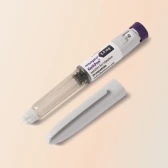
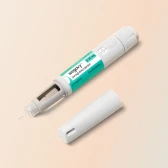
- The data suggests we are almost twice as likely to believe there is stigma attached to the use of injectable treatments than a daily pill.
- The launch could also help overcome barriers for 3 in 5 of us, who cite cost and convenience of existing GLP-1 treatments as a concern.
11TH June 2026
If you've ever worried about what people might think if you took weight-loss medication, you're not alone.
New research commissioned by digital healthcare provider Voy reveals the scale of stigma facing GLP-1 users in the UK, with 83% of eligible adults saying weight-loss medication is stigmatised. The findings coincide with the launch of the first oral weight-loss pill, offering a more discreet path to treatment.
Among 62% of respondents currently taking GLP-1 treatments such as Mounjaro or Wegovy (weight-loss medication that helps to control blood sugar and reduce appetite), more than half (55%) say they have hidden their use from family, friends or colleagues because they were concerned about judgment.
When asked why they believe people are judged for using weight-loss medication, respondents pointed to perceptions that treatment is a "shortcut" (55%), a sign of poor self-discipline (46%), or belief that weight loss should only come from lifestyle changes (38%).
Additionally, the findings highlight how societal attitudes continue to influence treatment decisions. Alongside concerns about stigma, practical barriers remain. Fear of injections is cited by 15% of respondents as a reason for not pursuing GLP-1 medication, while others say concerns about cost (59%) or side effects (32%) are an issue.
However, the arrival of oral GLP-1 treatments could mark a significant shift in how weight management support is perceived and accessed.
Among eligible adults, more than two thirds (69%) say they would be more likely to take a daily oral weight-loss medication than a weekly injection because it’s more discreet.
Meanwhile, respondents cited convenience (62%), easier than injections (62%), and the ability to fit treatment into daily routines (61%) as the biggest advantages of an oral option.
The research also suggests that the format of treatment itself may influence perceptions. Almost twice as many (35%) respondents believe there is less stigma attached to weight loss pills compared to injections, as those who believe the pills carry more stigma (18%). This indicates that a more familiar and private treatment experience could encourage more people to seek support.
Dr Earim Chaudry, Chief Medical Officer at Voy, said: "The arrival of oral GLP-1 medication represents an important step forward, not only because it expands treatment choice, but because it could help remove some of the barriers that prevent people from accessing care in the first place. For many, a daily tablet may feel more familiar, more convenient and more discreet than an injectable treatment.
Yet, while treatment options evolve, the stigma surrounding obesity remains. For too long, perceptions around obesity treatment have been shaped by misconceptions and judgment rather than medical evidence. The pill may reduce some of the visible markers of treatment, but the deeper work of changing how society thinks about obesity cannot be done by format alone. That requires a shift in how we talk about this condition at every level.”