

















Waliszewska-Prosół M, Grandi G, Ornello R, Raffaelli B, Straburzyński M, Tana C, Martelletti P. Menopause, perimenopause, and migraine: understanding the intersections and implications for treatment. Neurology and Therapy. 2025;14(3):665–680. doi: 10.1007/s40120-025-00720-2. https://pmc.ncbi.nlm.nih.gov/articles/PMC12089631/
Key takeaways
- Perimenopause headaches are triggered by fluctuating oestrogen levels, not the steady decline that comes later, which is why they often worsen during this transition.
- Almost 1 in 3 women attending menopause clinics experience migraines, with most reporting severe attacks more than once a month.
- Headaches during perimenopause can be migraines, tension-type headaches, or menstrual migraines, each needing a slightly different treatment approach.
- HRT can help, but the type matters: transdermal oestrogen (patches or gels) is recommended over oral forms for women with migraine, as it provides more stable hormone levels.
- Other perimenopause symptoms such as hot flushes, night sweats, and poor sleep often trigger or worsen headaches, creating a cascading effect that requires holistic treatment.

If you have noticed your headaches getting worse, more frequent, more intense, or appearing at times in your cycle when they never used to, you are not imagining it. And you are far from alone.
Perimenopause does not just bring hot flushes and mood swings. For many women, it brings headaches that can range from a dull, persistent throb to full-blown migraines that wipe out entire days. Research shows that almost 1 in 3 women attending menopause clinics suffer from migraines, with most reporting severe attacks more than once a month. If you have been told it is "just stress" or "part of getting older," you deserve better answers.
Perimenopause headaches have a clear hormonal cause, and understanding what is happening in your body is the first step toward finding relief. In this guide, we will explain why oestrogen fluctuations trigger headaches, how to recognise different headache types, what treatment options actually work, and when to seek specialist support.
What are perimenopause headaches?
Perimenopause headaches are headaches that start or worsen during the perimenopausal transition, typically beginning in your 40s, though they can start earlier. They are triggered by the hormonal fluctuations that define this phase: oestrogen levels rise and fall unpredictably, creating the conditions for headache disorders to flare.
Here is what makes them different from "regular" headaches: it is not about low oestrogen. It is about the chaos of fluctuating oestrogen. During perimenopause, your ovaries produce less oestrogen overall, but the decline is not steady. Levels spike and crash from cycle to cycle, sometimes within a single cycle. These swings are what trigger headaches, particularly in women who already have a history of hormonal headaches or menstrual migraines.
Research confirms this pattern. A large study of over 3,600 women with migraine found that perimenopause and early postmenopause were associated with significantly higher rates of high-frequency headaches (more than 10 headache days per month) compared to premenopause. This is not in your head. It is your hormones.
The numbers make this impossible to dismiss. Around 20% of perimenopausal women experience daily headaches, and those who have migraines typically report severe attacks more than once a month. These are not occasional annoyances. They are debilitating, frequent, and often poorly understood by the healthcare system.
“If you have been experiencing headaches that feel worse than they used to, or new headaches that appeared during your 40s, perimenopause is a likely culprit. Understanding the mechanism is the first step toward effective treatment.”

Why does perimenopause cause headaches?
The short answer: oestrogen withdrawal. But the full picture is more nuanced, and understanding it helps explain why treatment needs to be tailored.
Oestrogen fluctuations, not absolute levels
The key mechanism behind perimenopause headaches is oestrogen fluctuation, not low oestrogen itself. During perimenopause, your oestrogen levels do not decline in a smooth, predictable line. They swing wildly: high one cycle, crashing the next, sometimes spiking mid-cycle before plummeting days later. It is these sudden drops in oestrogen, particularly the drop that happens just before your period, that trigger headaches in susceptible women.
Why does dropping oestrogen cause headaches? Oestrogen affects multiple systems involved in headache generation. It influences serotonin and dopamine levels in the brain, chemical messengers that regulate mood, pain perception, and how blood vessels behave. When oestrogen drops rapidly, serotonin drops too, triggering changes in blood vessel dilation and inflammation that can set off a migraine or tension headache.
This is why women with a history of menstrual migraines often find their headaches worsen dramatically during perimenopause. If you have always had migraines around your period, perimenopause essentially multiplies the trigger. Your cycle becomes irregular, oestrogen withdrawal happens more frequently and unpredictably, and the threshold for triggering a migraine drops.
The cascade effect: other perimenopause symptoms as triggers
Perimenopause does not just affect oestrogen. It disrupts sleep, increases stress, and causes hot flushes and night sweats, all of which are well-established headache triggers. This creates a cascading effect: night sweats wake you up repeatedly, sleep deprivation lowers your headache threshold, you wake with a headache, the headache makes you irritable and anxious, stress triggers another headache, and the cycle continues.
This is why treating perimenopause headaches effectively often means treating the whole picture, not just the pain.
Why tension headaches also increase
Migraines get most of the research attention, but tension-type headaches are equally common during perimenopause and often overlooked. These present as a band-like pressure around the head, tightness in the neck and shoulders, and a dull, constant ache. They are less dramatic than migraines but just as disruptive to daily life.
Tension headaches during perimenopause are linked to the same hormonal fluctuations, compounded by muscle tension from poor sleep, stress, and the physical effects of oestrogen changes on pain sensitivity. Some women experience both types: migraines during their irregular periods, and tension headaches in between.
New-onset headaches in perimenopause
Not everyone who gets perimenopause headaches had them before. Research shows that 8 to 13% of women report new onset of migraine during perimenopause. If you have never had significant headaches and suddenly find yourself dealing with them in your 40s, this is a recognised pattern.
Types of headaches during perimenopause
Not all perimenopause headaches are the same. Understanding which type you are experiencing helps guide treatment, because what works for a migraine will not necessarily help a tension headache.
Migraine
Migraines are the most studied and often most debilitating headache type during perimenopause. They typically present as throbbing, pulsating pain (usually one-sided, but not always), moderate to severe intensity that interferes with daily activities, nausea or vomiting, sensitivity to light and sound, and a duration of 4 to 72 hours if untreated.
Some women experience migraine with aura: visual disturbances such as flashing lights or zigzag lines, tingling or numbness, or speech difficulties before the headache starts. This distinction matters for treatment, as migraine with aura has different safety considerations for hormone therapy (covered in the treatment section below).
Migraines during perimenopause are often more frequent and more severe than in earlier reproductive years, particularly in women who have had menstrual migraines. The unpredictability of perimenopausal cycles means the oestrogen withdrawal trigger can strike at any time.
Menstrual migraine
Menstrual migraines are migraines that consistently occur in the two days before your period through to the third day of bleeding, timed to the drop in oestrogen that triggers menstruation. During regular reproductive years, these are predictable. During perimenopause, they become chaotic: your cycle is irregular, so the timing of the oestrogen drop and the migraine becomes unpredictable.
Research shows that menstrual migraines are more disabling and less responsive to standard acute treatments than non-menstrual migraines. If you have noticed your period-related migraines getting worse or more difficult to treat, perimenopause exacerbates this.
Tension-type headaches
Tension headaches present differently from migraines: dull, aching pain (not throbbing), a band-like pressure around the head or tightness at the back of the neck, bilateral (both sides of the head), mild to moderate intensity, and no nausea or vomiting. Perimenopausal women experience higher rates of tension-type headaches compared to premenopausal women, often linked to muscle tension from disrupted sleep, increased stress, and the effects of hormone fluctuations on pain sensitivity.
Daily or near-daily headaches
Some women experience headaches most days during perimenopause. These can be chronic migraines (15 or more headache days per month, with at least 8 being migraines) or chronic tension-type headaches. Daily headaches significantly impact quality of life and require specialist assessment to rule out medication overuse headaches, discussed in the triggers section below.
Common triggers for perimenopause headaches
Identifying your specific triggers can help reduce headache frequency, even before treatment starts. During perimenopause, triggers often cluster together.
Hormonal triggers. The drop in oestrogen before your period (or what would have been your period if cycles are irregular) is the primary hormonal trigger. Skipped periods mean a longer gap of stable hormones followed by a sudden crash.
Sleep disruption. Night sweats, insomnia, and frequent waking fragment sleep, and poor sleep is one of the strongest headache triggers. The relationship is bidirectional: headaches disrupt sleep, poor sleep triggers headaches. Breaking this cycle is often a key part of treatment.
Hot flushes and dehydration. Hot flushes cause sweating, which can lead to dehydration if fluid intake does not keep up. Dehydration is a known headache trigger, and changing oestrogen levels can affect thirst regulation.
Stress and anxiety. Perimenopause is often a life stage where stress is high: caregiving responsibilities, career demands, and the physical and emotional toll of perimenopause itself. Stress increases muscle tension and lowers the threshold for migraines.
Caffeine. Regular moderate intake (around 200mg daily, roughly two cups of coffee) can help prevent headaches. But high intake can trigger them, and caffeine withdrawal (missing your usual morning coffee, for example) is a well-established migraine trigger. During perimenopause, when routines are disrupted by poor sleep and fatigue, caffeine intake can become erratic, setting up a withdrawal pattern.
Alcohol. Alcohol, particularly red wine, is a common migraine trigger. If you have noticed that drinks you used to tolerate now trigger headaches, hormone fluctuations during perimenopause can lower your tolerance.
Skipped meals. Low blood sugar is a headache trigger, particularly for migraines. Regular meal times and protein-rich snacks can help stabilise both blood sugar and headache frequency.
Medication overuse headaches. This is a critical but under-recognised issue. Taking pain relief (paracetamol, ibuprofen, or combination painkillers) more than 10 to 15 days per month can cause medication overuse headaches, also called rebound headaches. The medication itself becomes the trigger. If you are taking painkillers frequently to manage perimenopause headaches, this is something your specialist should assess.
How long do perimenopause headaches last?
There are three separate questions here, each with a different answer.
Each individual headache: migraines typically last 4 to 72 hours if untreated; tension headaches last 30 minutes to several days; menstrual migraines are often longer-lasting and harder to treat than non-menstrual migraines.
The perimenopause phase itself: perimenopause typically lasts 4 to 8 years, beginning when your cycles become irregular and ending 12 months after your final period. Research shows that headaches are often at their worst during this irregular, fluctuating hormone phase.
After menopause: for most women, headaches improve after menopause. Once your hormones stabilise at a consistently low level, the trigger of fluctuating oestrogen is removed. Research confirms that migraine exacerbations typically decline after menopause as naturally produced oestrogen stabilises. However, improvement is not immediate and can take several years.
“The exception is surgical menopause. If menopause is induced surgically (hysterectomy with removal of ovaries), the sudden, complete drop in oestrogen often worsens migraines initially. This is the opposite of natural menopause, where the decline is gradual. Women who have had surgical menopause and experience worsening migraines should discuss this with a menopause specialist. HRT is often recommended to ease the transition.”
Treatment options for perimenopause headaches
There is no single cure for perimenopause headaches, but there are multiple evidence-based approaches that can significantly reduce frequency, severity, and impact.
Hormone Replacement Therapy (HRT)
HRT is one of the most effective treatments for perimenopause symptoms overall, and for many women it significantly improves headaches. But the relationship between HRT and headaches is nuanced, and the type of HRT matters.
When HRT helps. For women whose headaches are driven by oestrogen withdrawal, HRT can be transformative, addressing the hormonal root cause rather than just the pain.
Transdermal vs oral HRT. Oral HRT is absorbed through the digestive system, which creates fluctuating hormone levels in the bloodstream, with peaks and troughs throughout the day. For women with migraine, these fluctuations can trigger attacks. Transdermal HRT (patches, gels, sprays) delivers oestrogen through the skin, maintaining more stable blood levels. Clinical guidelines from the British Menopause Society specifically recommend transdermal oestrogen for women with migraine, using the lowest effective dose.
Migraine with aura: special considerations. If you experience migraine with aura (visual disturbances, tingling, or speech difficulties before the headache), this is an important detail for your specialist. High-dose oral oestrogen, as found in combined oral contraceptives, is not recommended for women with migraine with aura due to a small increased risk of stroke. However, HRT, particularly transdermal HRT, is considered safe. The doses used are much lower than those in contraceptives, and the transdermal route avoids absorption through the liver.
When HRT does not help. HRT does not work for everyone with perimenopause headaches. Some women find their headaches unchanged or worsened, particularly if the dose is too high, or if oral HRT is causing fluctuating levels. If HRT is not helping your headaches, that is valuable information. It means your treatment plan needs adjusting, not that you should suffer. Your specialist might suggest changing the type, dose, or delivery method of HRT.
Acute pain relief
When a headache strikes, you need something that works.
For mild to moderate headaches: paracetamol (1g, up to four times daily), ibuprofen or other anti-inflammatory painkillers, or combination analgesics for short-term use.
For migraines: triptans (for example sumatriptan or rizatriptan) are migraine-specific medications that work by narrowing blood vessels in the brain and blocking pain pathways. They are available on prescription and are most effective when taken early in the migraine. Anti-nausea medication is often prescribed alongside triptans to manage nausea and improve absorption of oral medication.
Important: taking pain relief most days can itself cause rebound headaches. If this pattern sounds familiar, raise it with your specialist.
Preventive medications
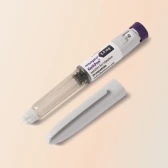
If you are having frequent headaches (more than 4 to 8 per month), preventive medication may be appropriate. These are taken daily to reduce headache frequency and severity, not to treat acute pain. Options include beta-blockers (such as propranolol), low-dose antidepressants (such as amitriptyline, used here for headache prevention rather than mood), anticonvulsants (such as topiramate), and newer CGRP (calcitonin gene-related peptide) inhibitors, which are injectable, monthly migraine-specific preventive medications.
Your specialist will assess which preventive is most appropriate based on your headache type, frequency, other health conditions, and potential side effects.
Lifestyle modifications
Lifestyle changes will not cure perimenopause headaches, but they can significantly reduce frequency and severity, and they work alongside medical treatment.
Exercise. Regular physical activity reduces headache frequency, improves sleep, and helps manage stress. Aim for 30 minutes of moderate exercise most days: walking, swimming, cycling, yoga. Avoid intense exercise during a migraine, but regular movement between attacks is protective.
Sleep. Prioritising sleep is one of the most effective interventions for perimenopause headaches. Go to bed and wake at the same time every day, keep your bedroom cool, avoid screens for an hour before bed, and if night sweats are disrupting your sleep, address them directly (HRT, cooling bedding, a fan).
Stress management. Cognitive Behavioural Therapy (CBT) has good evidence for managing chronic headaches, particularly when stress and anxiety are significant factors. Mindfulness, meditation, and regular breaks during the day all help.
Hydration. Aim for 1.5 to 2 litres of water daily, more if you are having frequent hot flushes. Dehydration is an avoidable trigger that is often overlooked during busy, stressful days.
Caffeine management. Keep your intake consistent. Aim for around 200mg daily (roughly two cups of coffee) at the same time each day. This avoids both excessive intake and withdrawal triggers.
Headache diaries. Keeping a headache diary for at least 2 to 3 months helps you and your specialist identify patterns and triggers. Record the date and time the headache started, severity, type, where your cycle was, what you had eaten and drunk, how you slept the night before, and whether any medication helped. This information is invaluable for tailoring treatment.
When to see a doctor about perimenopause headaches
Most perimenopause headaches are not dangerous, but they do deserve proper assessment and treatment.
See a specialist if:
- Your headaches are affecting your quality of life. If they are disrupting your work, relationships, or sleep, that is reason enough to seek specialist help
- You are taking painkillers most days to manage headaches
- Your headaches have changed: new headaches in your 40s, or a change in the pattern of existing headaches, should be assessed
- Over-the-counter treatments are not working. Prescription preventives, triptans, and hormone therapy offer much more
- You have a history of menstrual migraines that are getting worse. This is a recognised perimenopause pattern with specific treatment options
Seek urgent medical attention if you experience:
- A sudden, severe headache, often described as "the worst headache of my life", or reaching maximum intensity within seconds
- Headache after a head injury
- Headache with fever, stiff neck, rash, confusion, or seizures
- Headache with new neurological symptoms such as weakness, numbness, difficulty speaking, vision loss, or difficulty walking
- A sudden change in headache pattern in someone over 50
- A headache that progressively worsens over days to weeks without responding to treatment
These symptoms require same-day assessment. Contact 111 or attend A&E.
When to seek help at Voy
Perimenopause headaches are complex. They are driven by hormones, compounded by sleep disruption and stress, and they interact with other menopause symptoms in ways that a ten-minute GP appointment cannot address properly.
Voy's menopause service starts with a 45-minute consultation with a British Menopause Society-trained menopause specialist. That is enough time to take a thorough headache history, assess your hormonal picture, and build a treatment plan tailored to you. Not a rushed prescription. Proper assessment, proper explanation, and proper follow-up.
Our specialists can prescribe transdermal HRT where appropriate, review your acute and preventive medications, refer you for CBT if helpful, and monitor your progress over time. Headaches are rarely a single-fix problem. They require a comprehensive, specialist-led approach.
88% of Voy members felt more hormonally balanced at three months, compared to 62% receiving standard care. Take our short quiz to find out whether specialist menopause care could help you.