










- British Menopause Society. Tools for Clinicians: Testosterone Replacement in Menopause. December 2022. https://thebms.org.uk/wp-content/uploads/2022/12/08-BMS-TfC-Testosterone-replacement-in-menopause-DEC2022-A.pdf
You started HRT six months ago - the hot flushes are better, sure - but you're still dragging yourself through every single day like you're wading through treacle. Your sex drive has gone completely but that’s at the bottom of your list because really you’re just trying to make it through each day. Last Tuesday at 2:47am you Googled "low testosterone women" because someone on a forum said it helped with energy and honestly? You're desperate. Then you spent an hour convincing yourself testosterone would give you a beard, or cause breast cancer, or both, and now here you are at 3:45am still awake reading this.
We see you.
Thing is, most people think testosterone is a "male hormone" - which means loads of women have no idea it might be relevant to them. You've probably spent months assuming your exhaustion and zero libido were just "part of menopause." They are common. But that doesn't mean you have to live with them.
Check your testosterone levels
This blood test checks your testosterone levels to make sure treatment is right for you.
What does Testosterone do for women?
Okay so first thing. Testosterone isn't a "male hormone" - everyone produces it. Men just happen to produce about 10-20 times more. But here's what might surprise you: before menopause, women actually produce three to four times more testosterone than oestrogen. Testosterone is the most abundant biologically active hormone in your body throughout most of your life.
Your ovaries make about half. Your adrenal glands make the rest.
And it does loads. Your bones, your muscles, your brain, your mood, your energy, your sleep - testosterone has receptors all over your body, which means it affects pretty much everything.
Everyone knows testosterone affects your sex drive - whether you fancy it, whether you can get aroused, whether you can actually orgasm. Frustrating that's ALL people talk about, right? It also helps maintain bone density and muscle mass, supports cognitive function and memory, regulates mood, and contributes to overall energy levels. It strengthens the nerves in your brain, improves blood flow to brain tissue, regulates how your brain processes serotonin and dopamine.
So no. It's not just about sex.
The symptoms that made you Google this at 2am
Zero interest in sex. Not "a bit less than before" but properly zero. You love your partner, you want to want them, but your body just doesn't respond. Even when you do have sex, it's not enjoyable.
Crushing fatigue that sleep doesn't fix. You're sleeping seven, eight hours a night and you still wake up exhausted. By 3pm you could cry with tiredness.
Brain fog that makes you question everything. You walk into rooms and forget why. You lose words mid-sentence.Yesterday you couldnt remember your colleague’s name and you’ve worked with her for five years, which sent you into a proper panic spiral. (And we know you're probably worrying whether this means early dementia or a tumor or something equally terrifying. The not-knowing does your head in.)
Mood that's all over the place - anxiety, irritability, crying at absolutely nothing, or feeling like you've lost interest in pretty much everything you used to enjoy. Proper low mood that doesn't shift no matter what you try.
Muscle weakness. Joint pain. Things that used to be easy physically now feel really hard.
Thing is, these symptoms? They overlap with SO many other conditions. Thyroid problems, vitamin deficiencies, chronic fatigue, depression, perimenopause symptoms from low oestrogen. We know you've Googled all of these at various points, convinced each one is what's wrong.
Low testosterone in women gets missed precisely because the symptoms are subtle. Easy to attribute to stress or age or "just being busy." Many GPs have historically been quick to suggest anxiety medication when actually checking hormone levels would be more helpful.
If you're on hormone replacement therapy and your hot flushes improved but you still have these symptoms? That's exactly when testosterone might help. HRT replaces oestrogen (and progesterone if you still have your womb), but it doesn't replace testosterone.
Benefits of Testosterone for women: What the evidence actually shows
The data:
The 2024 NICE menopause guidelines state that testosterone can be considered for menopausal women with low sexual desire if HRT alone hasn't been effective. That's the official NHS guidance. The British Menopause Society extends this to include women with low sexual desire AND tiredness.
An international task force looked at testosterone therapy in 36 randomized controlled trials covering 8,480 women. They found testosterone improved multiple aspects of sexual wellbeing: desire, pleasure, arousal, orgasm, and it reduced distress about sex. Around 32% of women at midlife are affected by hypoactive sexual desire disorder - persistently low sexual desire that causes significant distress.
Time and again, studies show the benefits of testosterone for women. But the official guidelines currently only recommend testosterone for sexual function problems. They don't yet officially support using it for mood, energy, or cognitive symptoms (research is ongoing).
That said? In a real-world audit of 1,200 women prescribed testosterone at Newson Health clinics, the biggest symptom improvement wasn't libido - it was mood and anxiety. Another study of 510 women who were already on HRT and then added testosterone found that 56% saw improvement in 'loss of interest in most things', 55% in 'crying spells', and 52% in 'loss of self-confidence'.
Mood and libido improved to similar degrees.
Where can I buy Testosterone Gel for women? (getting it on the NHS)
Here's some good news: as of August 2025, the UK now has a licensed testosterone product specifically for women. AndroFeme cream has been approved by the Medicines and Healthcare products Regulatory Agency (MHRA) for use in postmenopausal women. It's already been licensed in Australia, New Zealand, and South Africa for years.
This is significant. For decades, women have had to use testosterone products designed for men at much lower doses, which made accurate dosing difficult.
What's available now:
AndroFeme cream - This is a 1% testosterone cream in a tube, specifically formulated for women, which makes it much easier to apply the correct dose. We prescribe this at Voy. Note: it contains almond oil, so don't use it if you have an almond allergy.
Testogel and Tostran - These are still commonly prescribed on the NHS. We prescribe testogel at Voy. They're testosterone gels in sachets or pump dispensers, technically licensed for men but used off-license for women at much lower doses (about 5mg daily vs the male dose). Women use about one-tenth of a sachet daily.
Testim - Another gel option, comes in tubes, also used off-license for women.
The NHS pathway: NICE guidance says you should already be on HRT before considering testosterone. You need to have tried HRT for at least three months. If you're still experiencing low sexual desire (and ideally other symptoms like fatigue or low mood), then testosterone can be considered.
Your first step: Talk to your menopause specialist. Be specific.
Say something like: "I've been on HRT for six months and my hot flushes have improved, but I'm still experiencing zero libido, crushing fatigue, and brain fog. I've read the NICE guidelines on testosterone for menopausal women and I'd like to discuss whether it might help me."
Not all GPs feel comfortable prescribing testosterone for women yet. Some will refer you to a menopause specialist who can assess you and initiate the prescription.
Blood tests? Usually, yes. You'll have testosterone levels checked before starting, then again at 3 months, 6 months, and then yearly. The tests aren't really to diagnose whether you "need" testosterone (symptoms matter more), but to make sure your levels aren't going too high on treatment.
Check your testosterone levels
This blood test checks your testosterone levels to make sure treatment is right for you.
How long does it take to work? It can take 8-12 weeks to notice benefits, sometimes several months. If you haven't noticed any improvement after 6 months, it's probably not going to work for you. About one-third of women don't respond to testosterone, and that's completely normal.
But is it safe? The questions you're really worried about
The breast cancer question. We know that's what's keeping you up.
Current medical data shows that transdermal testosterone (the gel or cream you rub on your skin) does not increase the risk of breast cancer. Some studies actually suggest it might be protective.
A 10-year prospective study of 1,267 women using testosterone implants found the incidence of breast cancer was lower than expected population rates. Another study of 2,377 women treated with testosterone over 9 years showed a 35.5% reduction in breast cancer incidence compared to expected rates.
Even more reassuringly, a 2024 study looked at women who'd already HAD breast cancer (hormone-positive type) who were given low-dose testosterone gel to help with sexual function - it was safe, didn't increase estradiol levels, didn't cause cancer recurrence.
That said. There isn't decades of long-term data yet. Most safety data covers up to 2 years of use, some studies go up to 10 years. If you have a personal history of breast cancer, decisions about testosterone need to be made by a specialist menopause doctor in discussion with your oncologist.
Heart problems or blood clots?
Transdermal testosterone doesn't increase blood pressure, doesn't negatively affect your cholesterol, doesn't affect liver or kidney function, and doesn't increase the risk of blood clots.
Key word: "transdermal" - gel or cream applied to your skin. Different from oral testosterone tablets, which can affect your liver.
Will I grow facial hair or get a deep voice?
This is what everyone worries about. The risks of facial hair, male-pattern baldness, voice deepening, or clitoral enlargement don't occur as long as testosterone levels are kept within the normal female physiological range. That's why you have blood tests - to make sure you're not taking too much.
The dose used for women (around 5mg daily) is about one-tenth of what men use. You're replacing what your body used to make naturally.
What you need to know about side effects
At the doses used for women, side effects are actually pretty uncommon. When they do happen, they're usually mild.
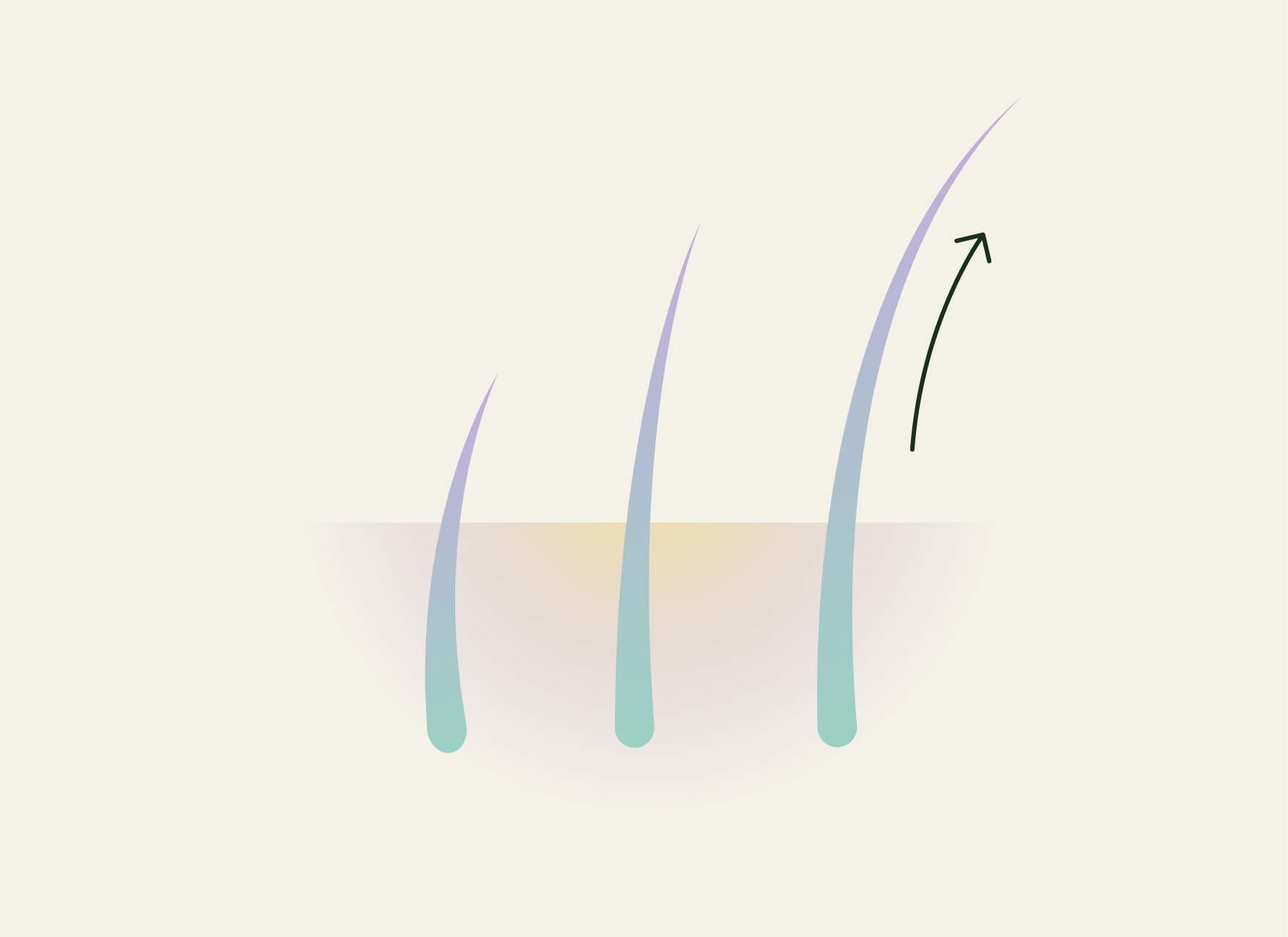
Increased hair growth where you apply it - that's the most common one. You can avoid this by applying to areas with fewer hair follicles (upper outer thighs, buttocks) and varying where you put it. Mild acne or oily skin, usually temporary. Skin irritation at the application site. Occasionally weight gain.
If you notice increased facial hair, hair thinning on your head, a deepening voice, or significant acne, contact your doctor immediately - your dose might be too high. Voice changes can potentially be irreversible.
You shouldn't use testosterone if you have active liver disease or if you've had hormone-sensitive breast cancer without specialist guidance. Keep the gel or cream away from children and partners - wash your hands after applying it and make sure it's fully dried before skin-to-skin contact.
Your next steps
You've read this far. Course you have - you want all the details.
Keep a symptom diary for two weeks. Note your libido, energy levels, mood, brain fog, sleep quality. Be specific.
Check you're already on appropriate HRT. If you're not on hormone replacement therapy at all but you're experiencing menopausal symptoms, start there first - testosterone works best when you're also taking oestrogen. Give HRT at least three months.
Book an appointment. Say specifically: "I've been on HRT for [X months] and while my hot flushes have improved, I'm still experiencing [your specific symptoms]. I'd like to discuss whether testosterone might help. I know NICE guidelines recommend considering it for low sexual desire if HRT alone isn't effective."
Look. Feeling nervous about this? Completely normal. Wanting to feel like yourself again isn't dramatic. It's not asking too much. Zero libido, crushing fatigue, and brain fog aren't things you just have to accept.
You've done the 2am Googling. Now take the next step.
DisclaimerAt Voy, we ensure that everything you read in our blog is medically reviewed and approved. However, the information provided is not meant to replace professional medical advice, diagnosis, or treatment. It should not be relied upon for specific medical advice.
References

- NICE. Menopause: identification and management. NICE guideline [NG23]. https://www.nice.org.uk/guidance/ng23/chapter/recommendations
- Davis SR, Baber R, Panay N, et al. Global Consensus Position Statement on the Use of Testosterone Therapy for Women. 2019. https://www.endocrine.org/news-and-advocacy/news-room/2019/coalition-issues-international-consensus-on-testosterone-treatment-for-women