













Aronne, Louis J, et al. “Continued Treatment With Tirzepatide For Maintenance of Weight Reduction in Adults with Obesity: the SURMOUNT-4 Randomised Clinical Trial.” JAMA, vol. 331, no. 1, 2024:38-48. https://jamanetwork.com/journals/jama/fullarticle/2812936.
Loads of people are interested in weight loss injections like Mounjaro right now. And while mostly, the focus is on the results they can drive—on Mounjaro, you might lose lose around 22.5% of your starting weight—there have been some questions about side effects, too.
For one, does Mounjaro cause pancreatitis? It’s rare, but the condition does develop in some people. But how do you know if you have it? Here’s the lowdown.
Discover Mounjaro
Feel like you’re doing everything right but still not hitting your health goals? Learn more about Mounjaro, an appetite-curbing medication that could help you lose up to 21% of your body weight.
Science backed treatment
Clinical support
Trusted by 100,000 customers across the UK
Does Mounjaro cause pancreatitis?
Again, it’s rare, but pancreatitis (when your pancreas is inflamed) has been reported in some people taking Mounjaro. It’s estimated that this affects up to 1% of people on the medicine.
An analysis of different studies found that overall, 0.32-0.39% of people taking different doses of Mounjaro (either 5mg, 10mg, or 15mg) developed pancreatitis.
In another large meta-analysis covering 17 clinical trials (18 published reports and around 14,600 people), researchers found no increased risk of pancreatitis in people taking Mounjaro compared to those on placebo, insulin, or other GLP‑1 receptor agonists.
Pancreatitis cases remained rare overall, with an incidence of around 0.2%, which is consistent with earlier findings.
Check your BMI today
Not sure where you stand? Calculate your BMI and find out what it means for you.
Pancreatitis symptoms: Early warning signs
There's no predictable timeline. Which is why staying alert matters.
The hallmark symptom? Sudden, severe pain in the centre of your abdomen that doesn't go away. This isn't the mild discomfort you might brush off. We're talking about intense pain that may travel to your back and refuses to settle.
- Severe abdominal pain that starts suddenly in the centre of your tummy and doesn't let up (this is the main red flag)
- Pain that may radiate to your back
- Nausea and vomiting
- High temperature (38°C or above)
- Rapid heart rate or rapid breathing
- Pain gets worse when eating or drinking (especially fatty foods) or lying flat on your back
- Leaning forward or curling into a ball may provide some relief
Normal Mounjaro side effects vs early signs of pancreatitis
The challenge? Mounjaro commonly causes mild nausea and stomach upset as the body adjusts. So how can you tell the difference between expected side effects and something more serious like pancreatitis?
Normal side effects typically improve over time—usually within a few days to a week. They're manageable and don't progressively worsen. Pancreatitis symptoms, on the other hand, tend to persist or escalate. The pain is more intense, doesn't respond to usual remedies, and often comes with that telltale radiation to the back.
If symptoms feel different from the usual adjustment period—more severe, persistent, or simply 'not right', speak to your doctor as soon as you can.
Treatment management
Side effects, dose changes, storage questions. Sign up to our monthly newsletter "Your Monthly Dose", a two-minute read on the clinical updates and the news worth knowing.
By entering I agree to the Terms and Conditions.
Can I prevent pancreatitis while on Mounjaro?
There’s no way to predict which side effects you’ll get while using Mounjaro, unfortunately. Nor is there any way to guarantee that you won’t get pancreatitis, though the chances of it happening are low. However, there are steps you can take to reduce your risk.
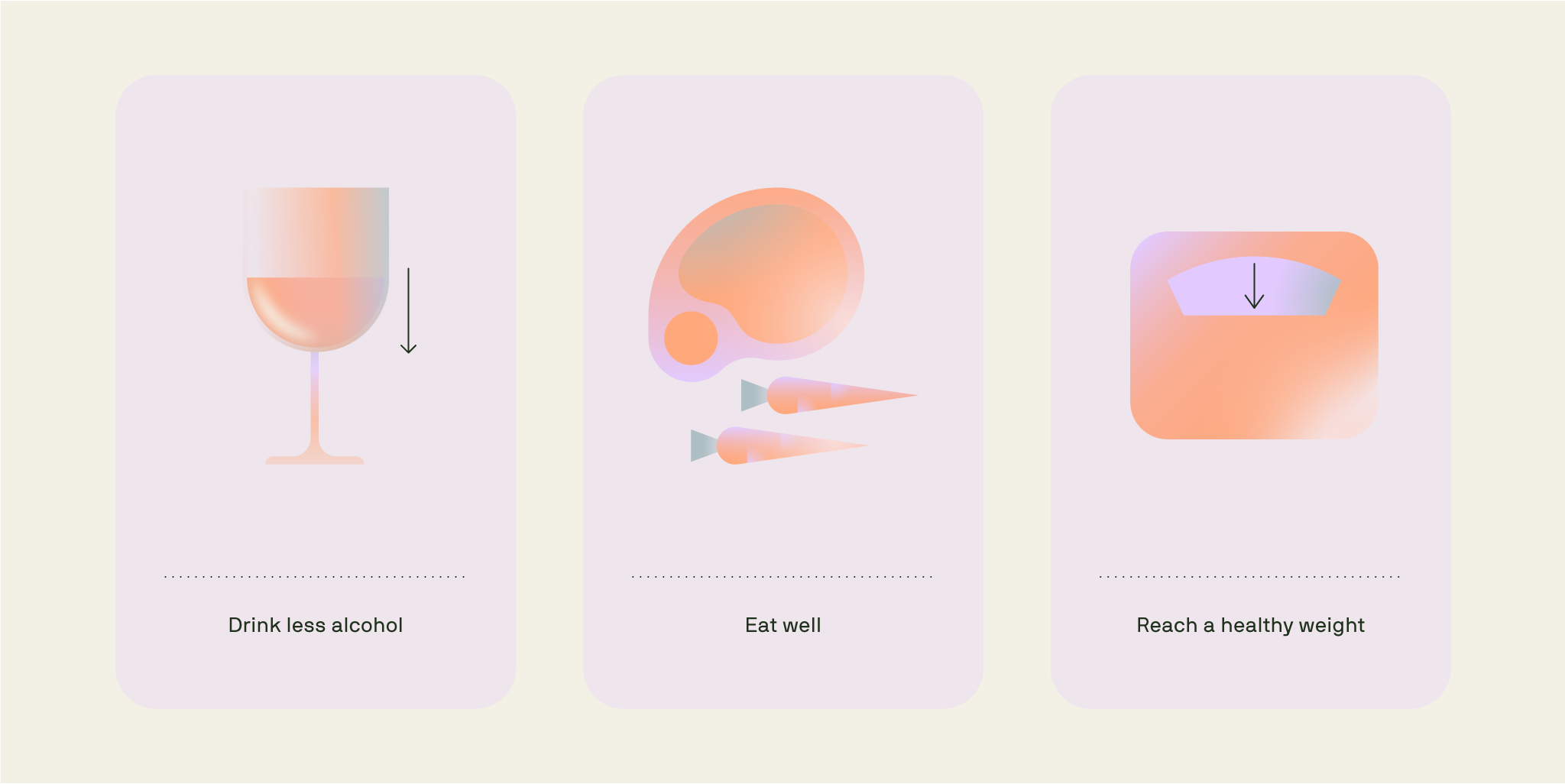
Drink less alcohol
Drinking too much is one of the main causes of pancreatitis. There’s even a name for it: alcoholic pancreatitis. So, cutting back on alcohol can lower your risk.
Though if you’ve already had pancreatitis that was caused by alcohol, you should stop altogether. We recommend avoiding alcohol while using Mounjaro anyway—it can work against your health goals and bring on unwanted effects.
Eat well
The other most common cause of pancreatitis is gallstones, which are small stones that form in your gallbladder. Eating a nutritious, balanced diet can help prevent them from developing.
Here, the advice is to:
- Eat foods high in fibre, including fruits and vegetables, and whole grain foods.
- Because there seems to be a link between having high cholesterol and developing gallstones, you should opt for healthier fats (unsaturated fats, like olive oil) instead of saturated fats like butter or coconut oil.
- Eat fewer foods with refined carbohydrates, such as white bread and pasta.
- Steer clear of foods with added sugars, like cakes and fizzy drinks. Natural sugars in fruit and veg are absolutely fine though—so don’t fear the fruit bowl!
Our team can help you put together a diet plan that works for you as part of our weight loss treatment. Have a look at these meal prep tips for Mounjaro users to help you get started!
Reach a healthy weight
Getting to a healthy weight might also help to prevent gallstones.
As well as following a healthy diet that supports weight loss, it’s recommended that you move your body regularly. Try to do 150 minutes of moderate-intensity movement and two strength sessions per week. Weight loss medication can help here, too.
Follow your provider’s advice
When you start taking Mounjaro, your provider will tell you to take the lowest strength first so that your body can adjust to the medicine. Then, if you’re tolerating it okay, you’ll gradually increase your dose every four weeks. This can reduce your risk of getting side effects.
Side effects support at Voy
"If you're using Voy and you experience any side effects, rest assured that our expert clinicians are just a message or phone call away. They can adjust your dose, prescribe medication to ease your symptoms, or simply offer reassurance.
Everyone responds differently to weight loss treatment and we'll help you find what feels right for you."

When to see your doctor
If you think you might have pancreatitis, you should see your doctor right away. Pancreatitis needs to be treated in a hospital, though most people will start to feel better within a week.
So, if you experience any of the symptoms we mentioned earlier, get in touch with them asap.
You should stop taking Mounjaro if you have pancreatitis. Your provider will confirm this and tell you what you should do next, so make sure you follow their instructions exactly.
Your weight loss journey
We get that it might feel a little overwhelming to learn about the serious side effects of a medicine. But it’s so important to know what signs to look out for, even if the chances of you getting pancreatitis are slim.
Remember: you will only be prescribed Mounjaro injections if the benefits outweigh the risks for you personally. Reaching a healthy weight can reduce your risk of type 2 diabetes and heart disease, give you more energy, help you sleep better, and more.
Find out if you’re eligible for the treatment by taking this short quiz.