

Stars
TrustScore
4.7/5
·
12,175
reviews

Stop Guessing. Test Your Testosterone First

Supplements can't treat what you haven't confirmed. Take the guesswork out of your health and get tested first.

Know your levels before you spend
Improvement starts with a baseline
Results in 2 days, reviewed by specialists

The best way to increase testosterone levels

TRT is the most effective method of improving testosterone levels. The results are life-changing. With our expert medical team, you can get tested, diagnosed, and treated, so you can get back to feeling your best.

90%
of patients reported improvement in symptoms within 3 months

Why supplements don't work

Most men trying to fix low testosterone start with supplements. Here's why they end up here instead.

75% of testosterone supplements have no evidence they work¹
The truth about testosterone supplements

Most over-the-counter boosters show marginal or inconsistent results. They may support general wellbeing, but they are unlikely to restore testosterone to a healthy physiological range, and none are doctor-monitored or prescribed based on your actual levels.

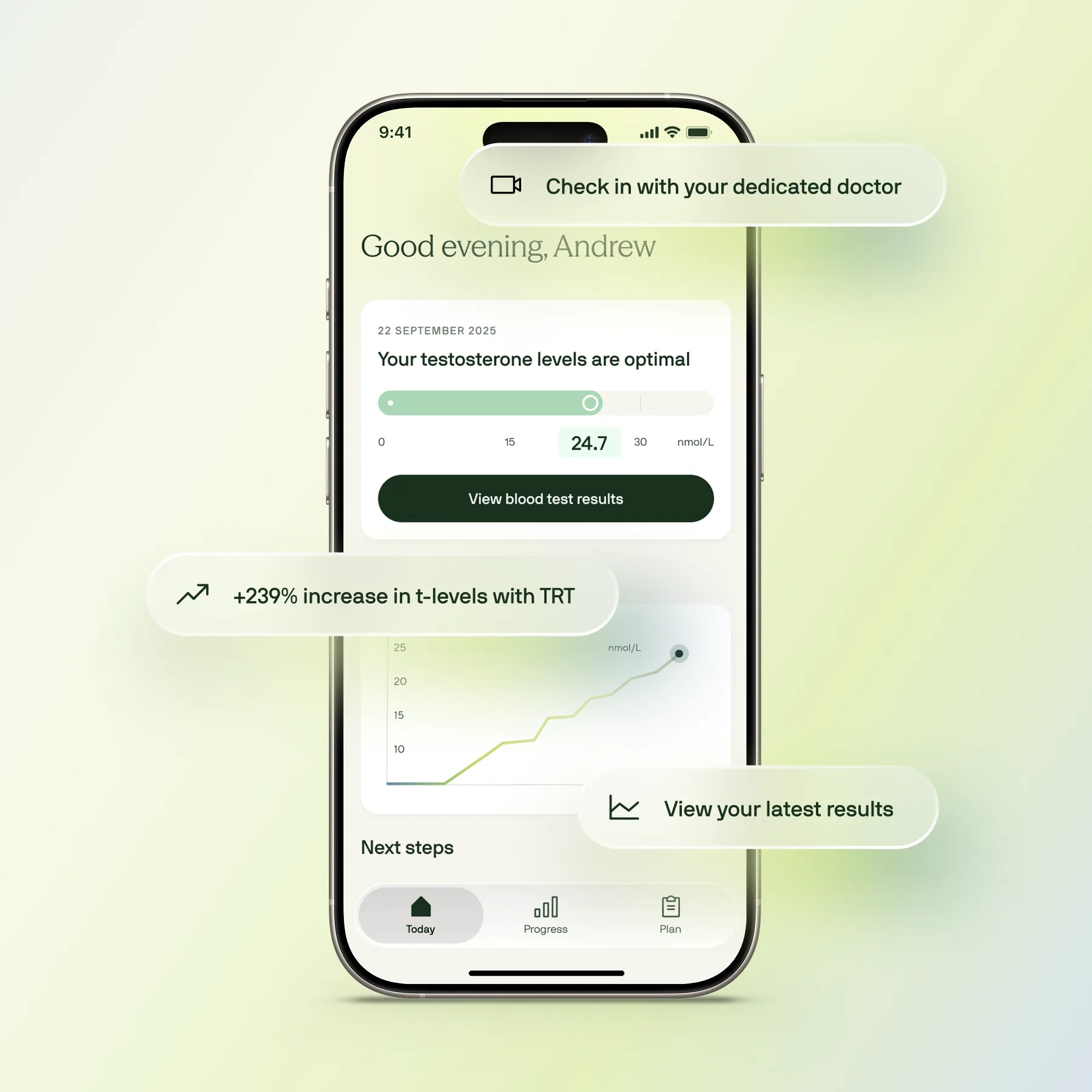
+239% increase in total testosterone over 2 months
TRT doesn't "boost" testosterone. It restores it.

That's why 90% of Voy patients see results within 3 months, where supplements couldn't deliver.

Check your testosterone levels from home

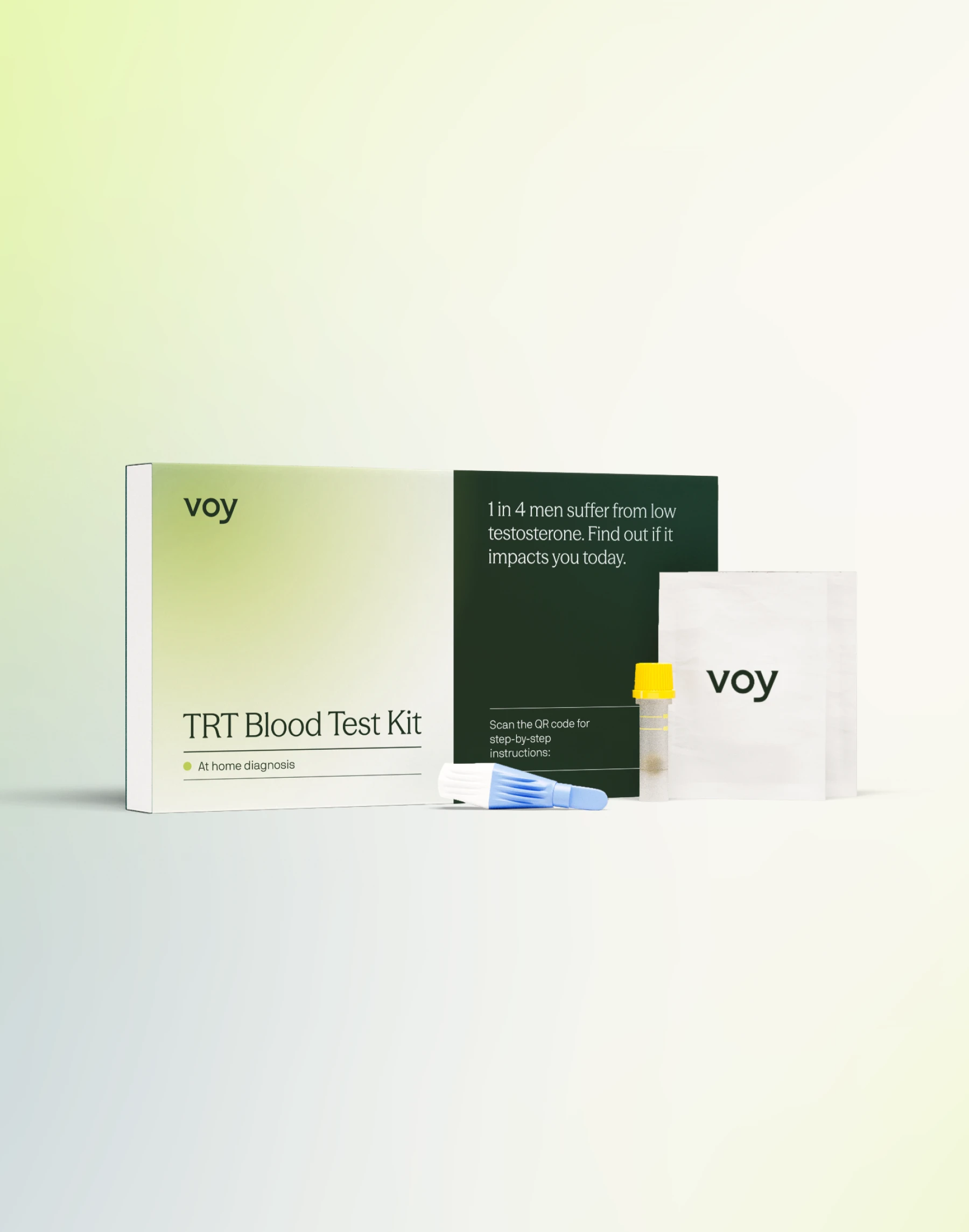
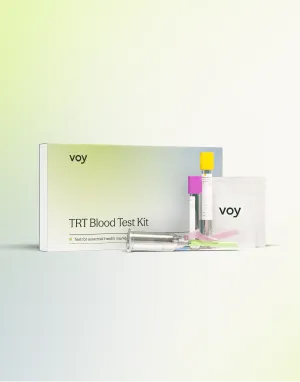
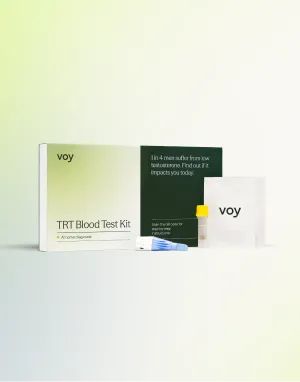
A quick at-home finger-prick blood test provides all we need to accurately determine if you have a testosterone deficiency.
Parcel
Convenient at-home testing
Medical
UKAS-certified laboratories
Flag
Track your results online
4 Biomarkers analysed
Free Testosterone
Testosterone
Albumin
Sex-Hormone Binding Globulin (SHBG)
Save 38% on your first order
£55£33.99
First order discount
1 in 4 men have low testosterone. Find out if you're one of the 90% that remains undiagnosed.
Blood test
bg

A 360° view of your testosterone

Analysing these biomarkers collectively allows our doctors to accurately measure your testosterone levels and their availability for use in the body.


Total TRT
Total testosterone
This is the total amount of testosterone found in the blood. Some of it is attached to proteins, such as Sex-Hormone Binding Globulin.
Free TRT
Free testosterone
This is the testosterone which is not attached to any proteins so it’s free to be used by the body’s cells. The more you have of it, the better.
SHBG
SHBG
This protein regulates hormone levels by binding to sex hormones, including testosterone. When your SHBG levels are high, your body has less free testosterone available.
Protein
Albumin
Another protein produced in the liver which binds to testosterone, inhibiting its ability to be used by the body’s cells.

The first step towards a stronger you

Take the guesswork out of your health. Get tested and move forward with a treatment plan that works for you.

1
Low testosterone diagnosis

Get your T. levels checked with our at-home blood test kit. We’ll arrange further enhanced testing if necessary.

2
Tailored treatment

Your doctor will look at your unique data (your goals, symptoms, medical history, etc.) to find the right approach.

3
Ongoing clinical care

We do blood tests every 3-6 months with full doctor report & consultation, to ensure you hit your goals!

The health issue
men don’t talk about

Jeff
Dr. Jeff Foster, Director Men's Health
Prevalence

1 in 4 men have low testosterone levels.¹

Not all men with low testosterone levels will require treatment. This is assessed by a doctor and based upon symptoms and other medical factors.

“Knowing what your testosterone levels are is really important.”

Dr Jeff Foster, Director of Men’s Health
Play

Could it be you?

The following symptoms could be a sign of low testosterone. We recommend you get tested to find out for sure.
  • Low sex drive
  • Low energy
  • Erectile dysfunction
  • Lack of focus
  • Depression
  • Weight gain
  • Low muscle mass
  • Fatigue
  • ¹ Araujo, Andre B et al. “Prevalence of symptomatic androgen deficiency in men.” The Journal of clinical endocrinology and metabolism vol. 92,11 (2007): 4241-7. doi:10.1210/jc.2007-1245
gradient

TRT vs supplements

Voy
Supplements
Clinically proven
Extensive
Limited
Fixes deficiency
Average testosterone increase
+239%
Marginal
Doctor-monitored
Regulated
Based on your actual blood results
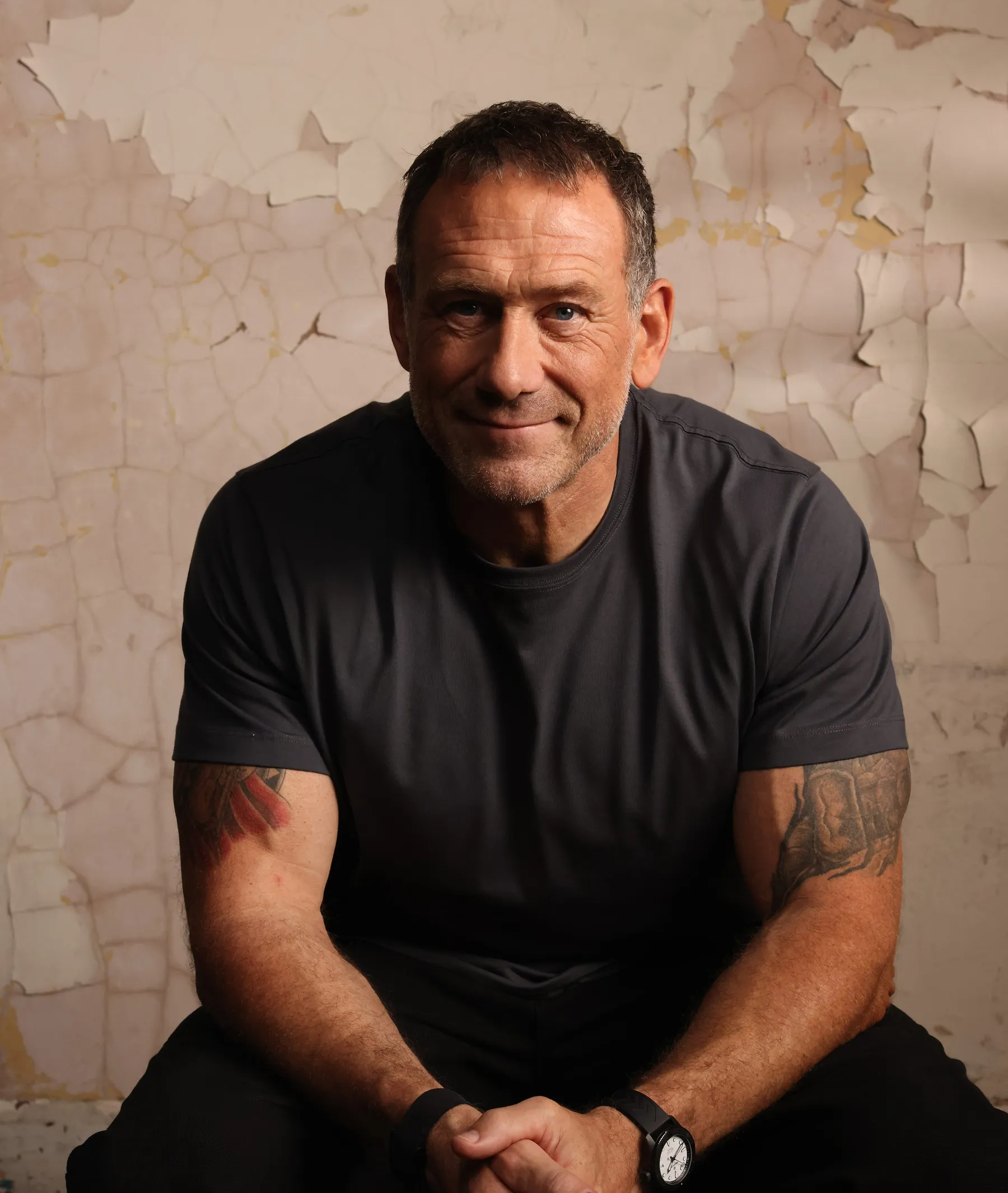
"We all want to feel 10 years younger, but that's not going to happen without healthy testosterone levels. Take a test and see where you stand."
Jason Fox, 49 years old
Men's health advocate
TV personality
Voy partner

Jason Fox's go-to health check

How testing works

Take the blood test
Take our quick at-home finger-prick test before 11am, when T-levels are at their highest, to determine if you have low testosterone.
Post your sample
Simply place your sample in the secure packaging provided and send it to our UKAS-certified lab where your blood will be analysed.
Review your results
Access invaluable health data online in just a few days. Our experts will review your results and give you clear actionable advice.

Voy is transforming lives

Caret
Caret
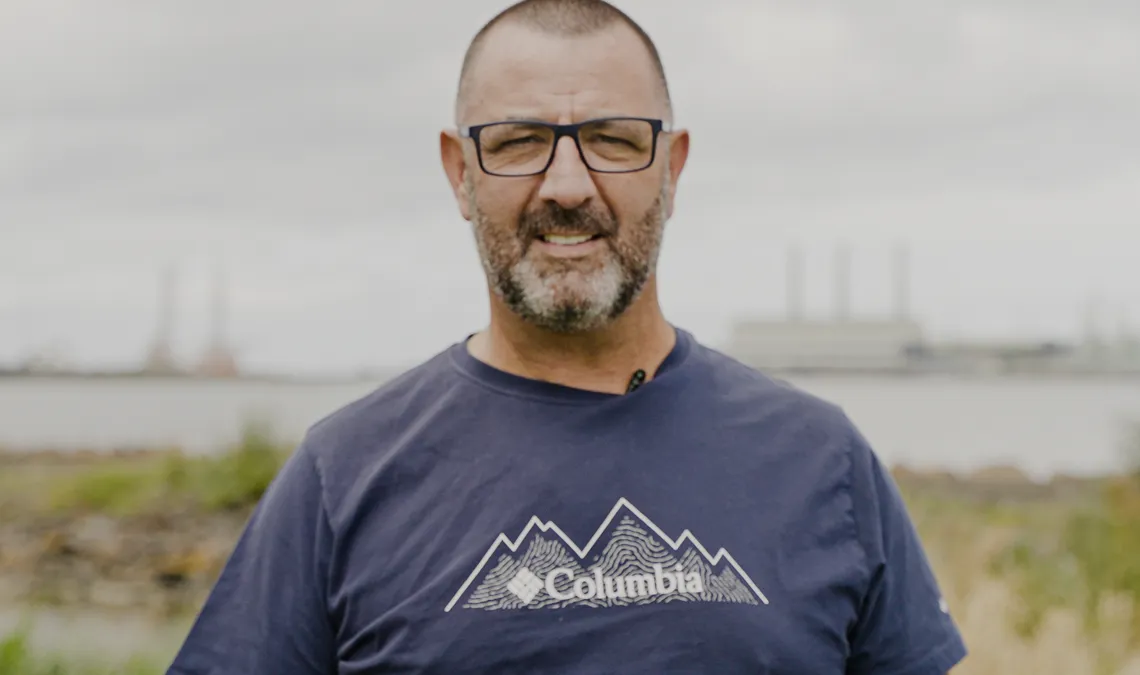
145%
increase in Total Testosterone

"The whole journey has been life changing. I feel better within myself, and I know that people around me are starting to benefit from that — it’s been a big game changer."

Play
127%
increase in Total Testosterone

"I have more life about me, I feel younger, I feel happier, I feel better — it’s now enabled me to focus on different spheres of my life"

Play
118%
increase in Total Testosterone

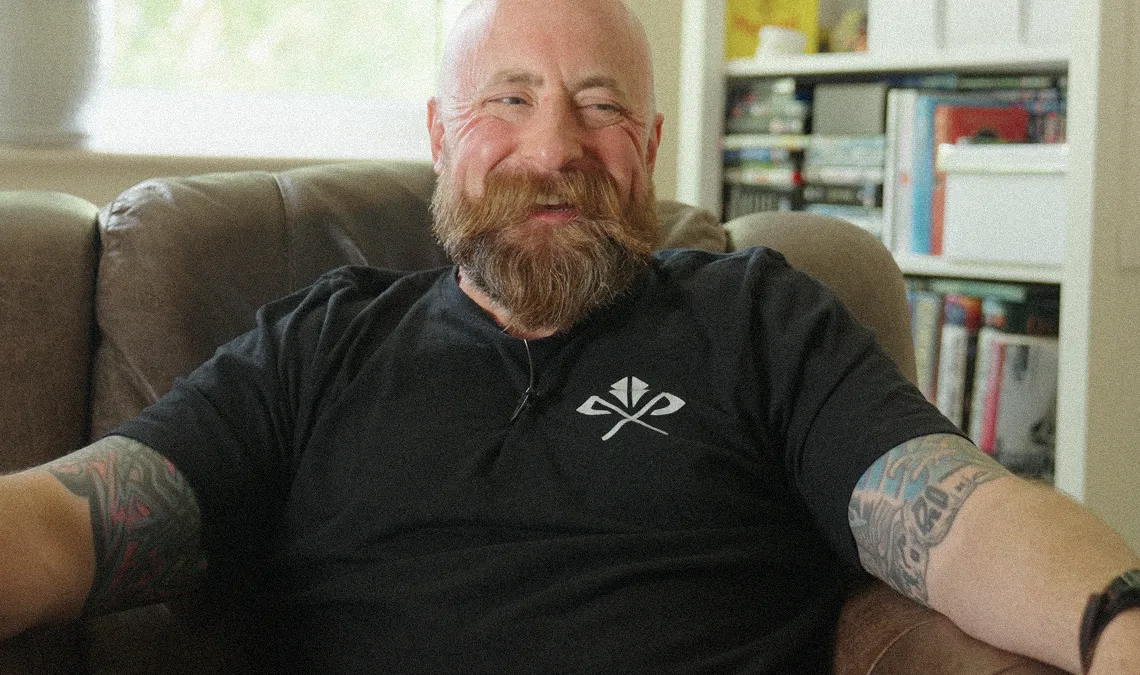
"Since being on TRT my boss has seen such a difference in me — my energy levels are where they should be, and I’m back to being me, it’s fantastic"

Play

Testosterone Replacement Therapy

Jeff
Curated by Dr. Jeff Foster, Testosterone Medical Expert
What is Testosterone Deficiency (TD)?

Low testosterone is a common condition that men can be born with or develop due to age, stress, disease, physical trauma, an unhealthy lifestyle or environmental factors.

What are the key symptoms of TD?

Men with low testosterone often report low mood, irritability, fatigue, anxiety, reduced libido or difficulty achieving an erection. Other common symptoms include brain fog, lack of motivation, low confidence, difficulty losing weight and difficulty gaining muscle. These symptoms may also be caused by stress, diet, sleep apnoea or other medical conditions. Our blood test helps rule out hormones so you can find the root cause.

How do you test for TD?

Blood testing is the only way to know for sure if you have a testosterone deficiency. Our Initial Testosterone Blood Test (a simple finger-prick test) can be taken at home. If the results show that you have low testosterone and you’d like to start testosterone replacement therapy, medical guidelines require you to take a second, more comprehensive blood test first to confirm your testosterone level is persistently low and to get a baseline measure of your core health before you start TRT. This one is a venous test which has to be administered by a nurse or phlebotomist.

How common is TD?

Research has confirmed that testosterone counts in men are significantly lower than they were just a few decades ago. One in four men over the age of 30 may have abnormally low testosterone levels according to scientific studies.1
Around the age of 30 testosterone levels naturally begin to decline, but it’s usually a very gradual process. For most men, testosterone levels drop between one to two percent each year from the age of 35. Free testosterone levels also drop considerably as men age, making TD even more common. An increase in obesity, hormone-disrupting environmental chemicals, and anabolic steroid use is also making testosterone deficiency in younger men more prevalent than ever.
*Travison, Thomas G et al. “A population-level decline in serum testosterone levels in American men.” The Journal of clinical endocrinology and metabolism vol. 92,1 (2007): 196-202. doi:10.1210/jc.2006-1375

Will I be able to talk to a licensed doctor?

Yes, you’ll have a consultation with one of our doctors to discuss your test results and they can provide a personalised treatment plan tailored to your needs. Our doctors specialise in TRT for men and are all registered with the General Medical Council.

How do these blood tests lead to treatment?

Our initial blood test will establish whether you have a testosterone deficiency. If the first test shows that you have low testosterone you’ll need to take our second, more comprehensive blood test if you’d like to start TRT - this is to confirm you do indeed have persistently low testosterone and to get a baseline measure of your core health before you start TRT.

How soon will the test arrive?

Our blood test kits usually arrive within three working days. It may take longer over public holidays.

When will I get my results?

We’ll get in touch to give you your results within two to three business days.
Blood test
Check your levels
Check your levels
£33.99
close